


There’s a reason you feel all warm and fuzzy when you see a Blockbuster logo or hear that classic AOL “you’ve got mail” notification. It‘s become one of marketing’s go-to emotions—a shortcut to trust and instant recognition: nostalgia.
And brands are betting on it. From retro Pepsi cans to Spotify Wrapped, today’s marketers understand that even though we’re obsessed with newness, it’s the past that makes us feel safe. This isn’t just for legacy brands with global recognition. Small businesses can use nostalgia, too—through a local tradition, a familiar product, an old storefront photo, or a customer memory that already belongs to the community. But why does it work so well?
“Nostalgia hits hard because it reconnects us with the moments that shaped us,” says Willem Haen, Brand Consultant. “A brand doesn’t have to be perfect—it just has to have been there when great memories were made.”
In this article, I’ll walk through why nostalgia marketing works so well and how businesses of all sizes can harness it to build connections with customers.
Contents
Why nostalgia marketing works
Before nostalgia is turned into your favorite marketing strategy, it’s just a basic chemical reaction. Neuroscience, culture, and connection all play their parts—and together, they explain why our brains (and hearts) keep leaning back in time.
1. Familiarity feels safe for our brains
When we recognize something from our past (a logo, a melody, or a color palette), our brain fires up its reward system. That sweet hit of dopamine is small but powerful. It’s the same thing that makes us feel good when we hear an old song or smell something that reminds us of home. Recognition is comfort, and comfort is safety.
Why it matters for marketers
That quick flash of recognition is what makes nostalgia so effective in communication. When something feels familiar, people instinctively drop their guard and start listening with emotion rather than skepticism. It’s human. This means that nostalgic cues in marketing visuals or ads can make you appear more reliable and emotionally genuine—especially when consumers face choice overload.
“Nostalgia in marketing works because it taps into the brain’s efficiency bias,” said Goran Mirkovic, Head of Content at Multiplier. “Familiarity lowers cognitive load, which means people don’t have to analyze what they’re seeing; they just feel it. That’s why a brand like LEGO can bring back a 90s set and instantly spark joy. The memory does the work. You’re not asking people to notice your message; you’re inviting them to recognize themselves in it.”
🧠 Speaking of marketing for our brains…Get our free guide >> 26 Brilliant Ways to Use Psychology in Your Copywriting (with Examples)
2. It’s comforting
Every era has its escape. In the 2020s, with pandemics, conflicts, and unrelenting AI slop, it’s the past. We’re all desperate for simpler times. Not necessarily “better” times, but ones that feel easier to understand.
Nostalgia is comfort. When an ad hints at something we already know, it lowers friction and allows emotion to take the lead. That’s why older aesthetics like film grain, analog textures, and classic typography are everywhere (again). They act as emotional probes, telling our brains that “you’ve seen this before, it’s okay to relax.”
Why it matters for marketers
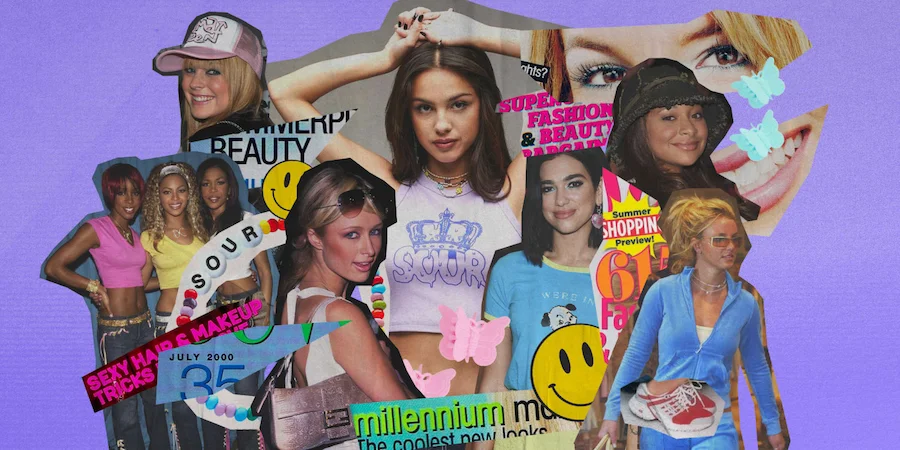
It’s the same psychological lever that drives recent trends like the Y2K revival or lo-fi filters on social media. People aren’t just consuming aesthetics—they’re looking for calm. Nostalgia marketing performs best in times of turbulence because it creates positive feelings that can (when done right) transfer to the brand itself.
3. It helps us connect with others
Nostalgia doesn’t just make us happy. It helps us belong. Remembering shared experiences—even ones we didn’t live through—creates instant connection. It’s why people comment “aww, childhood!” under old commercials or tag their friends in retro memes.
Why it matters for marketers
It’s a social emotion, not just a trip down memory lane. When people feel lonely or disconnected, nostalgia can help restore a sense of belonging by reactivating memories of meaningful relationships and shared joy. That’s why nostalgia-based campaigns often feel communal: they remind people of who they were with, not just who they were.
“Nostalgia creates emotional closeness,” says Barbara Houdayer, Head of Marketing at Caplena. “It gives people a sense of continuity—of belonging to something bigger than the present moment. That’s why nostalgia-led campaigns work. They don’t just remind us of a product, they remind us of the relationships and stories attached to it.”
When nostalgia works in marketing (and when it doesn’t)
Not every throwback lands. The difference between nostalgia that charms and nostalgia that cringes comes down to fit, freshness, and feeling. Here’s how to tell whether your idea will land or flop.
| Fit | Does the reference make sense for your product or audience? A Gen Z skincare brand using 90s sitcom jokes could fall flat if no one watched Friends. Nostalgia only works when the memory is shared. |
| Freshness | Nostalgia can’t be a museum piece either. It has to feel reborn. Think about Nike’s Air Max revivals or LEGO’s adult collections. These are modern reinventions of old love. They’re evolutions. |
| Feeling | If the sentiment isn’t genuine, people can tell. A campaign built on cheap sentimentality feels manipulative. The emotional core should connect to the brand’s truth—not just the timeline it borrows from. |
What this looks like in action
👍 Pepsi’s Retro Cans
For Pepsi’s 125-year celebration, the brand relaunched its old can designs with new colors and a clean typography. It balanced heritage with modern energy, reminding consumers where the brand came from while still looking fresh. It felt authentic because it had history as well as purpose.
👎 Coca-Cola’s “New Coke” Revival
When Coca-Cola brought back “New Coke” during a Stranger Things collaboration, it leaned too hard on irony (New Coke was arguably a flop back then, too). The nostalgia was clever but hollow, and reminded people of the brand’s worst decision, not their fondest memories.
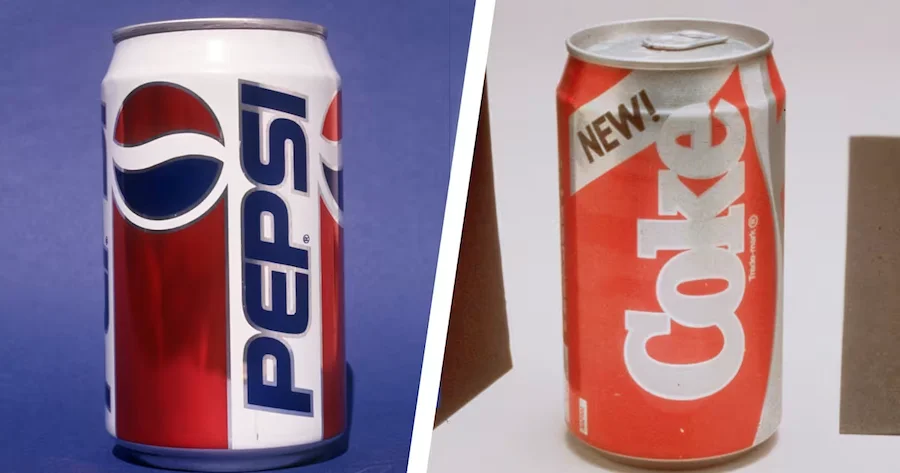
The lesson here: Nostalgia only works when it honors emotion, not embarrassment.
The nostalgia marketing playbook
Understanding nostalgia is one thing. Using it without looking desperate is another. Let’s talk about how you can do nostalgia marketing right—authentic, relevant, and creative.
Step 1: Start with emotion instead of era
Don’t start with the decade. Start with the feeling.
- What emotion do we want to reawaken?
- Is it safety? Wonder? Rebellion? That’s your anchor.
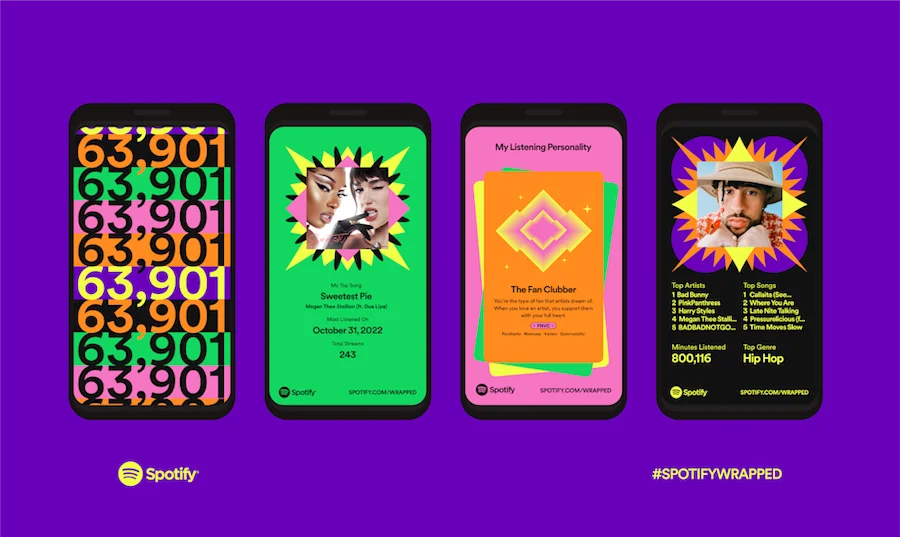
The most successful nostalgia campaigns don’t sell time periods. They sell feelings. LEGO’s “Mindfulness” campaign isn’t about 1980s bricks; it’s about rediscovering childhood joy in a grown-up setting. And Spotify Wrapped isn’t old at all—it just uses the same psychology as a yearbook: personal reflection, shared moments, and inside jokes.
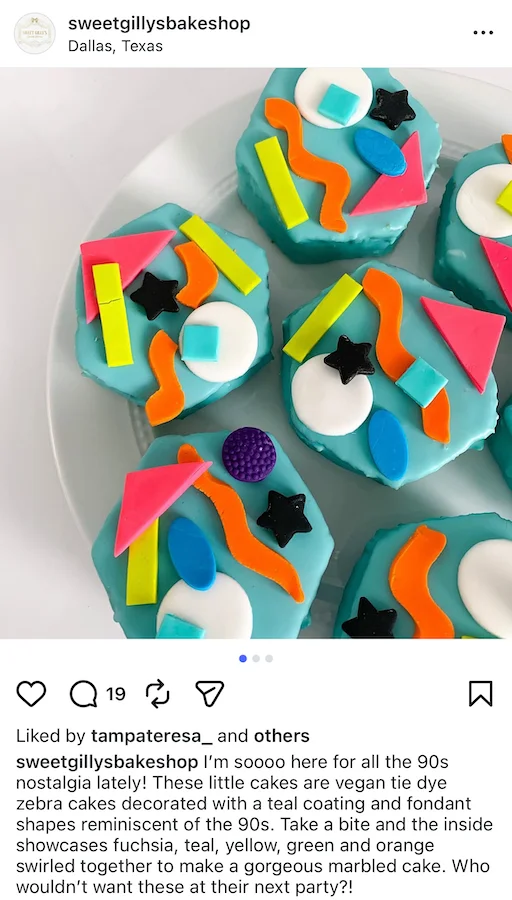
For smaller businesses, this could be as simple as bringing back a seasonal special, reviving an old packaging style, or building a campaign around a memory your customers already share. A bakery might bring back a childhood pastry (like in the example below). A gym might run a 90s-themed class. A neighborhood shop might post old photos of the street it grew up on. The format can be small as long as the feeling is real.
📚 Free guide download >> 135 of the Best Words & Phrases for Marketing with Emotion
Step 2: Filter it through fit, freshness, and feeling
Every nostalgic idea should pass the same three-filter test from earlier. Fit the audience, refresh the form, and protect the feeling.
AI throwbacks and template-made Y2K filters might look nostalgic, but they rarely feel it. Aesthetic nostalgia without emotional truth is nothing but decoration. The magic happens when the reference still connects to your brand’s present reality.
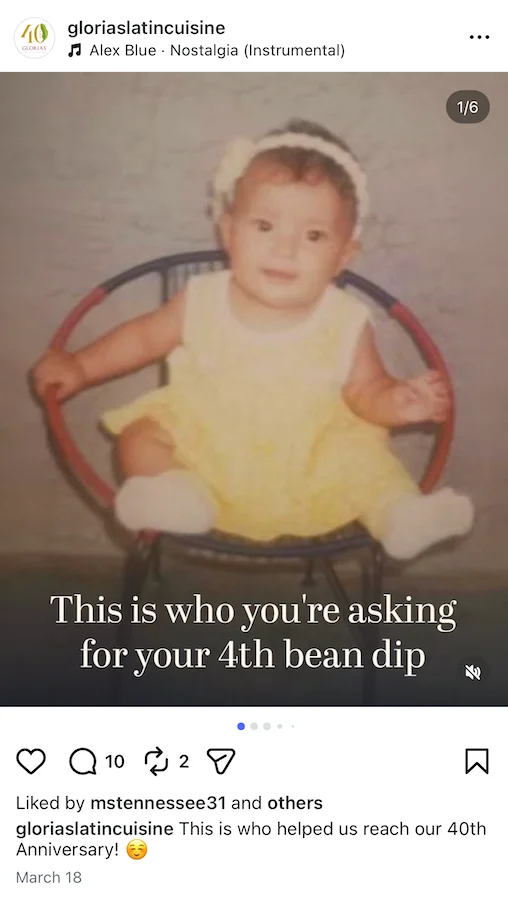
A recent trend showed brands sharing baby pictures of their employees with the caption “This is who…” and then something related to their current role.
This local restaurant jumped on the trend for their 40th anniversary with captions like “This is who’s making your favorite margarita,” “This is who gives you the best menu recs,” and more. This humanizes the business and its employees while building a real emotional connection with their restaurant patrons and relying on the nostalgia of seeing their favorite employees’ cute childhood photos.
Step 3: Remix, don’t rewind
Nostalgia works best when it evolves. It shouldn’t look like you’re trying to press rewind on the past—it should feel like you’re remixing it for today.
Brands today are learning that nostalgia marketing is all about letting old cues meet new formats. Think of Barbie’s 2023 campaign—not a return to pink plastic innocence, but a reclamation of it through irony, empowerment, and cinematic excellence. That balance between memory and reinvention made it feel fresh instead of dusty.
When a brand borrows nostalgia, it borrows memory equity. To keep it relevant, it has to add new value—updated visuals, humor that fits the current moment, or storytelling that mirrors the way people consume media now. A smart way to approach this is to treat nostalgia like a color in your palette, not the entire painting. It adds warmth, but your audience still needs to see who you are today.
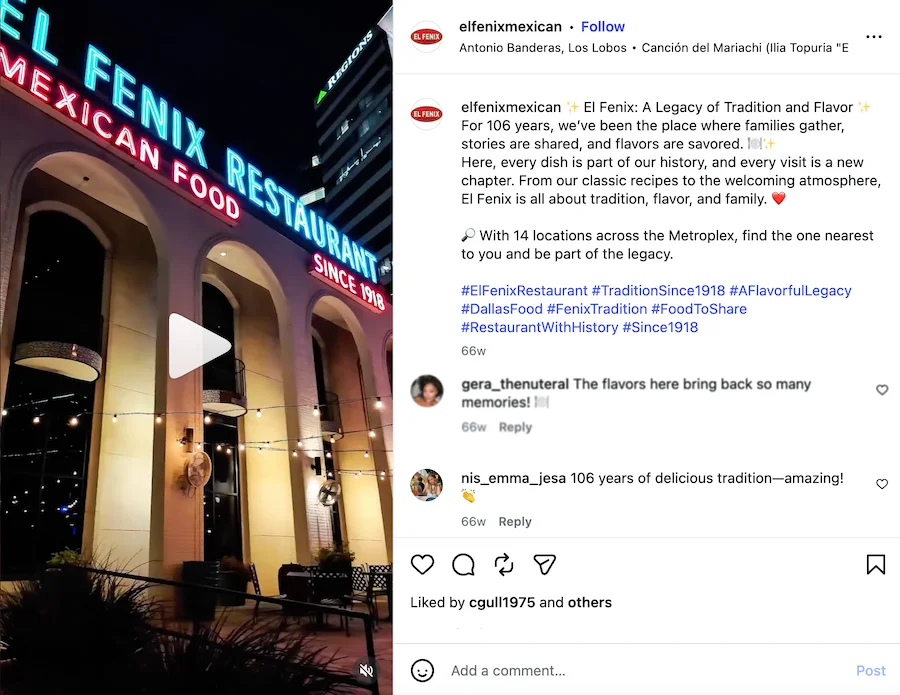
This restaurant shared a video featuring some of its past history with new additions to highlight its 106 years in business.
Step 4: Keep it authentic (and test it)
Every successful nostalgia campaign has one thing in common: truth.
When nostalgia feels fake, it dies fast. The most effective examples tie the emotion back to something the brand genuinely represents—a shared value, a product lineage, or a customer memory that actually exists.
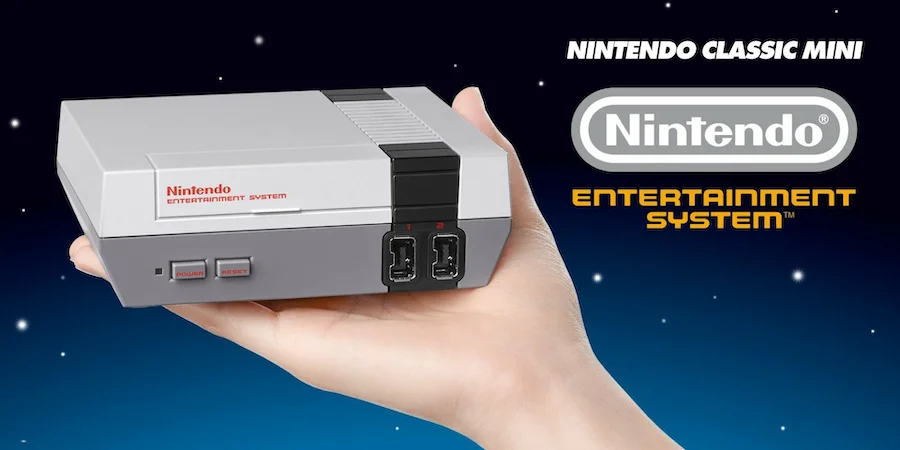
That’s why brands like Nintendo can lean on their past without sounding forced. They have credibility because they’ve been there. But even if your brand doesn’t have decades of history, you can still use nostalgia authentically. Borrow emotions, not logos. Tap into cultural moments your audience relates to—like growing up online, learning through YouTube, or the feeling of discovering new music before algorithms did it for you.
This is where small businesses often have an advantage. You may not have decades of national brand equity, but you do have proximity. You know the customers, the neighborhood, the local references, and the small rituals that bigger brands can only imitate. Use that.
Before launching a nostalgia-driven concept, though, test how it lands.
- Does it create joy, or does it remind people of something they’d rather forget?
- Does this memory feel shared or exclusive?
Step 5: Let people participate
The most powerful nostalgia doesn’t just remind people of the past—it lets them relive it. Brands can do this by turning nostalgic cues into interactive experiences: playlists, filters, visual prompts, or community-driven campaigns that invite people to share their own stories.
The reason Spotify Wrapped works so well (every year) is simple: it turns reflection into social currency. It’s a mirror that lets people broadcast their own story. The same is true for user-generated nostalgia campaigns. When people share their memories, they extend your brand’s reach organically—and with far more authenticity than an ad ever could.
“Nostalgia doesn’t have to be grand to work. As long as it’s shared, it can hide in the smallest details,” said Janine Bosshart, Team Lead Brand & Marketing at grape insurance. “That’s what nostalgia does when it’s done right, for the right audience; tying meaning, memory, and brand together in a way that just feels real.”
Step 6: Make it local
Big brands use nostalgia to tap into cultural memory. SMBs can use it to tap into community memory. That might mean sharing an old photo of your storefront, bringing back a discontinued menu item, referencing a local event people still talk about, or asking longtime customers to share their favorite memory with your business.
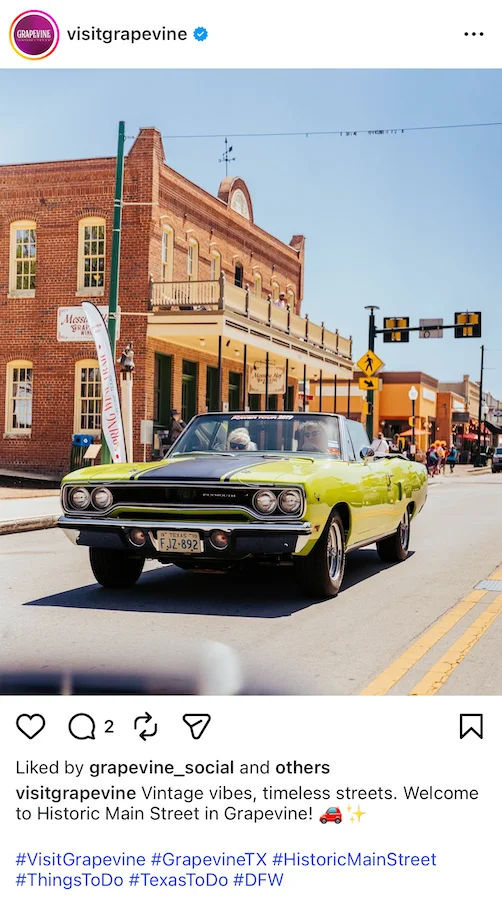
The key is specificity. “Remember the 90s?” is broad. “Remember when this block had three record shops, and our lunch special was $5?” feels personal. For small businesses, nostalgia works best when it reminds people that your brand has been part of their real lives—not just their feeds.
Remember: The past is a tool, not a template
Nostalgia is powerful because it reconnects emotion, memory, and meaning. That’s three things algorithms can’t fake. But it’s not about living in the past—it’s about using the past to make the present feel warmer, safer, and more human. So if your new brand campaign looks like it’s from the 90s, make sure it doesn’t think like it too. Because the past only sells well when it helps people believe in the future.
