

Summary
- The Optocam Zero is a pocket Raspberry Pi Zero camera with off-the-shelf parts and 3D-printed shell
- It features utofocus, eight filters, Wi-Fi hotspot, USB-C charging, and an interchangeable 14500 battery
- The tech specs include 2592×2592 JPEG photos, 240×240 1.4″ LCD, 15-20 fps preview, and ~70-80 min per charge.
It has been a good last few weeks for people who like to build their own cameras. Back in late March, we checked out an open-source Raspberry Pi camera that looked like it came out of an 80s sci-fi movie, complete with different filters you can choose from. And while that was an amazing project, you can never have enough DIY cameras.
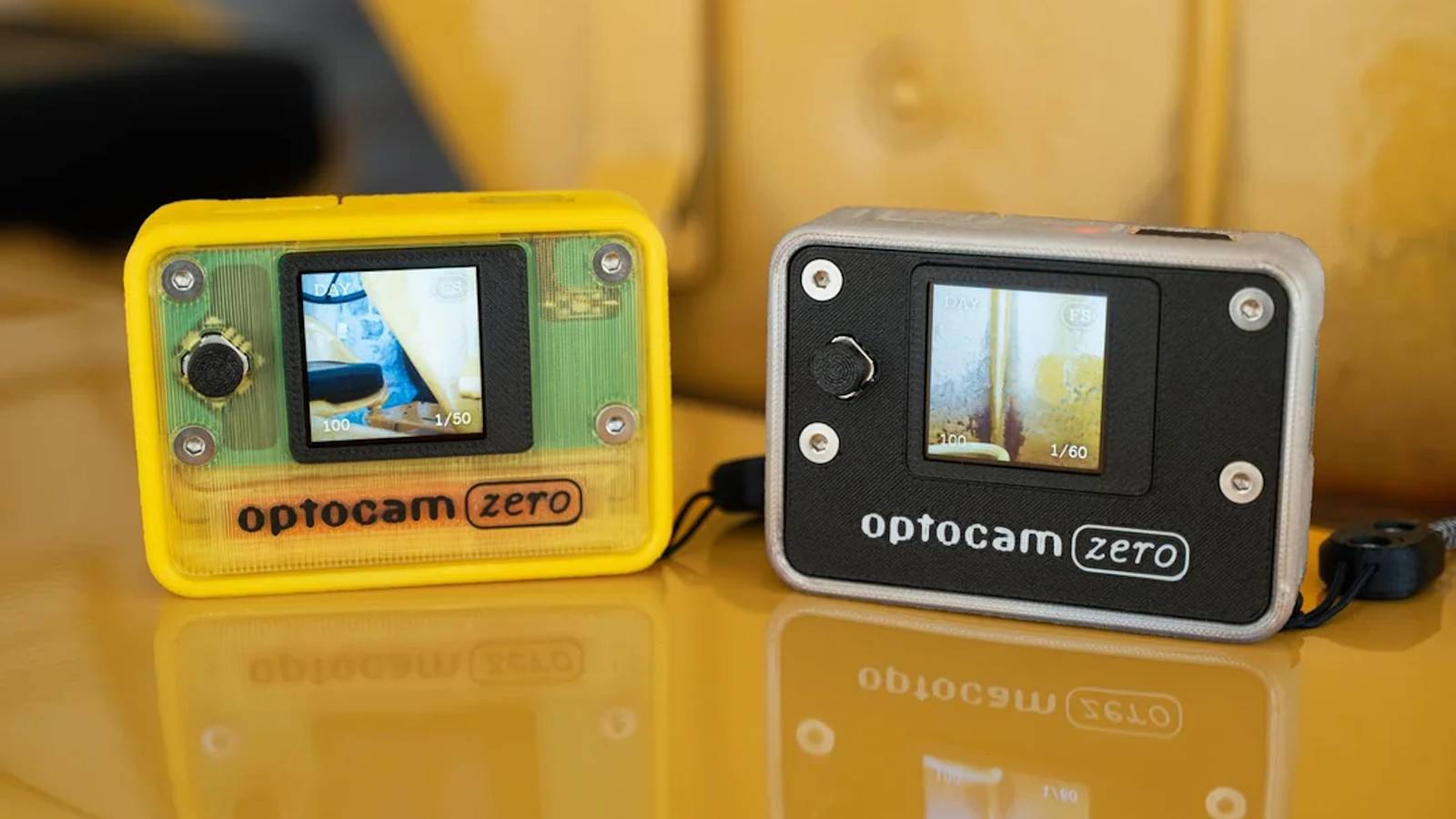
Enter the Optocam Zero, a camera that runs off a Raspberry Pi Zero and can fit into your pocket with ease. However, don’t underestimate it just because it’s small; within that shell is a pretty mighty little camera that should be a joy to build and use.

This 3D-printed privacy-first security camera uses a Pi Zero 2 under the hood
You can make your own at home, too.
You, too, can build an Optocam Zero at home
It uses off-the-shelf components and a 3D printer
Redditor dkumkum has been busy showing off their Optocam Zero project over on the Raspberry Pi and toy camera subreddits. The main draw for the Optocam Zero is that you can purchase all the bits you need from stores, and the shell is 3D printed. As such, if you’re in the mood to build something cool, you could do a lot worse than making this cute little piece.
The camera features autofocus, eight built-in filters, a Wi-Fi hotspot for transferring photos, and USB-C charging with an interchangeable battery. And if you want all the technical specifications for this awesome little project, here they are:
– 2592x2592px Jpeg image capture. Image saves in the background while preview stays active.
– 240x240px 1.4 inch lcd display.
– Consistent 15–20 fps camera preview on the screen.
– 22 seconds boot time.
– Uses 14500 type li-ion battery.
– 70–80 minutes of use per charge.
– Dimensions: 51×71×18mm (excluding camera and screen bump)
If you want to make your own (and I certainly don’t blame you), head over to the Optocam Zero GitHub project page for the full setup instructions, 3D printing files, and a complete bill of materials you can use as a shopping list the next time you’re at a component store.
