
Close Menu
    Facebook X (Twitter) Instagram
    Wifi PortalWifi Portal
    • Blogging
    • SEO & Digital Marketing
    • WiFi / Internet & Networking
    • Cybersecurity
    • Tech Tools & Mobile / Apps
    • Privacy & Online Earning
    Facebook X (Twitter) Instagram
    Wifi PortalWifi Portal
    Home»Cybersecurity»PureLogs infostealer is stealing credentials worldwide
    Cybersecurity

    PureLogs infostealer is stealing credentials worldwide

    adminBy adminMay 19, 2026No Comments3 Mins Read
    Facebook Twitter LinkedIn Telegram Pinterest Tumblr Reddit WhatsApp Email
    PureLogs infostealer is stealing credentials worldwide
    Share
    Facebook Twitter LinkedIn Pinterest Email

    A phishing campaign is smuggling the powerful PureLogs information stealer onto targets’ Windows machines by hiding encrypted malicious payloads inside cat photos, Fortinet researchers discovered.

    The attack

    The attack starts with a phishing email containing a TXZ archive and using an invoice-themed lure to pressure the victim into opening it quickly:
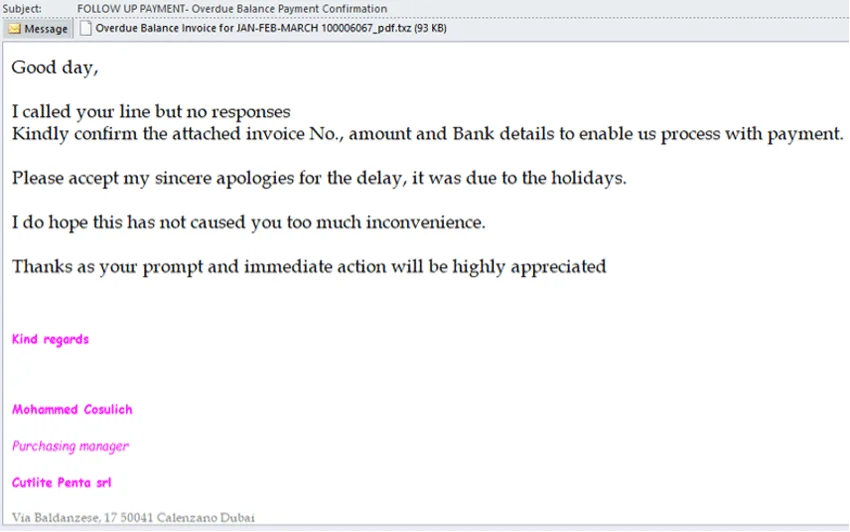
    PureLogs infostealer steganography

    The phishing email carrying the malicious TXZ archive (Source: Fortinet)

    The extracted JavaScript stores malicious commands in process environment variables (which are also filled with garbled text and multilingual comments as obfuscation), then launches a hidden PowerShell session to decode, decrypt, and decompress a .NET assembly loader dubbed PawsRunner.

    PawsRunner decrypts a download URL using RC4, then tries multiple network APIs to fetch a PNG image. (In a previous campaign flagged by Swiss Post Cybersecurity, the PNG image was retrieved from archive.org.)

    It then extracts an encrypted payload hidden withing the image (PNG) file using steganography markers, and bypasses Event Tracing for Windows and Windows 11 security features.

    A prodigious infostealer

    The final malicious payload is the PureLogs infostealer, which profiles the victim’s system environment and harvests credentials, cookies and session tokens from:

    • An extensive list of popular and lesser known web browsers used around the world
    • Over 100 crypto wallet extensions and desktop wallets
    • Communication apps (Discord, Telegram, Signal, etc.)
    • Password managers (Bitwarden, LastPass, 1Password, etc.)
    • Authenticators (via browser extensions)
    • Other software like Steam, OpenVPN, PhontanVPN, Ngrok, OBS Studio, FileZilla, WinSCP, FoxMail, MailBird, MailMaster, and Outlook.

    The stolen data is AES-encrypted and exfiltrated.

    “This version of PureLogs uses extensive async/await patterns to improve task efficiency and complicate analysis. Additionally, it uses HTTPS for its Command and Control (C2) communications,” the researchers added.

    The stolen data can be used for financial theft or sold on criminal markets, potentially enabling follow-on attacks against victims’ employers, banks, or contacts.

    Steganography on the rise

    The shift toward hiding payloads inside image files represents a deliberate effort to blend malicious activity into normal-looking network traffic: A PNG file fetched over HTTPS, from what might appear to be a legitimate host, raises far fewer alarms than a direct download of an executable.

    According to Fortinet, the technique is increasingly used by attackers.

    Users are advised to treat unexpected emails and attachments as suspicious regardless of how urgent or routine they look, and to be wary of opening files in unusual file formats.

    Organizations can do more: they can train employees on how to detect invoice-themed lures, block uncommon archive formats at the email gateway, monitor for unusual PowerShell behavior, restrict JavaScript execution from email attachments, and deploy endpoint detection that covers in-memory execution.

    Subscribe to our breaking news e-mail alert to never miss out on the latest breaches, vulnerabilities and cybersecurity threats. Subscribe here!

    Credentials Infostealer PureLogs stealing worldwide
    Share. Facebook Twitter Pinterest LinkedIn Tumblr Telegram Email
    Previous ArticleGoogle publishes guide to optimizing for generative AI search
    Next Article Google Search Universal Cart, expands UCP and AP2
    admin
    • Website

    Related Posts

    Encryption Consulting launches CertSecure Manager v3.3 with zero-touch certificate renewals

    May 20, 2026

    GitHub confirms breach of 3,800 repos via malicious VSCode extension

    May 20, 2026

    Grafana GitHub Breach Exposes Source Code via TanStack npm Attack

    May 20, 2026
    Add A Comment
    Leave A Reply Cancel Reply

    Search Blog
    About
    About

    At WifiPortal.tech, we share simple, easy-to-follow guides on cybersecurity, online privacy, and digital opportunities. Our goal is to help everyday users browse safely, protect personal data, and explore smart ways to earn online. Whether you’re new to the digital world or looking to strengthen your online knowledge, our content is here to keep you informed and secure.

    Trending Blogs

    Google adds llms.txt check to Chrome Lighthouse

    May 20, 2026

    Riverbed expands autonomous AI capabilities for Aternity platform

    May 20, 2026

    What’s New in WordPress 7.0? (Features & Screenshots)

    May 20, 2026

    How Denis Yurchak Built Yadaphone to $17,500 a Month and 20,000 Users in Just Over a Year After the Skype Shut Down

    May 20, 2026
    Categories
    • Blogging (82)
    • Cybersecurity (1,955)
    • Privacy & Online Earning (223)
    • SEO & Digital Marketing (1,208)
    • Tech Tools & Mobile / Apps (1,796)
    • WiFi / Internet & Networking (305)

    Subscribe to Updates

    Stay updated with the latest tips on cybersecurity, online privacy, and digital opportunities straight to your inbox.

    WifiPortal.tech is a blogging platform focused on cybersecurity, online privacy, and digital opportunities. We share easy-to-follow guides, tips, and resources to help you stay safe online and explore new ways of working in the digital world.

    Our Picks

    Google adds llms.txt check to Chrome Lighthouse

    May 20, 2026

    Riverbed expands autonomous AI capabilities for Aternity platform

    May 20, 2026

    What’s New in WordPress 7.0? (Features & Screenshots)

    May 20, 2026
    Most Popular
    • Google adds llms.txt check to Chrome Lighthouse
    • Riverbed expands autonomous AI capabilities for Aternity platform
    • What’s New in WordPress 7.0? (Features & Screenshots)
    • How Denis Yurchak Built Yadaphone to $17,500 a Month and 20,000 Users in Just Over a Year After the Skype Shut Down
    • How to do SEO for beginners
    • Google Introduces New Ad Formats In AI Mode
    • AI reshapes cybersecurity workforce priorities as IT teams brace for new risks
    • How to stand out in AI search when every business sounds the same
    © 2026 WifiPortal.tech. Designed by WifiPortal.tech.
    • Home
    • About Us
    • Contact Us
    • Privacy Policy
    • Terms and Conditions
    • Disclaimer

    Type above and press Enter to search. Press Esc to cancel.