
Close Menu
    Facebook X (Twitter) Instagram
    Wifi PortalWifi Portal
    • Blogging
    • SEO & Digital Marketing
    • WiFi / Internet & Networking
    • Cybersecurity
    • Tech Tools & Mobile / Apps
    • Privacy & Online Earning
    Facebook X (Twitter) Instagram
    Wifi PortalWifi Portal
    Home»Tech Tools & Mobile / Apps»This record-breaking ultraviolet crystal may unlock nuclear clocks and change how submarines, spacecraft, and missiles navigate without external signals
    Tech Tools & Mobile / Apps

    This record-breaking ultraviolet crystal may unlock nuclear clocks and change how submarines, spacecraft, and missiles navigate without external signals

    adminBy adminApril 18, 2026No Comments3 Mins Read
    Facebook Twitter LinkedIn Telegram Pinterest Tumblr Reddit WhatsApp Email
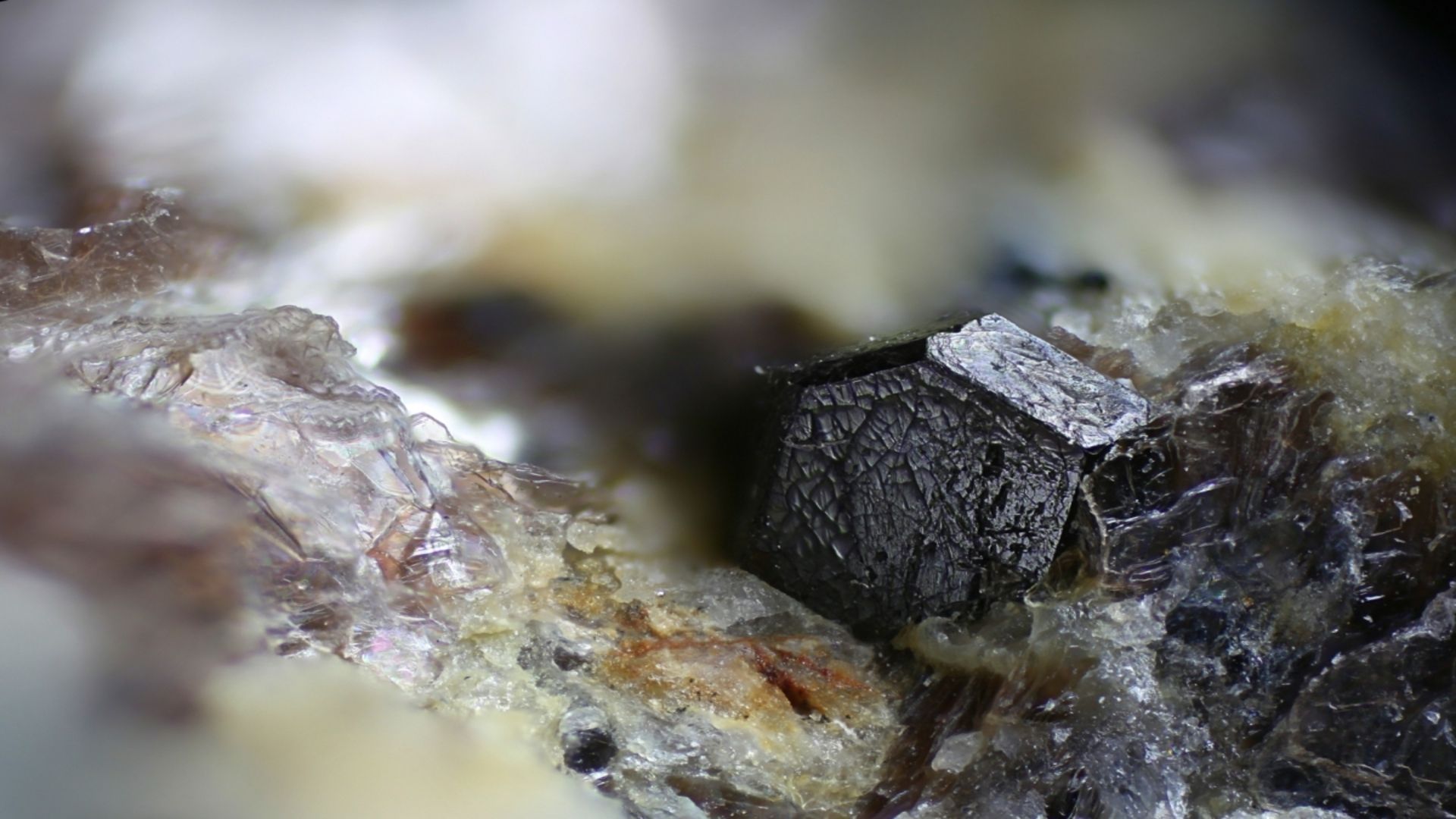
    Thorium Crystal
    Share
    Facebook Twitter LinkedIn Pinterest Email


    • Nuclear clocks promise accuracy far beyond existing atomic timekeeping systems
    • Thorium 229 offers a rare pathway to practical nuclear time measurement
    • Ultraviolet breakthrough reduces one of the hardest barriers in nuclear clock development

    A new crystal developed by Chinese scientists has broken the world record for ultraviolet light conversion, bringing nuclear clock technology closer to reality.

    The fluorinated borate compound pushes laser light to a wavelength of 145.2nm, beating the previous benchmark of 150nm set by a Chinese crystal from the 1990s.

    This wavelength is suitably short to meet a key requirement for ultra-precise portable nuclear clocks being developed in the United States, China, and other countries.

    Article continues below


    You may like

    Nuclear clocks – a major upgrade to GPS

    Nuclear clocks keep time using vibrations inside an atomic nucleus rather than electron vibrations used in atomic clocks.

    Atomic nuclei are far more stable than electrons and less affected by temperature, external vibration, and magnetic fields, meaning nuclear clocks could be 10 to 1,000 times more accurate than today’s atomic clocks.

    Such precision would enable navigation in places where GPS does not work, including deep space and underwater.

    Submarines currently need to surface for GPS fixes, making them vulnerable to detection – so a nuclear clock could allow them to navigate freely underwater using dead reckoning based on speed, direction, and elapsed time.

    Sign up to the TechRadar Pro newsletter to get all the top news, opinion, features and guidance your business needs to succeed!

    The research team, led by Pan Shilie at the Xinjiang Technical Institute of Physics and Chemistry, turned to thorium 229 for its work.

    This element is special because its nucleus vibrates at a very low energy level, making it relatively easy to monitor and measure.

    However, measuring it requires extremely precise UV lasers with wavelengths around 148.3nm, which have been very hard to produce.


    What to read next

    The new crystal converts laser light to 145.2nm, still short of the target but a major step forward.

    The team wrote that its work “paves the way for the practical development of the thorium 229 nuclear clock.”

    If the magic number is ever achieved, the crystal could also help missiles become immune to navigation jamming, an advantage during wartime.

    For spacecraft, autonomous deep space navigation without Earth-based corrections would become possible, and signals from stars, pulsars, and radio sources could also serve as navigation aids.

    The work also offers a new way to design next-generation deep ultraviolet materials for various applications.

    In theory, the extreme precision of nuclear clocks could enable far tighter network synchronization, potentially leading to faster internet speeds in future systems.

    However, such clocks will likely not render GPS entirely redundant but will help reduce reliance on these systems if perfected.

    GPS can be jammed or spoofed with fake signals, making it vulnerable during wartime, and it does not work well underwater or underground. A thorium nuclear clock would address all these limitations.


    Google logo on a black background next to text reading 'Click to follow TechRadar'

    Follow TechRadar on Google News and add us as a preferred source to get our expert news, reviews, and opinion in your feeds.


    Change clocks crystal external missiles navigate Nuclear RecordBreaking signals spacecraft submarines ultraviolet Unlock
    Share. Facebook Twitter Pinterest LinkedIn Tumblr Telegram Email
    Previous ArticleMicrosoft Teams right-click paste broken by Edge update bug
    Next Article No-JavaScript fallbacks in 2026: Less critical, still necessary
    admin
    • Website

    Related Posts

    Android Auto five essentials tips and fixes

    April 18, 2026

    This $70 mouse has all of the features of a $200 mouse and the battery lasts me three months

    April 18, 2026

    The mind-mapping app that finally organized my chaotic thoughts

    April 18, 2026
    Add A Comment
    Leave A Reply Cancel Reply

    Search Blog
    About
    About

    At WifiPortal.tech, we share simple, easy-to-follow guides on cybersecurity, online privacy, and digital opportunities. Our goal is to help everyday users browse safely, protect personal data, and explore smart ways to earn online. Whether you’re new to the digital world or looking to strengthen your online knowledge, our content is here to keep you informed and secure.

    Trending Blogs

    Obsidian Plugin Abuse Delivers PHANTOMPULSE RAT in Targeted Finance, Crypto Attacks

    April 18, 2026

    Android Auto five essentials tips and fixes

    April 18, 2026

    Mozilla challenges enterprise AI providers with Thunderbolt, open-source AI client under your control

    April 18, 2026

    No-JavaScript fallbacks in 2026: Less critical, still necessary

    April 18, 2026
    Categories
    • Blogging (65)
    • Cybersecurity (1,390)
    • Privacy & Online Earning (171)
    • SEO & Digital Marketing (849)
    • Tech Tools & Mobile / Apps (1,659)
    • WiFi / Internet & Networking (232)

    Subscribe to Updates

    Stay updated with the latest tips on cybersecurity, online privacy, and digital opportunities straight to your inbox.

    WifiPortal.tech is a blogging platform focused on cybersecurity, online privacy, and digital opportunities. We share easy-to-follow guides, tips, and resources to help you stay safe online and explore new ways of working in the digital world.

    Our Picks

    Obsidian Plugin Abuse Delivers PHANTOMPULSE RAT in Targeted Finance, Crypto Attacks

    April 18, 2026

    Android Auto five essentials tips and fixes

    April 18, 2026

    Mozilla challenges enterprise AI providers with Thunderbolt, open-source AI client under your control

    April 18, 2026
    Most Popular
    • Obsidian Plugin Abuse Delivers PHANTOMPULSE RAT in Targeted Finance, Crypto Attacks
    • Android Auto five essentials tips and fixes
    • Mozilla challenges enterprise AI providers with Thunderbolt, open-source AI client under your control
    • No-JavaScript fallbacks in 2026: Less critical, still necessary
    • This record-breaking ultraviolet crystal may unlock nuclear clocks and change how submarines, spacecraft, and missiles navigate without external signals
    • Microsoft Teams right-click paste broken by Edge update bug
    • This $70 mouse has all of the features of a $200 mouse and the battery lasts me three months
    • Recent Apache ActiveMQ Vulnerability Exploited in the Wild
    © 2026 WifiPortal.tech. Designed by WifiPortal.tech.
    • Home
    • About Us
    • Contact Us
    • Privacy Policy
    • Terms and Conditions
    • Disclaimer

    Type above and press Enter to search. Press Esc to cancel.