

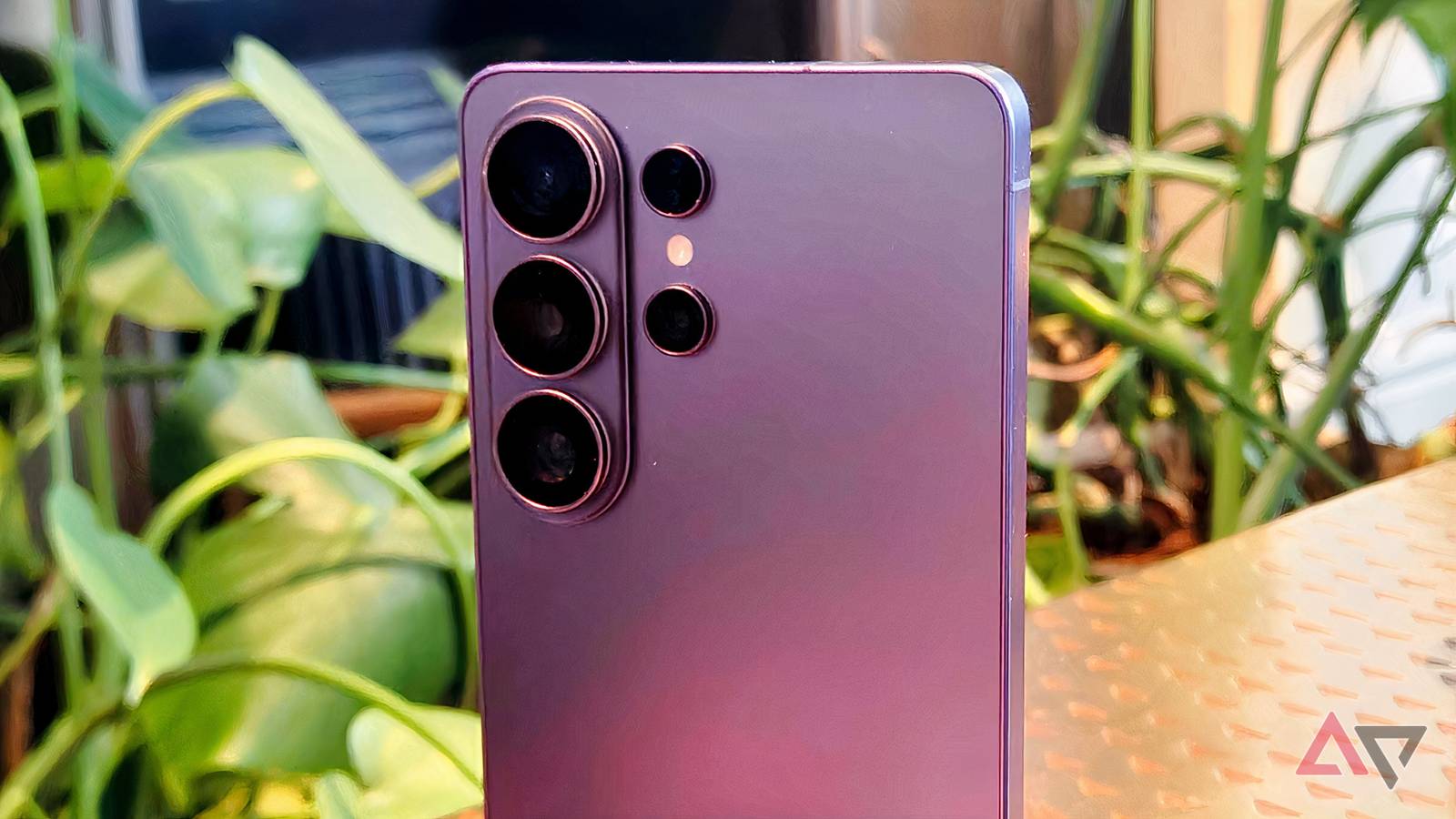
One of the many downsides of the recent bubble has been AI’s voracious appetite for hardware. Massive price rises have hit a number of previously cheap components, most notably for RAM. Increases of hundreds of dollars have been seen, and it’s not hard to see how those price increases will hit every aspect of consumer technology.
Smartphones are certainly not immune. While we’ve been shielded from the price increases by manufacturer stockpiles bought before “RAMageddon”, those stocks are dwindling, and we may soon see the true financial impact of letting AI hoover up all the RAM.
And while prices for RAM have started dropping, industry figures are still warning of price jumps.
Your next phone is likely to get more expensive because of AI, and here’s how much it might increase.
Smartphones could be in for hefty price increases
We all knew this had to be coming down the road, but recently, the Xiaomi Group’s President, Lu Weibing, took the liberty of posting on the Chinese social media site Weibo after REDMI, a Xiaomi sub-brand, increased prices for new handsets (via Android Authority).

An increase of 1500 CNY equates to around $200-220, and he claims that the phone versions with more RAM and storage have (unsurprisingly) been hit even harder. With those sorts of increases in hardware cost, it’s not hard to see why prices for individual phones have had to rise.
Chinese phones like OnePlus have always tended to include more RAM and storage options than phones more commonly found in the US, so it’s possibly they will be hit harder than phones more commonly found in the US. However, this will absolutely not be a China-only problem.

Counterpoint Research started banging this drum a month ago, warning that the price surge in memory would start to hit smartphones hard in the coming year. Horrifically, according to the research, low-end and budget devices will be hit particularly hard, with even relatively modest setups containing 6GB of GDDR4 RAM and 128GB of storage increasing the total cost of parts by a staggering 25%.
Thankfully, because low-end phones are cheap, it predicts around $30 will be added to most new phones under $200. However, Counterpoint expects that low-end brands are likely to see fewer units sold.
Flagship phones aren’t going to be so lucky. According to Counterpoint, flagship devices could see a price rise of between $150-200, making some already expensive devices even more so.
If we assume the Galaxy S26’s price increase was to get ahead of this, then Samsung may only boost prices for the Galaxy S27 by another $50-100 — but that would still catapult the price for the basic Galaxy S27 to between $950-1,000. That’s a lot of money for a model that cost $200 less only one year ago.
Even more horrifically, if we also assume the S27 Ultra could be hit even harder due to its higher specifications, we could potentially be looking at the top variant costing $2,000, or close to.
Manufacturers are finding ways to cut costs

The prices of memory may continue to rise, but manufacturers are at least making savings where they can.
Two separate reports today claim that Samsung is looking to cut costs in one specific area for a few phones: the display.
While it may seem like a bad idea to skimp on the piece of tech people spend the most time looking at, the differences between displays can be minor.
That might be why Samsung is looking to use cheaper tech where it can, such as using the less advanced M13 display in its upcoming Z Fold 8 and Z Flip 8 handsets. These displays are still excellent, but they are notably not as bright, efficient, or long-lasting as the newer M14 panels. Admittedly, the M13 panels are the same ones Samsung has been using on the Z-range since the Z Fold 6 and Flip 6, so they’re hardly bad.

More shocking is Samsung’s decision to stop using its own panels, according to another report. That report claims Samsung has switched to Chinese CSOT-made OLEDs for its upcoming mid-range phones, and has even switched to Chinese manufacturers for the Z Flip 7’s hinge, and has started using Chinese-made ultrawide camera modules on some of its S-range phones.
We’re likely to see more of these swaps as the impact of the AI bubble continues to bite — though it’s likely we’re going to see price increases anyway.
But at least you’re able to create pictures of Spongebob in a bikini. Thank goodness for that.
