
Close Menu
    Facebook X (Twitter) Instagram
    Wifi PortalWifi Portal
    • Blogging
    • SEO & Digital Marketing
    • WiFi / Internet & Networking
    • Cybersecurity
    • Tech Tools & Mobile / Apps
    • Privacy & Online Earning
    Facebook X (Twitter) Instagram
    Wifi PortalWifi Portal
    Home»Cybersecurity»Microsoft Details Cookie-Controlled PHP Web Shells Persisting via Cron on Linux Servers
    Cybersecurity

    Microsoft Details Cookie-Controlled PHP Web Shells Persisting via Cron on Linux Servers

    adminBy adminApril 4, 2026No Comments3 Mins Read
    Facebook Twitter LinkedIn Telegram Pinterest Tumblr Reddit WhatsApp Email
    Microsoft Details Cookie-Controlled PHP Web Shells Persisting via Cron on Linux Servers
    Share
    Facebook Twitter LinkedIn Pinterest Email

    Ravie LakshmananApr 03, 2026Linux / Server Hardening

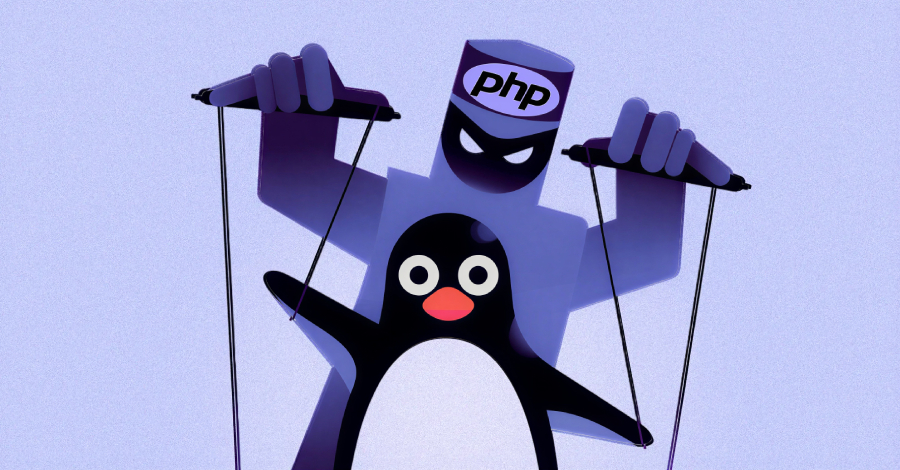
    Threat actors are increasingly using HTTP cookies as a control channel for PHP-based web shells on Linux servers and to achieve remote code execution, according to findings from the Microsoft Defender Security Research Team.

    “Instead of exposing command execution through URL parameters or request bodies, these web shells rely on threat actor-supplied cookie values to gate execution, pass instructions, and activate malicious functionality,” the tech giant said.

    The approach offers added stealth as it allows malicious code to stay dormant during normal application execution and activate the web shell logic only when specific cookie values are present. This behavior, Microsoft noted, extends to web requests, scheduled tasks, and trusted background workers.

    The malicious activity takes advantage of the fact that cookie values are available at runtime through the $_COOKIE superglobal variable, allowing attacker-supplied inputs to be consumed without additional parsing. What’s more, the technique is unlikely to raise any red flags as cookies blend into normal web traffic and reduce visibility.

    The cookie-controlled execution model comes in different implementations –

    • A PHP loader that uses multiple layers of obfuscation and runtime checks before parsing structured cookie input to execute an encoded secondary payload.
    • A PHP script that segments structured cookie data to reconstruct operational components such as file handling and decoding functions, and conditionally writes a secondary payload to disk and executes it.
    • A PHP script that uses a single cookie value as a marker to trigger threat actor-controlled actions, including execution of supplied input and file upload.

    In at least one case, threat actors have been found to obtain initial access to a victim’s hosted Linux environment through valid credentials or the exploitation of a known security vulnerability to set up a cron job that invokes a shell routine periodically to execute an obfuscated PHP loader.

    This “self-healing” architecture allows the PHP loader to be repeatedly recreated by the scheduled task even if it was removed as part of cleanup and remediation efforts, thereby creating a reliable and persistent remote code execution channel. Once the PHP loader is deployed, it remains inactive during normal traffic and springs into action upon receiving HTTP requests with specific cookie values. 

    “By shifting execution control into cookies, the web shell can remain hidden in normal traffic, activating only during deliberate interactions,” Microsoft added. “By separating persistence through cron-based re-creation from execution control through cookie-gated activation, the threat actor reduced operational noise and limited observable indicators in routine application logs.”

    A common aspect that ties together all the aforementioned implementations is the use of obfuscation to conceal sensitive functionality and cookie-based gating to initiate the malicious action, while leaving a minimal interactive footprint.

    To counter the threat, Microsoft recommends enforcing multi-factor authentication for hosting control panels, SSH access, and administrative interfaces; monitoring for unusual login activity; restricting the execution of shell interpreters; auditing cron jobs and scheduled tasks across web servers; checking for suspicious file creation in web directories; and limiting hosting control panels’ shell capabilities.

    “The consistent use of cookies as a control mechanism suggests reuse of established web shell tradecraft,” Microsoft said. “By shifting control logic into cookies, threat actors enable persistent post-compromise access that can evade many traditional inspection and logging controls.”

    “Rather than relying on complex exploit chains, the threat actor leveraged legitimate execution paths already present in the environment, including web server processes, control panel components, and cron infrastructure, to stage and preserve malicious code.”

    CookieControlled Cron details Linux Microsoft Persisting PHP Servers Shells Web
    Share. Facebook Twitter Pinterest LinkedIn Tumblr Telegram Email
    Previous ArticleGoogle Answers Why Some SEOs Split Their Sitemap Into Multiple Files
    Next Article Samsung Galaxy A37 vs. Google Pixel 10a: Two solid budget picks
    admin
    • Website

    Related Posts

    Windows is getting stronger RDP file protections to fight phishing attacks

    April 16, 2026

    Medium-severity flaw in Microsoft SharePoint exploited

    April 16, 2026

    Critical Nginx UI auth bypass flaw now actively exploited in the wild

    April 16, 2026
    Add A Comment
    Leave A Reply Cancel Reply

    Search Blog
    About
    About

    At WifiPortal.tech, we share simple, easy-to-follow guides on cybersecurity, online privacy, and digital opportunities. Our goal is to help everyday users browse safely, protect personal data, and explore smart ways to earn online. Whether you’re new to the digital world or looking to strengthen your online knowledge, our content is here to keep you informed and secure.

    Trending Blogs

    YouTube Premium is now 50% off for certain Google One subscribers

    April 16, 2026

    Windows is getting stronger RDP file protections to fight phishing attacks

    April 16, 2026

    Google adds campaign-level filtering to bulk ad review appeals

    April 16, 2026

    MKBHD pulls back the curtain on LG’s cancelled rollable

    April 16, 2026
    Categories
    • Blogging (63)
    • Cybersecurity (1,337)
    • Privacy & Online Earning (168)
    • SEO & Digital Marketing (820)
    • Tech Tools & Mobile / Apps (1,600)
    • WiFi / Internet & Networking (225)

    Subscribe to Updates

    Stay updated with the latest tips on cybersecurity, online privacy, and digital opportunities straight to your inbox.

    WifiPortal.tech is a blogging platform focused on cybersecurity, online privacy, and digital opportunities. We share easy-to-follow guides, tips, and resources to help you stay safe online and explore new ways of working in the digital world.

    Our Picks

    YouTube Premium is now 50% off for certain Google One subscribers

    April 16, 2026

    Windows is getting stronger RDP file protections to fight phishing attacks

    April 16, 2026

    Google adds campaign-level filtering to bulk ad review appeals

    April 16, 2026
    Most Popular
    • YouTube Premium is now 50% off for certain Google One subscribers
    • Windows is getting stronger RDP file protections to fight phishing attacks
    • Google adds campaign-level filtering to bulk ad review appeals
    • MKBHD pulls back the curtain on LG’s cancelled rollable
    • Medium-severity flaw in Microsoft SharePoint exploited
    • Google’s New Gemini App for Mac Comes With Two Key Benefits (and One Drawback)
    • OpenAI pulls out of a second Stargate data center deal
    • Critical Nginx UI auth bypass flaw now actively exploited in the wild
    © 2026 WifiPortal.tech. Designed by WifiPortal.tech.
    • Home
    • About Us
    • Contact Us
    • Privacy Policy
    • Terms and Conditions
    • Disclaimer

    Type above and press Enter to search. Press Esc to cancel.