

Close Menu
    Facebook X (Twitter) Instagram
    Wifi PortalWifi Portal
    • Blogging
    • SEO & Digital Marketing
    • WiFi / Internet & Networking
    • Cybersecurity
    • Tech Tools & Mobile / Apps
    • Privacy & Online Earning
    Facebook X (Twitter) Instagram
    Wifi PortalWifi Portal
    Home»Cybersecurity»AI is flooding IAM systems with new identities
    Cybersecurity

    AI is flooding IAM systems with new identities

    adminBy adminFebruary 2, 2026No Comments3 Mins Read
    Facebook Twitter LinkedIn Telegram Pinterest Tumblr Reddit WhatsApp Email
    AI is flooding IAM systems with new identities
    Share
    Facebook Twitter LinkedIn Pinterest Email

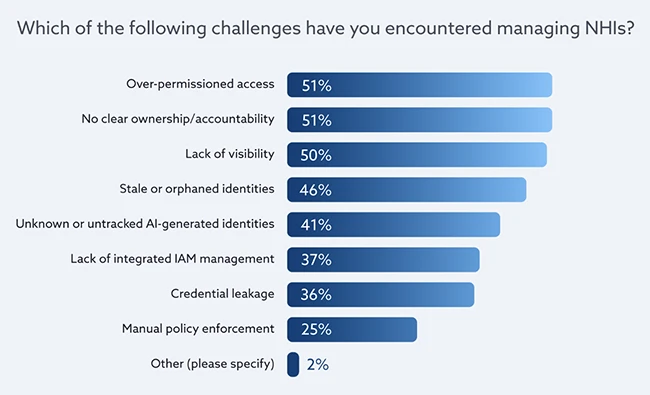
    Most organizations view AI identities through the same lens used for other non-human identities, such as service accounts, API keys, and chatbots, according to The State of Non-Human Identity and AI Security report by the Cloud Security Alliance.
    securing AI identities

    AI identities inherit old IAM weaknesses

    Treating AI identities as another category of non-human identity means they inherit the same weaknesses that have affected identity programs for years. Credential sprawl, unclear ownership, and uneven lifecycle controls already pose challenges at scale. AI systems increase the number of identities in circulation and shorten the time between creation and use, placing additional stress on these controls.

    Many identity programs rely on models built for slower and more predictable systems. AI identities are created programmatically, distributed across environments, and used continuously, increasing the number of credentials that require tracking and review.

    Risk management often centers on access mechanisms, with limited visibility into how AI systems behave once access is granted.

    Policy doesn’t keep up with automation

    In many organizations, AI identities fall into a gray area. Defined rules for how they are created, managed, and retired are often missing, and teams handle them differently depending on the system or use case.

    Automation provides limited relief. AI identities are still created and removed through processes that include manual steps, making consistency difficult to maintain as AI systems begin generating access on a regular basis. No single team consistently owns an AI identity throughout its lifecycle, and permissions tend to accumulate over time.

    When an issue occurs or an alert triggers, security teams may spend valuable time determining ownership before they can act. The result is a growing set of identities with broad access and limited oversight, which becomes increasingly difficult to manage as AI systems expand across the environment.

    “Organizations with limited visibility and unclear ownership are feeling the strain of AI-driven identities and securing identities in the AI era. Establishing strong identity foundations now is critical to reducing risk and confidently scaling AI use” said Hillary Baron, AVP of Research, Cloud Security Alliance.

    Legacy IAM meets continuous identity creation

    Most identity and access tools were built for human users and long-lived service accounts. They struggle to scale as AI systems create and use identities continuously.

    Security teams report limited confidence in their ability to control non-human identities at scale. Legacy IAM platforms depend on manual reviews, exception handling, and ticket-based workflows, which slow oversight and leave many AI-generated identities outside established governance paths.

    Non-human identities tied to AI workloads are often treated as exceptions. They bypass access reviews and certification cycles, reducing visibility into where credentials exist and what resources they can reach.

    This gap between AI-driven activity and identity controls forces teams into a reactive posture, addressing risk only after access has already been granted.

    The blind spots around AI credentials

    Weaknesses in legacy IAM tools and governance are most visible in how organizations manage the credentials behind AI systems. Teams often lack a reliable way to detect when new AI-related identities or tokens are created, allowing credentials from short-term projects or experiments to persist.

    When a credential is exposed or no longer needed, rotation or revocation frequently lags. Security teams may spend hours or days identifying where a token is used, who owns it, and which systems depend on it. During that time, the credential remains active.

    Reviewing, rotating, and auditing non-human identities consumes a consistent share of staff time each month, further straining security operations.

    flooding IAM identities Systems
    Share. Facebook Twitter Pinterest LinkedIn Tumblr Telegram Email
    Previous Article5 Android phones you should buy instead of the Galaxy Z TriFold
    Next Article OnePlus 15 Vs. OnePlus 13 doesn't make sense. [Video]
    admin
    • Website

    Related Posts

    SystemBC C2 Server Reveals 1,570+ Victims in The Gentlemen Ransomware Operation

    April 21, 2026

    CISA urges security teams to view environments following axios compromise

    April 21, 2026

    Stopping Fraud at Each Stage of the Customer Journey Without Adding Friction

    April 21, 2026
    Add A Comment
    Leave A Reply Cancel Reply

    Search Blog
    About
    About

    At WifiPortal.tech, we share simple, easy-to-follow guides on cybersecurity, online privacy, and digital opportunities. Our goal is to help everyday users browse safely, protect personal data, and explore smart ways to earn online. Whether you’re new to the digital world or looking to strengthen your online knowledge, our content is here to keep you informed and secure.

    Trending Blogs

    Continued Conversation finally hits Gemini for Home

    April 21, 2026

    SystemBC C2 Server Reveals 1,570+ Victims in The Gentlemen Ransomware Operation

    April 21, 2026

    Google adds AI-qualified call leads to improve measurement

    April 21, 2026

    Google fixes a major Gemini for Home upgrade pain point

    April 21, 2026
    Categories
    • Blogging (66)
    • Cybersecurity (1,431)
    • Privacy & Online Earning (175)
    • SEO & Digital Marketing (870)
    • Tech Tools & Mobile / Apps (1,719)
    • WiFi / Internet & Networking (236)

    Subscribe to Updates

    Stay updated with the latest tips on cybersecurity, online privacy, and digital opportunities straight to your inbox.

    WifiPortal.tech is a blogging platform focused on cybersecurity, online privacy, and digital opportunities. We share easy-to-follow guides, tips, and resources to help you stay safe online and explore new ways of working in the digital world.

    Our Picks

    Continued Conversation finally hits Gemini for Home

    April 21, 2026

    SystemBC C2 Server Reveals 1,570+ Victims in The Gentlemen Ransomware Operation

    April 21, 2026

    Google adds AI-qualified call leads to improve measurement

    April 21, 2026
    Most Popular
    • Continued Conversation finally hits Gemini for Home
    • SystemBC C2 Server Reveals 1,570+ Victims in The Gentlemen Ransomware Operation
    • Google adds AI-qualified call leads to improve measurement
    • Google fixes a major Gemini for Home upgrade pain point
    • CISA urges security teams to view environments following axios compromise
    • 10 Shows Like ‘Rooster’ You Should Watch Next
    • Stopping Fraud at Each Stage of the Customer Journey Without Adding Friction
    • Google Ads Makes Call Recording Default For AI Lead Calls
    © 2026 WifiPortal.tech. Designed by WifiPortal.tech.
    • Home
    • About Us
    • Contact Us
    • Privacy Policy
    • Terms and Conditions
    • Disclaimer

    Type above and press Enter to search. Press Esc to cancel.