
Close Menu
    Facebook X (Twitter) Instagram
    Wifi PortalWifi Portal
    • Blogging
    • SEO & Digital Marketing
    • WiFi / Internet & Networking
    • Cybersecurity
    • Tech Tools & Mobile / Apps
    • Privacy & Online Earning
    Facebook X (Twitter) Instagram
    Wifi PortalWifi Portal
    Home»Cybersecurity»OpenClaw Vulnerability Allowed Websites to Hijack AI Agents
    Cybersecurity

    OpenClaw Vulnerability Allowed Websites to Hijack AI Agents

    adminBy adminMarch 2, 2026No Comments3 Mins Read
    Facebook Twitter LinkedIn Telegram Pinterest Tumblr Reddit WhatsApp Email
    OpenClaw security
    Share
    Facebook Twitter LinkedIn Pinterest Email

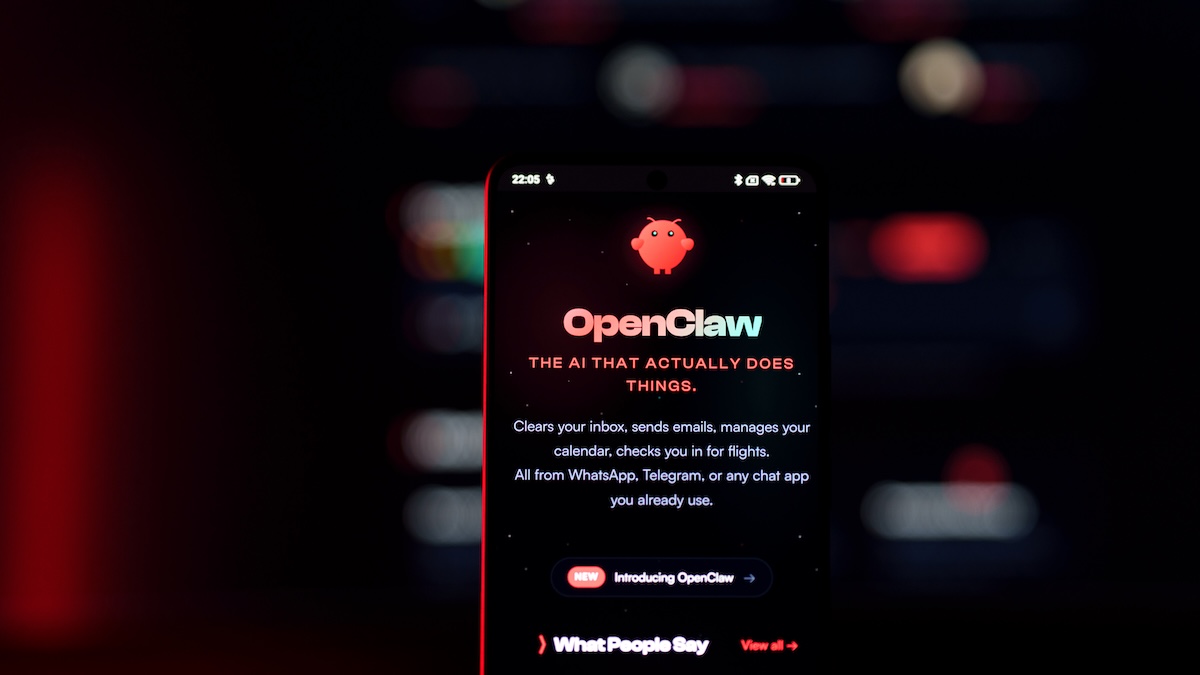
    A vulnerability in the OpenClaw AI assistant could have allowed attackers to hijack agents by luring victims to malicious websites, Oasis Security reports.

    Successful exploitation of the bug did not require the installation of malicious extensions or user interaction, instead relying on functionality within OpenClaw.

    A self-hosted AI agent, OpenClaw runs a local WebSocket server, which acts as a gateway that handles authentication, orchestrates the agent, manages chat sessions, and stores configurations.

    Applications and devices connect to the gateway as nodes to expose functionality, run commands, and access capabilities, while authentication is handled via tokens or passwords.

    “The gateway binds to localhost by default, based on the assumption that local access is inherently trusted. That assumption is where things break down,” Oasis explains.

    The cybersecurity firm discovered that AI agents with the gateway bound to localhost and protected by passwords could be hijacked if developers visited malicious websites.

    Advertisement. Scroll to continue reading.

    Because WebSocket connections to localhost were not blocked by the browser’s cross-origin policies, Oasis explains, JavaScript code on a malicious website could open such a connection using the agent’s port.

    It could then brute-force the password, because localhost connections were not covered by the gateway’s rate limiter, and then register as a trusted device, as device pairings from localhost were automatically approved with no user prompt.

    “The gateway’s rate limiter completely exempts loopback connections—failed attempts are not counted, not throttled, and not logged. In our lab testing, we achieved a sustained rate of hundreds of password guesses per second from browser JavaScript alone. At that speed, a list of common passwords is exhausted in under a second, and a large dictionary would take only minutes,” Oasis notes.

    With a guessed password, the attacker gains an authenticated session with administrator privileges, gaining full control of OpenClaw. This enables the attacker to interact with the agent, extract configurations, enumerate nodes, and read logs.

    “In practice, this means an attacker could instruct the agent to search the developer’s Slack history for API keys, read private messages, exfiltrate files from connected devices, or execute arbitrary shell commands on any paired node. For a developer with typical OpenClaw integrations, this is equivalent to full workstation compromise, initiated from a browser tab,” Oasis says.

    The OpenClaw security team addressed the vulnerability within 24 hours of receiving Oasis’s report and classified it as a high-severity issue. Users are advised to update to OpenClaw version 2026.2.25 or later. 

    Related: Claude Code Flaws Exposed Developer Devices to Silent Hacking

    Related: OpenClaw Security Issues Continue as SecureClaw Open Source Tool Debuts

    Related: Hackers Weaponize Claude Code in Mexican Government Cyberattack

    Related: The Blast Radius Problem: Stolen Credentials Are Weaponizing Agentic AI

    agents Allowed Hijack OpenClaw vulnerability websites
    Share. Facebook Twitter Pinterest LinkedIn Tumblr Telegram Email
    Previous ArticleHow I Traveled the World on a Student Budget (Without Missing Out)
    Next Article How to Create AI-Powered Content Briefs for WordPress
    admin
    • Website

    Related Posts

    IPFire ships its 200th core update with a new domain blocklist and kernel upgrade

    March 2, 2026

    Iran-linked hackers raise threat level against US, allies

    March 2, 2026

    UK warns of Iranian cyberattack risks amid Middle-East conflict

    March 2, 2026
    Add A Comment
    Leave A Reply Cancel Reply

    Search Blog
    About
    About

    At WifiPortal.tech, we share simple, easy-to-follow guides on cybersecurity, online privacy, and digital opportunities. Our goal is to help everyday users browse safely, protect personal data, and explore smart ways to earn online. Whether you’re new to the digital world or looking to strengthen your online knowledge, our content is here to keep you informed and secure.

    Trending Blogs

    5 custom ROMs that prove Android used to be more fun

    March 2, 2026

    IPFire ships its 200th core update with a new domain blocklist and kernel upgrade

    March 2, 2026

    38% of AI Overview Citations Pull From Top 10 Pages

    March 2, 2026

    The man who built an operating system for God and then lost everything

    March 2, 2026
    Categories
    • Blogging (32)
    • Cybersecurity (560)
    • Privacy & Online Earning (75)
    • SEO & Digital Marketing (348)
    • Tech Tools & Mobile / Apps (696)
    • WiFi / Internet & Networking (100)

    Subscribe to Updates

    Stay updated with the latest tips on cybersecurity, online privacy, and digital opportunities straight to your inbox.

    WifiPortal.tech is a blogging platform focused on cybersecurity, online privacy, and digital opportunities. We share easy-to-follow guides, tips, and resources to help you stay safe online and explore new ways of working in the digital world.

    Our Picks

    5 custom ROMs that prove Android used to be more fun

    March 2, 2026

    IPFire ships its 200th core update with a new domain blocklist and kernel upgrade

    March 2, 2026

    38% of AI Overview Citations Pull From Top 10 Pages

    March 2, 2026
    Most Popular
    • 5 custom ROMs that prove Android used to be more fun
    • IPFire ships its 200th core update with a new domain blocklist and kernel upgrade
    • 38% of AI Overview Citations Pull From Top 10 Pages
    • The man who built an operating system for God and then lost everything
    • Iran-linked hackers raise threat level against US, allies
    • National Book Tour for Cindy Cohn’s Memoir, ‘Privacy’s Defender’
    • Information Retrieval Part 4 (Sigh): Grounding & RAG
    • discovery+ | Stream TV Shows 20.16.0.68 by Discovery Communications LLC
    © 2026 WifiPortal.tech. Designed by WifiPortal.tech.
    • Home
    • About Us
    • Contact Us
    • Privacy Policy
    • Terms and Conditions
    • Disclaimer

    Type above and press Enter to search. Press Esc to cancel.