


We’ve been monitoring the cost of online ads for 10 years now. And overall, we’ve seen the price of clicks and leads increase predictably over time. However, we’ve also seen ads on platforms like Google get more efficient, with click-through and conversion rates increasing dramatically.
There’s a lot of nuance in online advertising costs to consider. Your goals, your industry, and your target customer will all affect the price for ads, where you spend it, and how much you budget to grow.
That’s why we built this guide. It provides clear insights into the costs of online advertising to help you set expectations, plus plenty of examples and tips to help you keep those costs in line while getting every lead and sale possible from your investment.
Contents
Online advertising costs overview
We reviewed a deep set of online advertising cost data across our own benchmark studies and several outside sources. Here’s what we found:
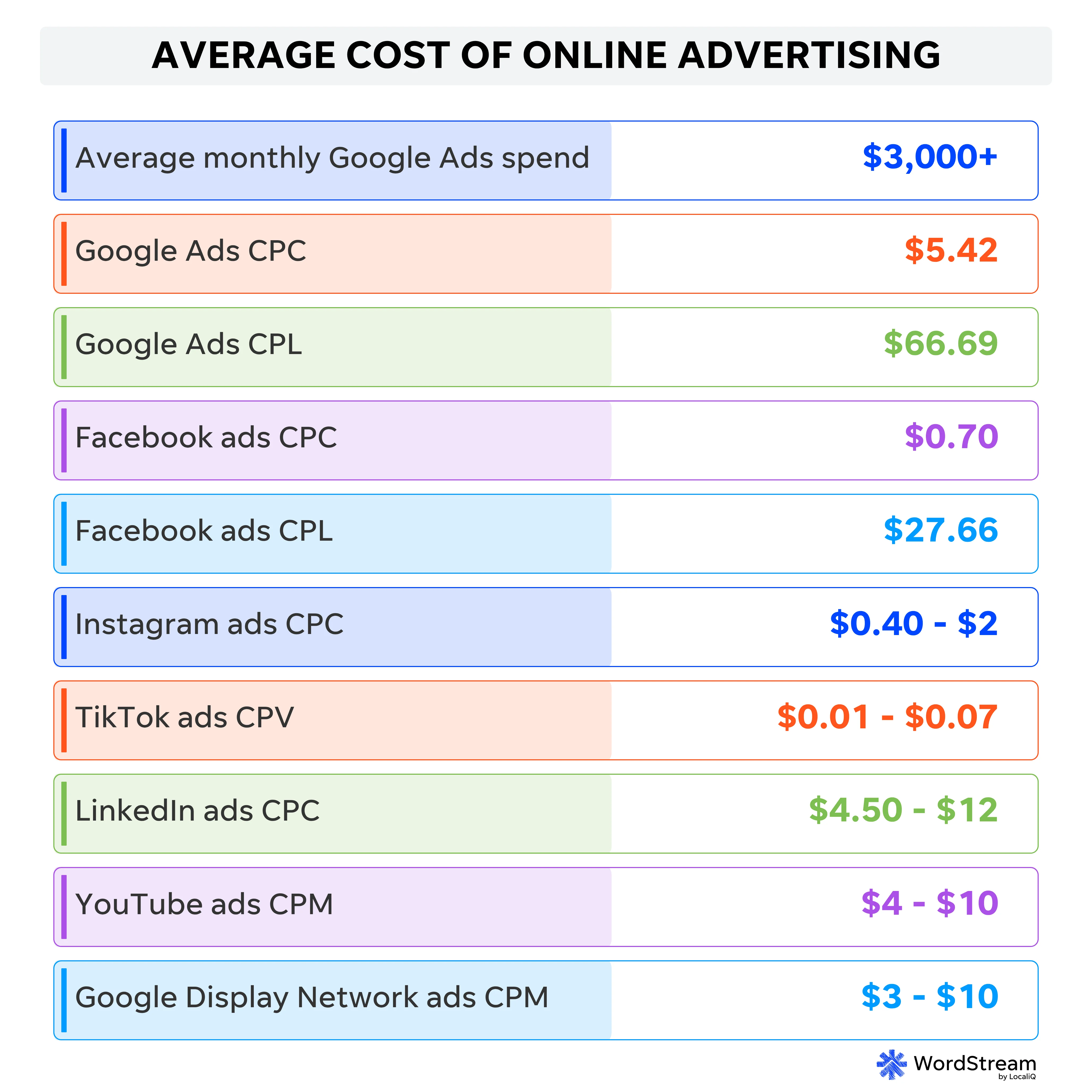
| Platform/metric | Average cost |
|---|---|
| Average monthly Google Ads spend | $3,000+ |
| Google Ads CPC | $5.42 |
| Google Ads CPL | $66.69 |
| Facebook ads CPC | $0.70 |
| Facebook ads CPL | $27.66 |
| Instagram ads CPC | $0.40 – $2 |
| TikTok ads CPV | $0.01 – $0.07 |
| LinkedIn ads CPC | $4.50 – $12 |
| YouTube ads CPM | $4 – $10 |
| Google Display Network ads CPM | $3 – $10 |
Let’s dig into the context of these costs and learn more about each advertising channel.
How much do Google Ads cost?
Search ads, including Google Ads, are an incredibly popular marketing channel because they deliver leads with a high purchase intent. When someone searches for “the best plumber,” they’re very likely to schedule service.
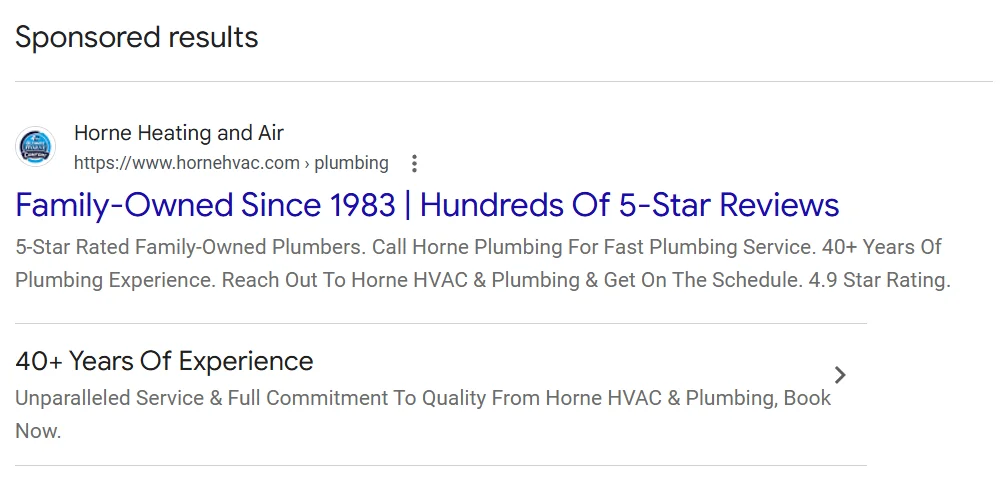
A typical example of pay-per-click (PPC) advertising on a Google search engine results page (SERP).
The average small business spends about $3,000 per month on Google Ads. The way they’re charged is often either in a cost per click model or a cost per lead model. Let’s look the average costs for both.
⁉️Are your Google Ads running at peak performance? Find out with our Free Google Ads Grader
Cost per click in Google Ads
The average CPC in Google Ads is $5.42.
CPC is a pricing model where the advertiser is charged a small amount every time someone clicks on an ad.
Your cost per click is calculated on the fly every time your ad appears, according to a process known as the ad auction. The ad auction is Google’s way of deciding which ads to display when someone performs a keyword search, what order to rank the ads in, and how much each online advertiser pays per click. This guide to the Google Ads auction explains the process in detail.
Average Google Ads CPC by industry
How much are other businesses in your industry paying for a click on Google Ads? Knowing that will help you set goals and audit your Google Ads performance.
Here are the average Google Ads CPCs by industry:
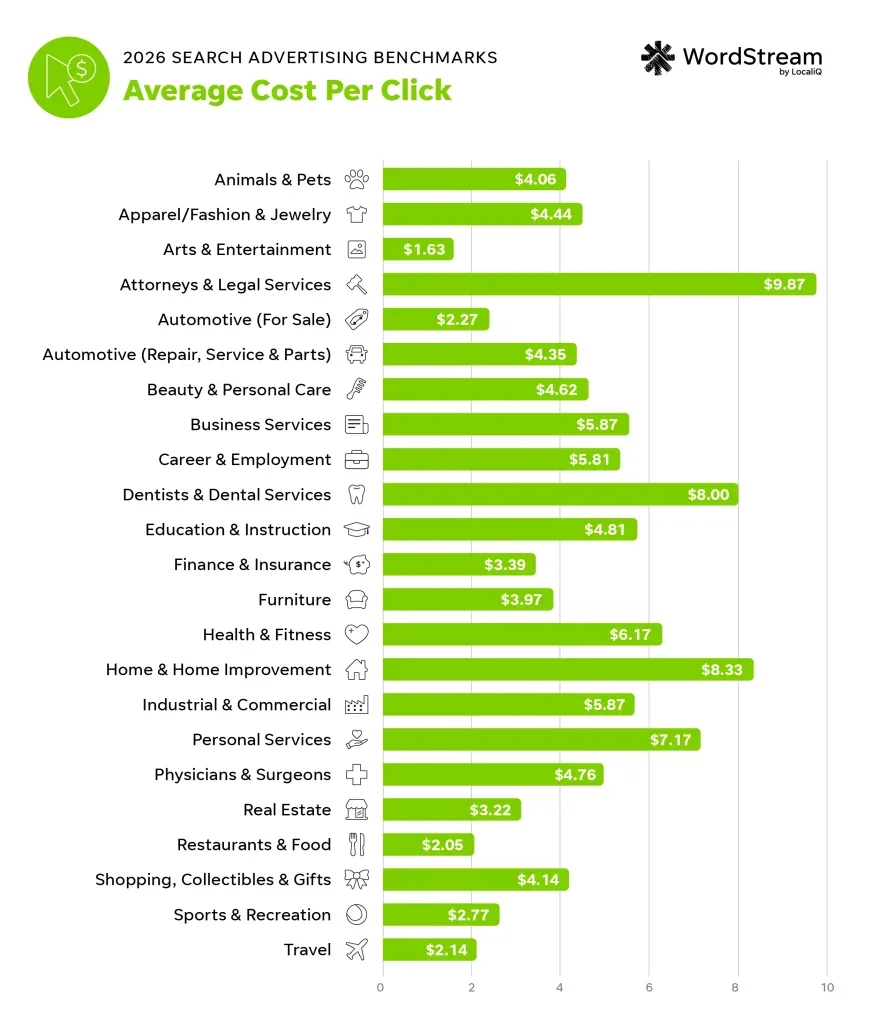
On average, businesses in the Arts & Entertainment market will pay $1.63 for a click, while the CPC for Attorneys and Legal Services is nearly $10.
Cost per lead in Google Ads
The average CPL in Google Search Ads is $66.69.
In CPL pricing, an advertiser is charged every time a viewer takes a specific conversion action as determined by the advertiser. For example, a conversion from a Google Ad could mean someone fills out a lead form, downloads an ebook, or subscribes to a newsletter.
CPL is the “money metric” in Google Ads because it links your ad performance directly to your business’s bottom line.
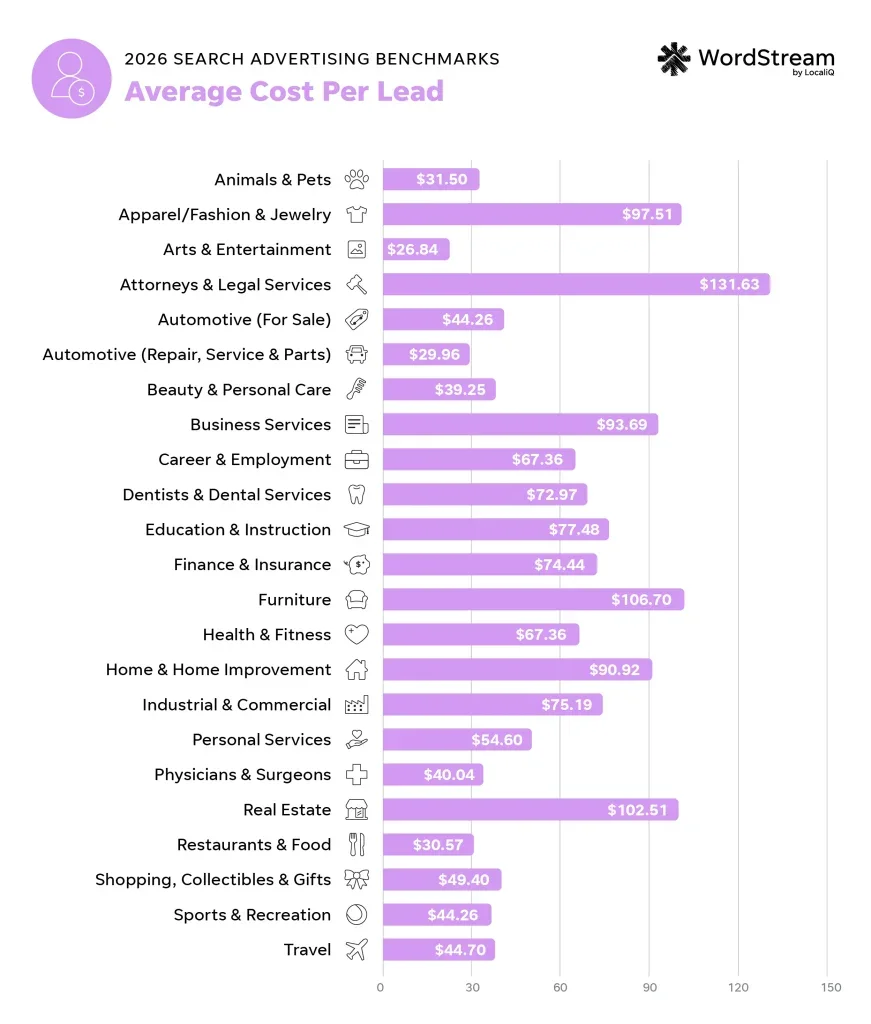
Average Google Ads CPL by industry
Just like clicks, the industry you’re in will help determine the price you’ll pay for a lead. Some industries, like real estate, are highly competitive, so their CPLs are higher than the overall average.
Google Ads is still one of the best ways to grow your business. In recent years, though, we’ve seen its dominance challenged by social media. Let’s look at the cost to advertise on the most popular social networks.
How much do social media ads cost?
Social media has grown into a huge advertising channel, rivaling even search engines. In fact, Emarketer projects that Meta (the parent company of Facebook and Instagram) will soon overtake Google in advertising revenue.
It’s no surprise that when we asked small businesses which advertising channels they use, social media ranked at the top.
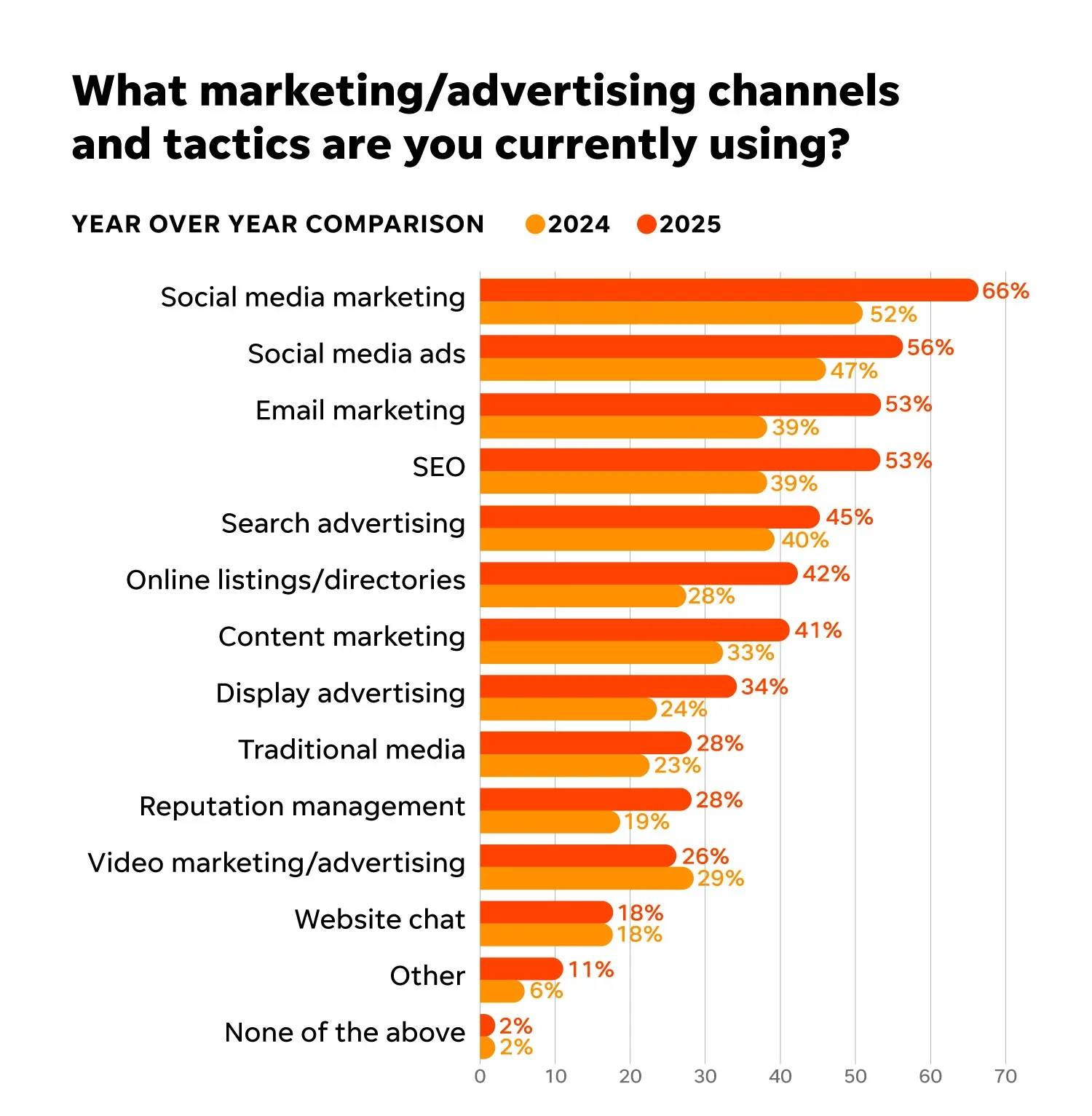
Each social media platform uses different methods for pricing and delivering ads. Here’s how they break down.
Facebook ad costs
Facebook remains the largest social network based on total users. That, and its flexible advertising options, make it a valuable channel for many businesses.

Great Facebook ads can include images, video, and copy to engage their audience.
Facebook’s advertising works similarly to Google’s in that advertisers place a bid in an auction (although the auctions themselves use different criteria to determine the winners). This comprehensive guide to Facebook advertising explains it well.
To review Facebook advertising costs, it’ll be helpful to break them down by campaign goal, since they deliver different outcomes for key metrics.
🛑 Spending too much on Facebook Ads? Learn now with our free Facebook Ads Grader
Traffic campaigns
Traffic campaigns on Facebook prioritize driving website traffic. That means Facebook guides these campaigns to serve ads to audiences most likely to click. And the most important metric to measure them is cost per click.
The average CPC in Facebook ads for traffic campaigns is $0.70.
Here are the CPCs of Facebook ads by industry:
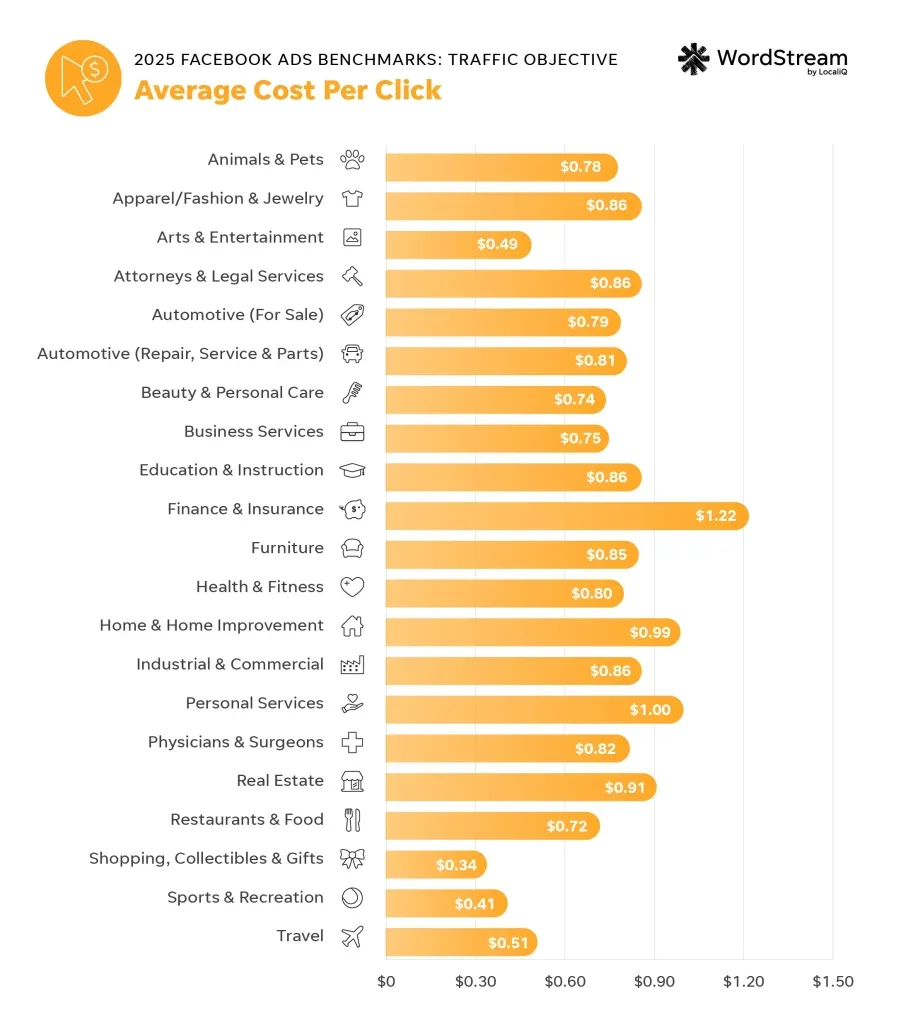
On Facebook, businesses in the Finance & Insurance industry pay the most for clicks, on average, while those in the Shopping, Collectibles, & Gifts industry pay the least.
Leads campaigns
Facebook campaigns using the leads objective focus on showing ads to maximize leads and conversions. You do that by creating Facebook Lead Ads, which let you get leads directly from the platform.
The average CPL in Facebook ads for lead campaigns is $27.66.
Like we’ve seen in other ad costs, CPL varies by industry here.
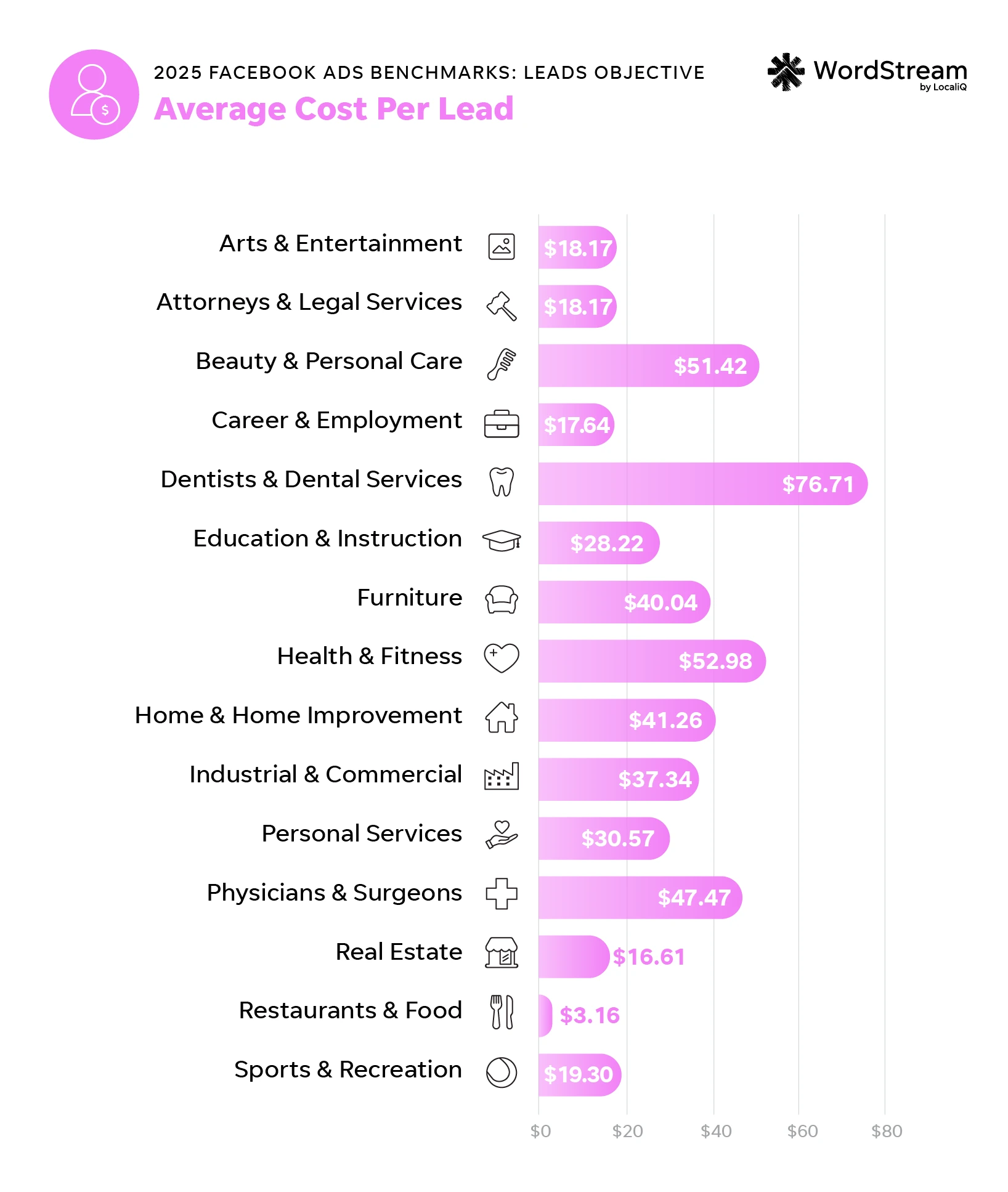
We see Dentists & Dental Services businesses paying the highest average cost for leads on Facebook ads. The Restaurants & Food industry pays the lowest average cost per lead.
Instagram advertising costs
As part of Facebook, Instagram’s advertising pricing models function very similarly to those of Facebook ads themselves.
This is great news for newcomers and experienced Facebook advertisers; if you’ve never advertised on either platform, it’s easy to get started, and if you’re already familiar with Facebook Ads, launching your first Instagram campaign will be very straightforward.

A successful Instagram ad has a strong call to action, engaging visuals, and compelling copy.
Based on several studies:
- The average CPC of Instagram ads is between $0.40 and $2.
- The average cost per engagement (CPE) of Instagram ads is between $0.03 and $0.08.
- The average CPM of Instagram ads is $2 and $6.
🚀 Get more customers from every ad click! Download 14 Super-Fast Ways to Boost Conversions
TikTok advertising costs
TikTok has evolved into an important marketing channel that spans interests and generations. Ads on the platform actually now have a higher click-through rate than ads on Facebook and Instagram.

Influencer partnerships are a common type of TikTok ad.
It’s good to note that TikTok counts a click whenever someone taps your call to action button, nickname, profile picture, or “Learn More” link. You won’t pay if someone just taps to like or comment on an ad. Also, it considers a view to occur as soon as a video starts playing.
TikTok has its own ad bidding system, offers several types of ads, and has rules like a minimum budget requirement. You can learn all about how these ads work and how to get started on TikTok here.
As for ad costs on the platform, current data shows:
- The CPC of TikTok ads is between $0.30 and $1.50.
- The CPV of TikTok ads is between $0.01 to $0.07.
- The CPM of TikTok ads is between $4 and $10.
LinkedIn advertising costs
LinkedIn is still a B2B advertising powerhouse, but the lines are getting blurred. Many B2C brands now use the platform to build brand awareness with a professional audience.

LinkedIn ads rely on an auction and a relevancy score to determine which advertiser gets the ad spot. It also offers several campaign objectives to choose from. When you’re ready to give it a try, this guide to optimizing LinkedIn ads is a great place to start.
When you average the available LinkedIn ad cost data, you find that:
- The average CPC of LinkedIn ads is between $5 and $10.
- The average CPM of LinkedIn ads is between $25 and $45.
- The average CPL of LinkedIn ads is between $45 and $120.
YouTube advertising costs
YouTube is part search engine, part streaming service, and part social media network. That’s led more than 90% of consumers to say they’ve discovered new products and brands on the video-sharing platform.

YouTube ads work for large national brands and local businesses.
The cost of YouTube ads varies greatly by the type of ad. In fact, different ad types come with different goals. For example, a skippable in-stream ad uses the CPV model while a non-skippable ad is charged on a CPM basis.
If you want to learn how to run effective YouTube ads from scratch (or want a refresher on the basics), this starter guide to YouTube advertising will help.
Since YouTube is video-focused, its costs are centered around views, impressions, and clicks. Looking at relevant studies, we see that:
- The average CPM on YouTube ads is between $4 and $10.
- The average CPC on YouTube ads is between $0.50 and $3.
- The average CPV on YouTube ads is between $0.10 and $0.30.
How much do display ads cost?
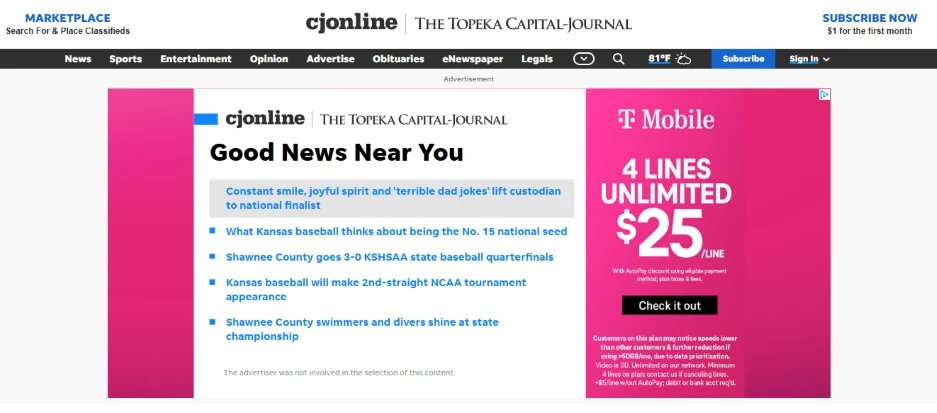
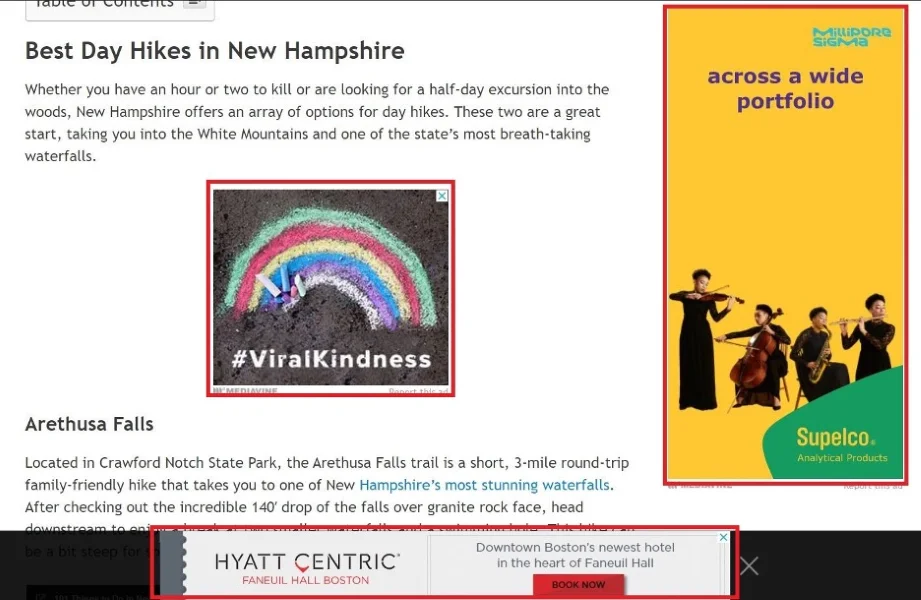
Display ads are visual online ads that appear in designated placements across websites and mobile apps. There are several versions, like static banner ads, videos that play along the side of the screen, or full-screen takeovers.
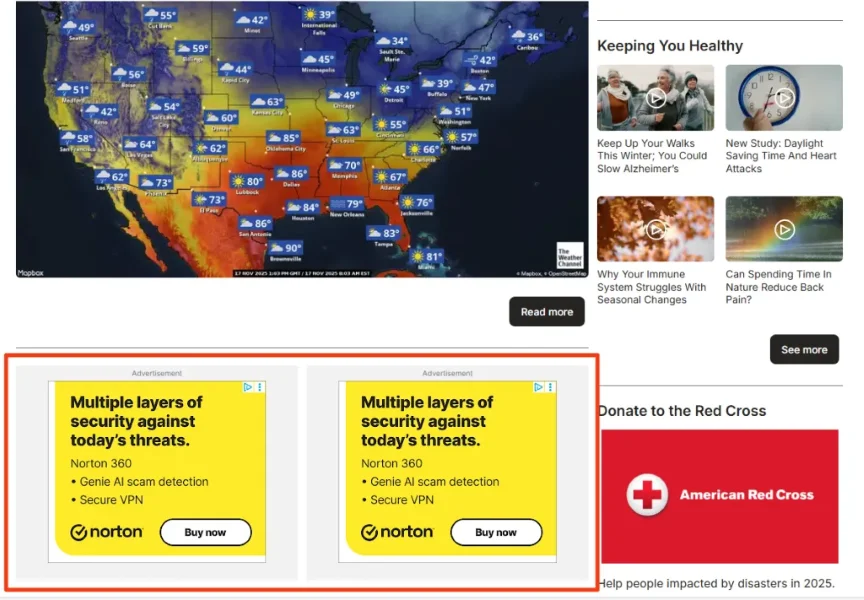
Display ads, like the ones here in the red box, can show up just about anywhere on a web page.
While search ads appear when someone types in a relevant query, display ads show proactively based on targeting options like demographics, interests, or previous behavior. That makes banner ads excellent for building brand and product awareness.
Ads on the Google Display Network are a great complement to its Search Ads. Where Search Ads show for people ready to buy, display ads have an enormous reach. The GDN includes over 35 million websites, plus Google-owned properties like YouTube and Gmail.
The cost for display ads ranges greatly depending on where they show up, the industry they’re targeting, the type of ad, and other factors. For ads purchased through the Google Display Network:
- The CPM of display ads is between $3 and $10.
- The CPC of display ads is between $0.50 and $1.
While the Google Display Network is one of the largest, there are many other options out there. For example, the USA TODAY Network offers several advertising options placed on hundreds of websites reaching over 126 million people.
7 tips to control the cost of your online ads
Now that we have an idea of how much online advertising costs, let’s look at some ways to make each ad more efficient.
Make your ads more relevant
Ad relevancy means making the offer, copy, and ad creative meaningful to your intended audience and making sure it aligns with the landing page they’ll click to.

Relevance has two important effects on online advertising costs. First, a highly relevant ad will get more clicks from the people actually interested in buying and fewer from those who aren’t. That’ll keep your overall campaign spend down while increasing its ROI.
Second, ad platforms like Google and TikTok consider ad relevance in their auction process. If your ads meet their relevance criteria, you may win placements even against higher bids.
Use negative keywords
Negative keywords are words or phrases you add to a search campaign to stop your ads from showing up for searches that aren’t relevant to your business.
In our recent study of over 15,000 Google Ads accounts, we found that accounts using at least one negative keyword in their campaigns saw 3X higher conversion rates than those that didn’t.
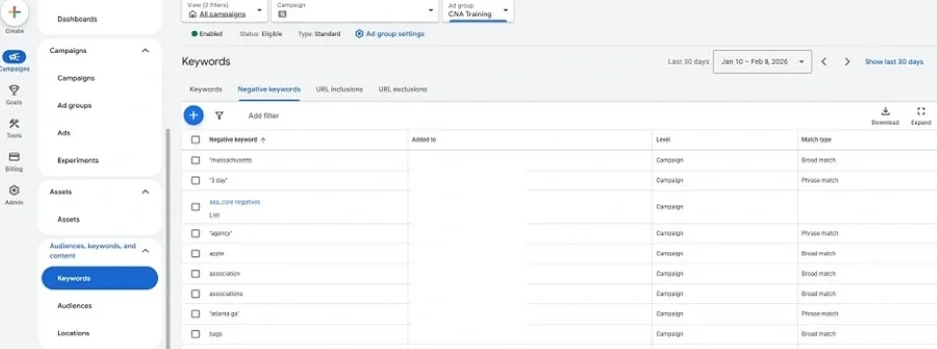
Give your online ads a big boost with negative keywords.
Check your bidding strategies
Your bid is how much money you’re willing to spend to get a result like a click or lead. Bid too low, and you’ll miss out on visibility. Bid too aggressively, and you’ll drive up costs without added return.
There are several bid strategies, both manual and automated, available on each ad platform, and the one you choose will depend on your goals and comfort level with managing ads. It’s good to understand each.
Use these resources to make sure you’re bidding for maximum results:
Tighten your targeting
Before you begin any campaign, make sure you know your target audience. What they like, where they live, how they earn a living—the more information you can use to identify likely buyers, the more efficiently you can target your ads.

When you know your audience, you can better target ads that find them.
Just like bidding strategies, each platform offers its own targeting options. Many offer highly effective targeting tactics like geotargeting and lookalike audiences. Make sure to use them when possible.
We’ve created guides to help you get the most out of each platform’s targeting options:
Use remarketing often
Remarketing (AKA retargeting) lets you show ads specifically to people who have already visited your website or interacted with your business, so you can bring them back when they’re closer to making a decision.
Remarketing ads appear as display ads but are targeted using prior behavior.
These types of ads are extremely effective. Users who see retargeting ads are 70% more likely to convert than first-time visitors who don’t see retargeting ads. Google offers remarketing ad options, as does Facebook.
Create dedicated landing pages for your campaigns
A dedicated landing page is a standalone web page built specifically for an ad campaign. It’s designed to match what the ad promised and motivate visitors to take one specific action, like filling out a form or making a purchase, without the distractions of a full website.
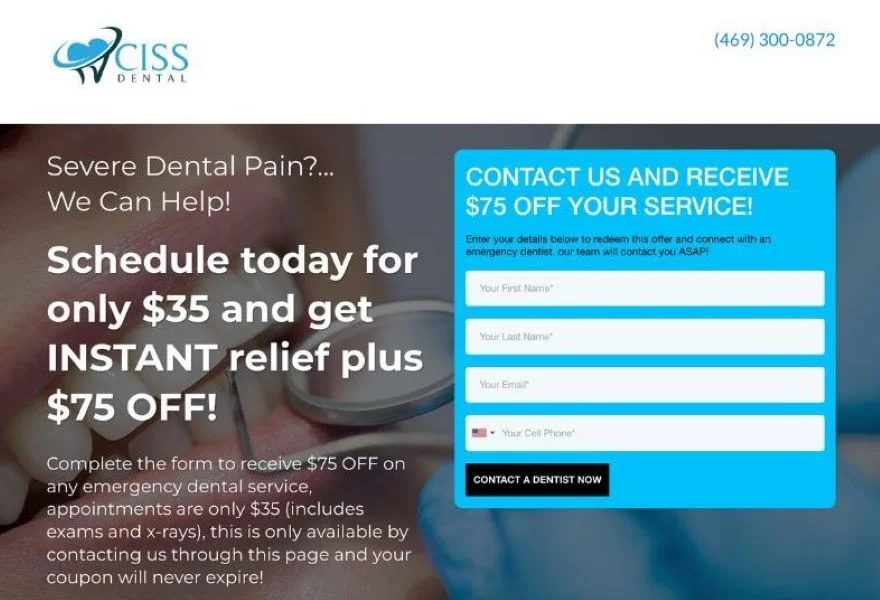
The ad associated with this landing page would highlight dental pain.
Businesses that use well-optimized, dedicated landing pages can see up to 220% boost in conversion rates compared to sending ad traffic to generic web pages.
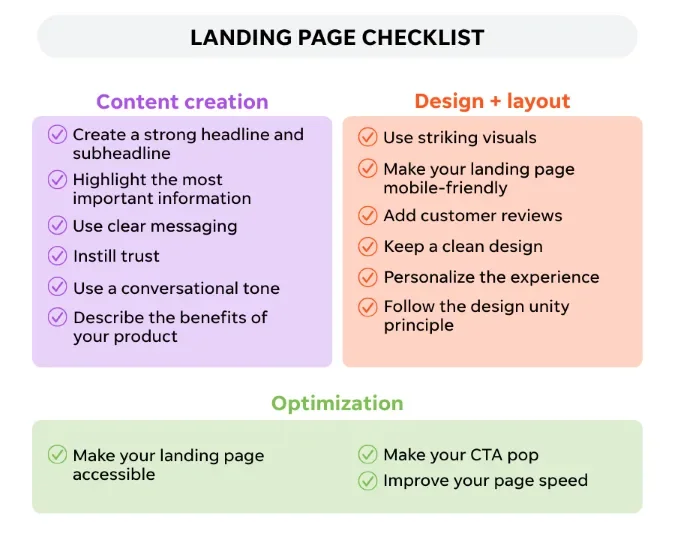
Even though landing pages serve a straightforward purpose, there’s a lot to consider when building one that’ll convert more customers. We’ve created a landing page checklist and list of tips to help you do it.
Try adding power words to your ad copy
A strong targeting and bid strategy can help keep your online advertising costs reasonable. But even those tactics will stall if your ad copy isn’t strong enough to catch attention and generate clicks.
We recently completed a study of 180 top-ranked Google Ads and found some important patterns common among them. For example, we found that a high percentage of the Ads included certain power words in the copy.
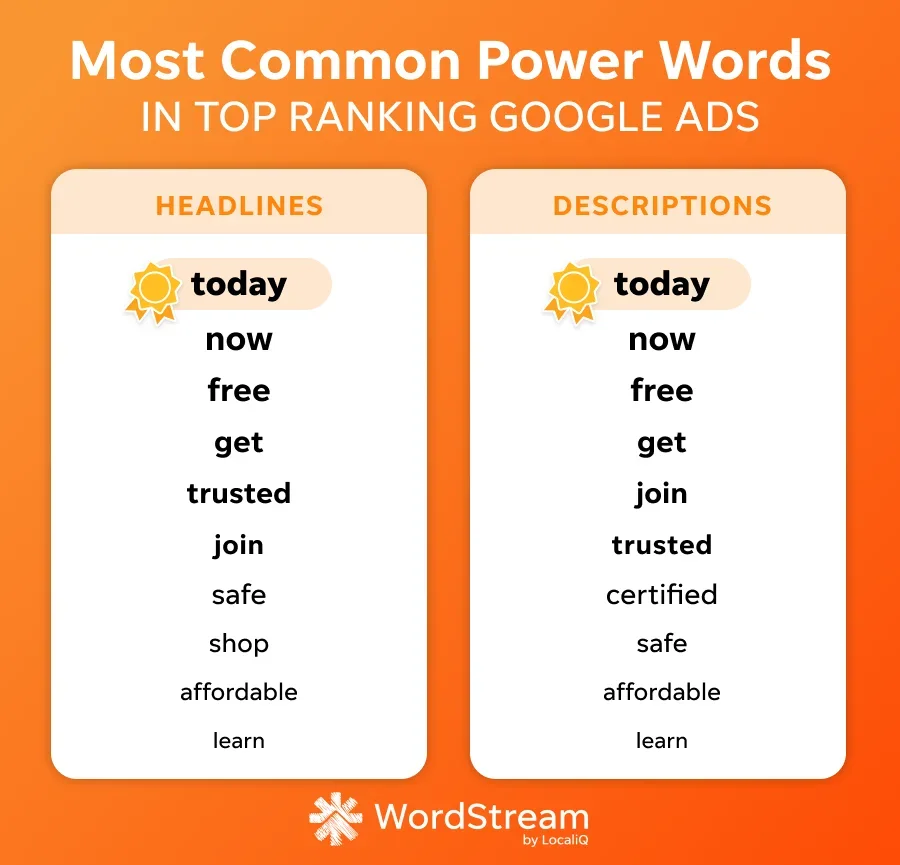
You can read the whole study and get more ideas for high-converting ad copy (like using numbers for specificity) in this guide.
Online advertising cost FAQs
Here are answers to some of the most commonly asked questions about online advertising costs.
What variables affect online ad costs?
There are several factors that help determine how much you’ll pay for online advertising, including:
- Your industry
- Your target audience characteristics and size
- The advertising platform
- Time of day and year your ads run
- How relevant and well-optimized your ads are
What are the most common online ad pricing models?
The most common online ad pricing models are:
- CPC (cost per click): You pay each time someone clicks your ad. This is common for search ads where you’re targeting people ready to take action.
- CPM (cost per thousand impressions): You pay for every 1,000 times your ad is shown, regardless of clicks. CPM is typical for display and awareness campaigns.
- CPA (cost per acquisition): You pay only when someone completes a specific action, like a form fill or purchase. These ads have a higher cost per event, but you’re only paying for results.
- CPL (cost per lead): Similar to CPA but focused specifically on capturing contact information. CPA ads are common in service-based industries where the sale happens offline.
- CPV (cost per view): You pay each time someone watches your video ad, usually past a certain threshold. This is a standard for YouTube and video campaigns.
How much should you spend on Google Ads?
While there’s no universal answer, our experts suggest starting with a budget of at least $1,000 to $2,500 on Google Ads per month. Google Ads work best with data, so you’ll need to spend around that much to generate data that it can use to bid and target efficiently.
Keep your online advertising costs under control
Online advertising offers an incredible opportunity to build awareness and find new customers. The targeting, creative options, and sheer size of the audience make it a must-use for most businesses.
But it’s true that without good strategies and proper controls, advertising costs can spin out of control—or at least not deliver results efficiently.
The data and tips in this guide will help you set benchmarks and manage your ad costs. If you’d like a hand getting the most out of your advertising budget, reach out. We can show you how our digital advertising solutions can help.
