

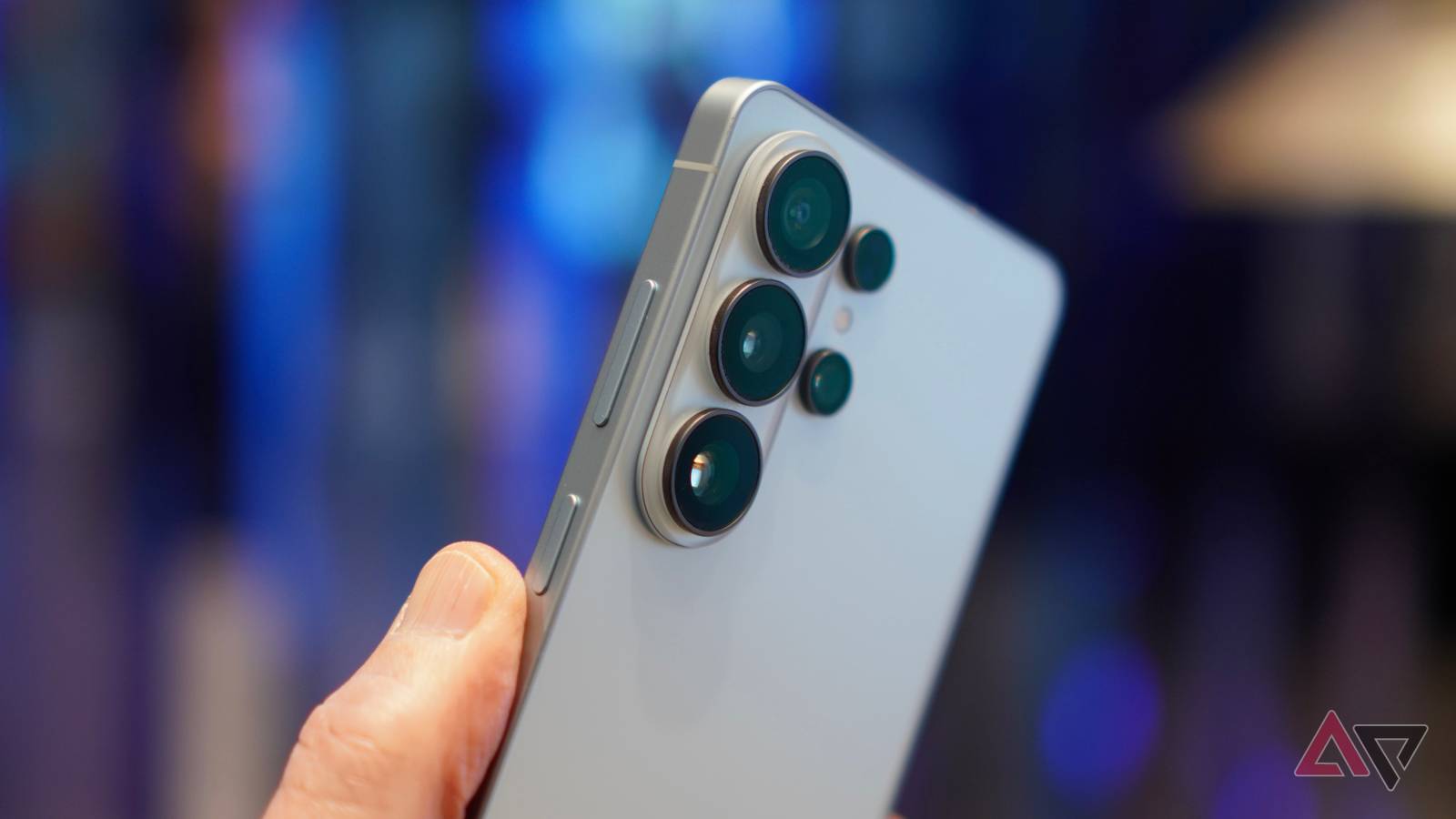
A depressing realization set in as I watched Galaxy Unpacked.
As Samsung unveiled the pricing for the various Galaxy S26 models, it became clear that we’re never seeing the return of the microSD card slot on flagship phones.
Omitting the microSD card slot is a feature, not a bug, with Samsung (and others) perfectly aware of the result.
The microSD card slot was once a standard. If you needed more storage, you added a card — quick, easy, and cost-effective.
Sure, it’s still included on some midrange and budget phones, but it’s conveniently disappeared from more expensive phones over the last several years.
It’s never coming back, and the Galaxy S26 Ultra is a perfect example of why not.

After 5 minutes with the Samsung Galaxy S26 Ultra, its best new feature is something I didn’t expect
The real Galaxy upgrade to me isn’t in the camera, Bixby, or performance
Galaxy S26 pricing is no joke
A microSD card slot would alleviate the pain

Yes, Samsung kept the base price the same on the 256GB Galaxy S26 Ultra. However, I’m not handing out gold stars for a $1,300 starting point.
If you want 512GB of storage on your flagship Samsung, it’ll set you back $1,500. And if you have the audacity to want 1TB, it’s wallet-punishing at $1,800.
It puts buyers in a tough spot, since I see the appeal of getting as much storage as possible.
The Galaxy S26 Ultra is a powerful phone, with a Snapdragon 8 Elite Gen 5 chipset and 12 or 16GB of RAM. Samsung also promises seven years of software support, so there’s every expectation you should be able to enjoy your phone for years.
If you’re keeping a device for five or six years, you’ll want plenty of storage for all those photos and videos, and it’s a shame you’ll have to pay so much for more.
Samsung isn’t alone with expensive storage
Other manufacturers are guilty

Samsung may be particularly egregious with Galaxy S26 Ultra pricing, but it’s by no means alone in the industry.
Google charges $1,200 for a base Pixel 10 Pro XL with 256GB of storage. The 512GB variant will set you back $1,319, and 1TB of storage runs you $1,550.
So, even though Google charges slightly less than Samsung for more storage, it’s by no means a bargain.
Expensive storage configurations aren’t a problem for only Android manufacturers, as Apple has charged significant amounts for upgraded configurations for years. An iPhone 17 Pro Max starts at $1,200, but a 2TB version costs a mind-numbing $2,000.
It leads to difficult decisions for buyers, especially since cloud storage isn’t ideal for everyone, and if you want larger amounts of it, you’ll wind up paying either way.
A microSD card slot is the perfect solution, but it would mean companies would lose out on that extra revenue, while you buy cheap SD cards on Amazon.
A microSD card slot solves multiple problems
Still worth it in 2026

I’ve long argued that a microSD card slot is a valuable feature in 2026 — beyond the obvious nostalgia. In addition to being a relatively inexpensive way to expand your phone’s base storage, there are practical benefits.
If you often travel, you’re not always in a spot with an ideal Wi-Fi or mobile data connection. Large amounts of cloud storage require a monthly fee, and you need reliable access to the internet in order to download your files.
A microSD card slot gives you instant access, allowing you to call up work files or just carry your entire catalog of movies and music with you.
Not everyone has an unlimited data plan, and if you spend most of your day using your mobile data connection, it’s easy to chew through your available gigabytes downloading files from the cloud.
It’s a feature that adds flexibility, but it’s also one we won’t see returning on flagship phones anytime soon.
I’m hopeful 2026 brings some changes
Several midrange and budget phones still offer microSD card slots, because there’s only so much more you can charge someone spending $200 to $300.
However, on flagship phones, manufacturers like Samsung and Google are comfortable asking hundreds more.
I’m hopeful new releases this year, like the Clicks Communicator, which features a microSD card slot, highlight the multiple use cases.
Until then, we’re forced to spend way more than we should for additional storage, with phones like the Galaxy S26 Ultra leading the way.

- SoC
-
Qualcomm Snapdragon 8 Elite Gen 5
- RAM
-
12GB / 16GB
- Storage
-
256GB / 512GB / 1TB
- Battery
-
5,000mAh
- Operating System
-
Android 16 / OneUI 8.5
- Front camera
-
12MP
The Samsung Galaxy S26 Ultra has a world-first new feature called the Privacy Display, which hides the phone screen from prying eyes. The phone is lighter, thinner, and more powerful than its predecessor.
