
Close Menu
    Facebook X (Twitter) Instagram
    Wifi PortalWifi Portal
    • Blogging
    • SEO & Digital Marketing
    • WiFi / Internet & Networking
    • Cybersecurity
    • Tech Tools & Mobile / Apps
    • Privacy & Online Earning
    Facebook X (Twitter) Instagram
    Wifi PortalWifi Portal
    Home»Tech Tools & Mobile / Apps»Scientists create a DNA hard drive that could store centuries of data in microscopic volumes without traditional HDD constraints
    Tech Tools & Mobile / Apps

    Scientists create a DNA hard drive that could store centuries of data in microscopic volumes without traditional HDD constraints

    adminBy adminMarch 9, 2026No Comments3 Mins Read
    Facebook Twitter LinkedIn Telegram Pinterest Tumblr Reddit WhatsApp Email
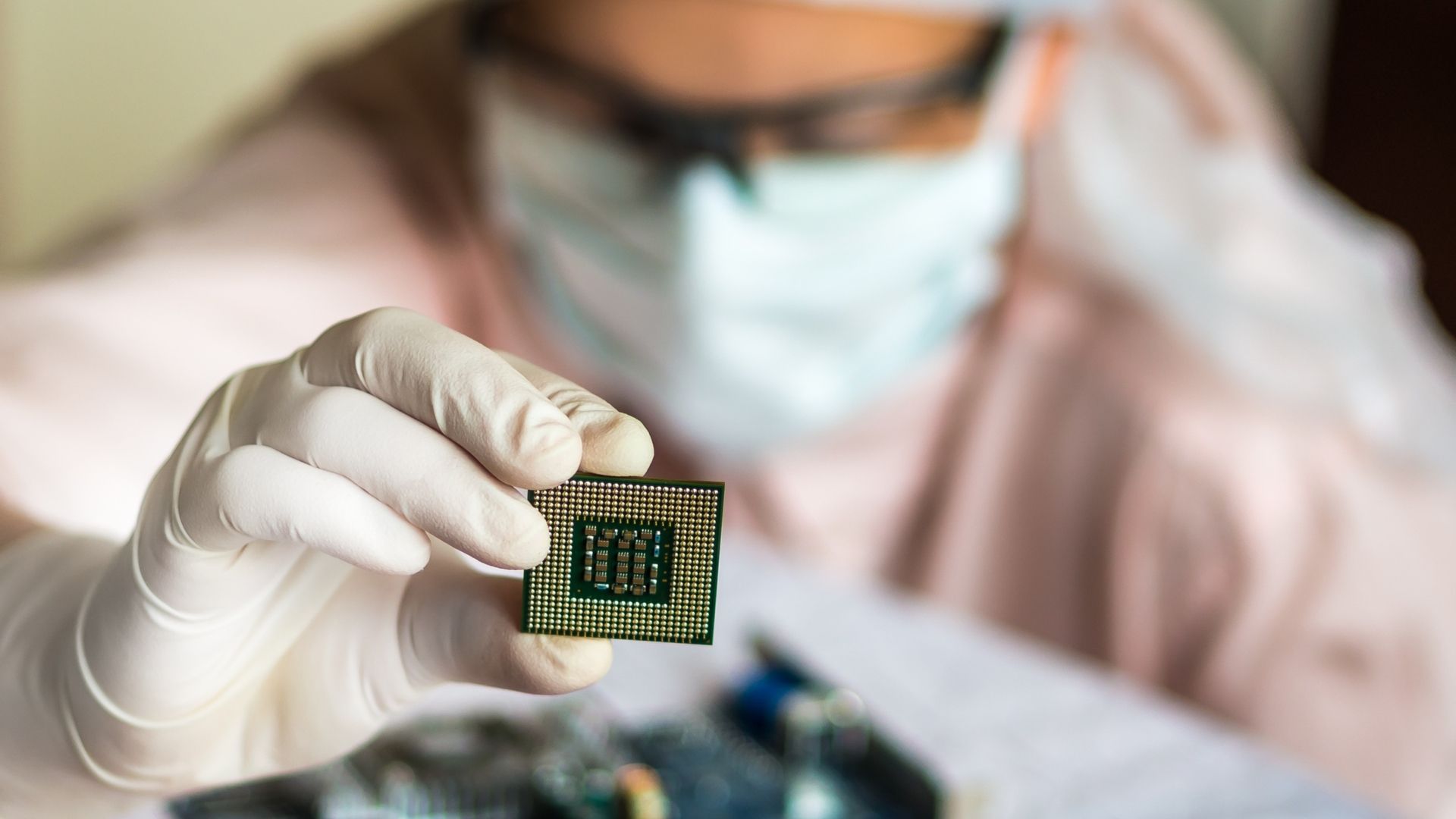
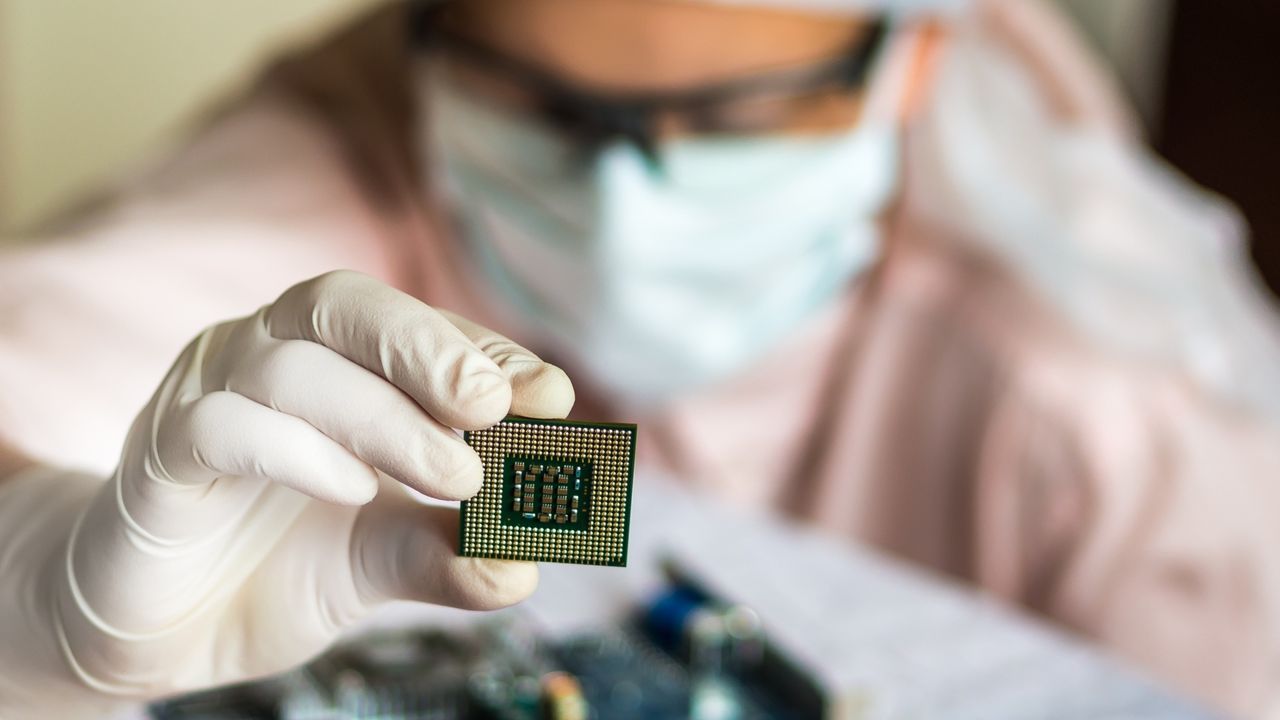
    scientist holding microchip and checking electronic circuit
    Share
    Facebook Twitter LinkedIn Pinterest Email


    • University of Missouri researchers claim DNA hard drives can store, erase, and rewrite repeatedly
    • Frameshift encoding converts binary data into DNA sequences for molecular storage
    • Nanopore sensors read DNA sequences by detecting subtle electrical signal changes

    The University of Missouri has announced progress on what it calls a “DNA hard drive,” claiming it can store, erase, and rewrite information repeatedly.

    Unlike conventional HDDs or cloud storage, which rely on magnetic or solid-state media, this approach leverages the molecular stability of DNA.

    The researchers claim DNA offers extraordinary storage density and longevity, which could make such a device both practical and energy-efficient compared with today’s data centers.


    You may like

    Potential and promise of molecular-level storage

    “DNA is incredible — it stores life’s blueprint in a tiny, stable package,” Li-Qun ‘Andrew’ Gu, a professor of chemical and biomedical engineering at Mizzou’s College of Engineering, said

    “We wanted to see if we could store and rewrite information at the molecular level faster, simpler, and more efficiently than ever before.”

    Details about the writing process remain limited, although the researchers’ associated paper describes a method called frameshift encoding, which converts binary information into sequences of nucleotides, which can then be synthesized as DNA strands.

    On the reading side, the team pairs a compact electronic device with a nanopore sensor.

    Sign up to the TechRadar Pro newsletter to get all the top news, opinion, features and guidance your business needs to succeed!

    As DNA passes through the nanopore, subtle electrical changes are detected and interpreted by electronics and software, converting the A, C, G, and T sequences back into binary.

    This combination of molecular encoding and electronic sensing is intended to provide rewritable functionality in a form that resembles the familiar hard drive workflow.

    While the approach remains largely theoretical, the researchers argue that it could serve as a long-term alternative to energy-intensive storage solutions.


    What to read next

    Rewritability, in particular, is touted as a distinguishing feature. Previous DNA storage systems were largely archival — data could be stored but not easily modified.

    Despite the excitement, the team has yet to demonstrate a miniaturized, user-ready device – and prototype details, operational benchmarks, and availability timelines have not been shared, leaving questions about speed, reliability, and cost unanswered.

    The researchers acknowledge that shrinking a DNA HDD to USB thumb-drive size is a long-term goal rather than an immediate reality.

    Comparisons to cloud storage or commercial HDDs remain speculative at this stage, and practical implementation could require years of engineering and validation.

    This current breakthrough builds on decades of research into DNA-based data storage, including collaborations involving MIT, the University of Washington, and Microsoft.

    What appears to set this effort apart is the claimed combination of simplicity, speed, and rewritability.

    DNA storage is finally within reach, promising billions of terabytes in microscopic volumes lasting centuries, but it may just be out of reach for individuals.

    Atlas Data Storage recently revealed plans to store 13TB of digital information in a space as small as a drop of water.

    However, this technology remains extremely expensive. Biomemory, a French startup, sells its 1KB DNA storage cards in pairs for $1,000.

    This means that to store 5 MB (5,120 KB) of data, you would need 5,120 pairs of cards, costing about $5,120,000 — so would you pay that much for centuries‑long storage?

    Via Toms Hardware


    Follow TechRadar on Google News and add us as a preferred source to get our expert news, reviews, and opinion in your feeds. Make sure to click the Follow button!

    And of course you can also follow TechRadar on TikTok for news, reviews, unboxings in video form, and get regular updates from us on WhatsApp too.

    centuries constraints Create data DNA Drive hard HDD microscopic Scientists Store traditional volumes
    Share. Facebook Twitter Pinterest LinkedIn Tumblr Telegram Email
    Previous ArticleI turned my old Android phone into a universal remote for my entire smart home
    Next Article Samsung exec talks smart glasses, and gives us a small glimpse of what to expect
    admin
    • Website

    Related Posts

    Everything We Know so Far About Amazon’s 2026 Spring Sale

    March 12, 2026

    Every Oscar-nominated Netflix movie to watch before the 2026 Academy Awards

    March 12, 2026

    March’s free streaming lineup is so good it makes subscriptions feel optional

    March 12, 2026
    Add A Comment
    Leave A Reply Cancel Reply

    Search Blog
    About
    About

    At WifiPortal.tech, we share simple, easy-to-follow guides on cybersecurity, online privacy, and digital opportunities. Our goal is to help everyday users browse safely, protect personal data, and explore smart ways to earn online. Whether you’re new to the digital world or looking to strengthen your online knowledge, our content is here to keep you informed and secure.

    Trending Blogs

    Codoxo’s Deepfake Detection identifies AI-generated medical records for health plans

    March 12, 2026

    Everything We Know so Far About Amazon’s 2026 Spring Sale

    March 12, 2026

    Industry to NIST: Keep agentic AI standards flexible and voluntary

    March 12, 2026

    Why the answer in SEO is almost always ‘it depends’

    March 12, 2026
    Categories
    • Blogging (37)
    • Cybersecurity (732)
    • Privacy & Online Earning (112)
    • SEO & Digital Marketing (461)
    • Tech Tools & Mobile / Apps (899)
    • WiFi / Internet & Networking (121)

    Subscribe to Updates

    Stay updated with the latest tips on cybersecurity, online privacy, and digital opportunities straight to your inbox.

    WifiPortal.tech is a blogging platform focused on cybersecurity, online privacy, and digital opportunities. We share easy-to-follow guides, tips, and resources to help you stay safe online and explore new ways of working in the digital world.

    Our Picks

    Codoxo’s Deepfake Detection identifies AI-generated medical records for health plans

    March 12, 2026

    Everything We Know so Far About Amazon’s 2026 Spring Sale

    March 12, 2026

    Industry to NIST: Keep agentic AI standards flexible and voluntary

    March 12, 2026
    Most Popular
    • Codoxo’s Deepfake Detection identifies AI-generated medical records for health plans
    • Everything We Know so Far About Amazon’s 2026 Spring Sale
    • Industry to NIST: Keep agentic AI standards flexible and voluntary
    • Why the answer in SEO is almost always ‘it depends’
    • Every Oscar-nominated Netflix movie to watch before the 2026 Academy Awards
    • CISA orders feds to patch n8n RCE flaw exploited in attacks
    • March’s free streaming lineup is so good it makes subscriptions feel optional
    • Wiz Joins Google Cloud as Landmark Acquisition Closes
    © 2026 WifiPortal.tech. Designed by WifiPortal.tech.
    • Home
    • About Us
    • Contact Us
    • Privacy Policy
    • Terms and Conditions
    • Disclaimer

    Type above and press Enter to search. Press Esc to cancel.