


Close Menu
    Facebook X (Twitter) Instagram
    Wifi PortalWifi Portal
    • Blogging
    • SEO & Digital Marketing
    • WiFi / Internet & Networking
    • Cybersecurity
    • Tech Tools & Mobile / Apps
    • Privacy & Online Earning
    Facebook X (Twitter) Instagram
    Wifi PortalWifi Portal
    Home»Cybersecurity»New Linux botnet SSHStalker uses old-school IRC for C2 comms
    Cybersecurity

    New Linux botnet SSHStalker uses old-school IRC for C2 comms

    adminBy adminFebruary 11, 2026No Comments3 Mins Read
    Facebook Twitter LinkedIn Telegram Pinterest Tumblr Reddit WhatsApp Email
    New Linux botnet SSHStalker uses old-school IRC for C2 comms
    Share
    Facebook Twitter LinkedIn Pinterest Email

    New Linux botnet SSHStalker uses old-school IRC for C2 comms

    A newly documented Linux botnet named SSHStalker is using the IRC (Internet Relay Chat) communication protocol for command-and-control (C2) operations.

    The protocol was invented in 1988, and its adoption peaked during the 1990s, becoming the main text-based instant messaging solution for group and private communication.

    Technical communities still appreciate it for its implementation simplicity, interoperability, low bandwidth requirements, and no need for a GUI.

    Wiz

    The SSHStalker botnet relies on classic IRC mechanics such as multiple C-based bots and multi-server/channel redundancy instead of modern C2 frameworks, prioritizing resilience, scale, and low cost over stealth and technical novelty.

    According to researchers at threat intelligence company Flare, this approach extends to other characteristics of SSHStalker’s operation, like using noisy SSH scans, one-minute cron jobs, and a large back-catalog of 15-year old CVEs.

    “What we actually found was a loud, stitched-together botnet kit that mixes old-school IRC control, compiling binaries on hosts, mass SSH compromise, and cron-based persistence. In other words scale-first operation that favors reliability over stealth,” Flare says.
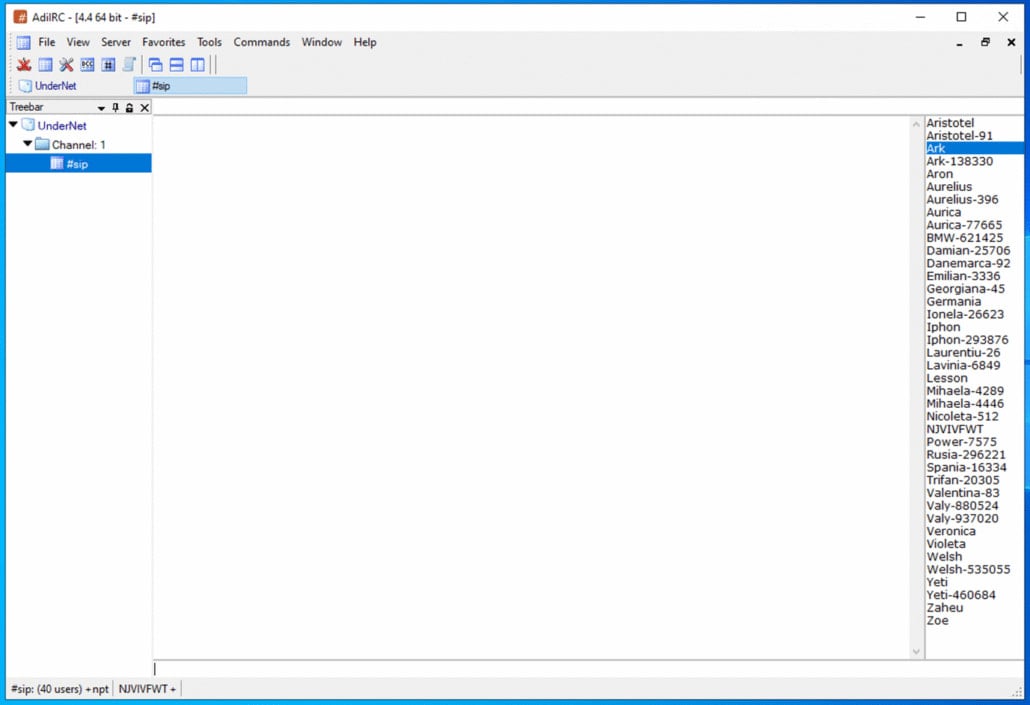
    The 'infected machines' IRC channel
    The ‘infected machines’ IRC channel
    Source: Flare

    SSHStalker achieves initial access through automated SSH scanning and brute forcing, using a Go binary that masquerades as the popular open-source network discovery utility nmap.

    Compromised hosts are then used to scan for additional SSH targets, which resembles a worm-like propagation mechanism for the botnet.

    Flare found a file with results from nearly 7,000 bot scans, all from January, and focused mostly on cloud hosting providers in Oracle Cloud infrastructure.

    Once SSHStalker infects a host, it downloads the GCC tool for compiling payloads on the victim device for better portability and evasion.

    The first payloads are C-based IRC bots with hard-coded C2 servers and channels, which enroll the new victim in the botnet’s IRC infrastructure.

    Next, the malware fetches archives named GS and bootbou, which contain bot variants for orchestration and execution sequencing.

    Persistence is achieved via cron jobs that run every 60 seconds, invoking a watchdog-style update mechanism that checks whether the main bot process is running and relaunches it if it is terminated.

    The botnet also contains exploits for 16 CVEs targeting Linux kernel versions from the 2009-2010 era. This is used to escalate privileges after the earlier brute-forcing step grants access to a low-privileged user.
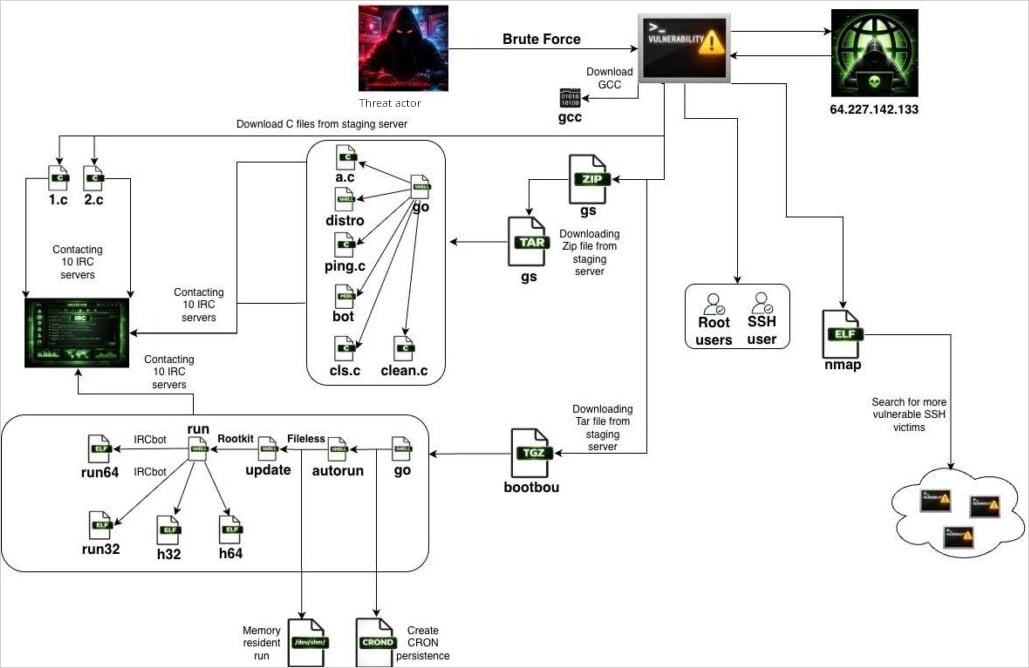
    Attack chain overview
    Attack chain overview
    Source: Flare

    Regarding monetization, Flare noticed that the botnet performs AWS key harvesting and website scanning. It also includes cryptomining kits such as the high-performance Ethereum miner PhoenixMiner.

    Distributed denial-of-service (DDoS) capabilities are also present, though the researchers noted they have not yet observed any such attacks. In fact, SSHStalker’s bots currently just connect to the C2 and then enter an idle state, suggesting testing or access hoarding for now.

    Flare has not attributed SSHStalker to a particular threat group, though it noted similarities with the Outlaw/Maxlas botnet ecosystem and various Romanian indicators.

    The threat intelligence company suggests placing monitoring solutions for compiler installation and execution on production servers, and alerts for IRC-style outbound connections. Cron jobs with short execution cycles from unusual paths are also big red flags.

    Mitigation recommendations include disabling SSH password authentication, removing compilers from production images, enforcing egress filtering, and restricting execution from ‘/dev/shm.’


    tines

    Modern IT infrastructure moves faster than manual workflows can handle.

    In this new Tines guide, learn how your team can reduce hidden manual delays, improve reliability through automated response, and build and scale intelligent workflows on top of tools you already use.

    Botnet comms IRC Linux oldschool SSHStalker
    Share. Facebook Twitter Pinterest LinkedIn Tumblr Telegram Email
    Previous ArticleNo One, Including Our Furry Friends, Will Be Safer in Ring’s Surveillance Nightmare
    Next Article Mark your calendars, Samsung just confirmed Feb. 25 as the Unpacked date
    admin
    • Website

    Related Posts

    University of Mississippi Medical Center reopens clinics after ransomware attack

    March 3, 2026

    Fake Google Security site uses PWA app to steal credentials, MFA codes

    March 2, 2026

    Vulnerability Allowed Hijacking Chrome’s Gemini Live AI Assistant

    March 2, 2026
    Add A Comment
    Leave A Reply Cancel Reply

    Search Blog
    About
    About

    At WifiPortal.tech, we share simple, easy-to-follow guides on cybersecurity, online privacy, and digital opportunities. Our goal is to help everyday users browse safely, protect personal data, and explore smart ways to earn online. Whether you’re new to the digital world or looking to strengthen your online knowledge, our content is here to keep you informed and secure.

    Trending Blogs

    11 Best Small Business Checking Accounts of March 2026

    March 3, 2026

    Voice Search Ads Are Changing Google’s Search Term Report

    March 3, 2026

    7 new horror movies on Netflix, Shudder, HBO Max, and more in March 2026

    March 3, 2026

    Intel aims advanced Xeon 6+ at AI edge computing

    March 3, 2026
    Categories
    • Blogging (32)
    • Cybersecurity (564)
    • Privacy & Online Earning (77)
    • SEO & Digital Marketing (353)
    • Tech Tools & Mobile / Apps (701)
    • WiFi / Internet & Networking (102)

    Subscribe to Updates

    Stay updated with the latest tips on cybersecurity, online privacy, and digital opportunities straight to your inbox.

    WifiPortal.tech is a blogging platform focused on cybersecurity, online privacy, and digital opportunities. We share easy-to-follow guides, tips, and resources to help you stay safe online and explore new ways of working in the digital world.

    Our Picks

    11 Best Small Business Checking Accounts of March 2026

    March 3, 2026

    Voice Search Ads Are Changing Google’s Search Term Report

    March 3, 2026

    7 new horror movies on Netflix, Shudder, HBO Max, and more in March 2026

    March 3, 2026
    Most Popular
    • 11 Best Small Business Checking Accounts of March 2026
    • Voice Search Ads Are Changing Google’s Search Term Report
    • 7 new horror movies on Netflix, Shudder, HBO Max, and more in March 2026
    • Intel aims advanced Xeon 6+ at AI edge computing
    • University of Mississippi Medical Center reopens clinics after ransomware attack
    • Google AI Overview Citations From Top-Ranking Pages Drop Sharply
    • Why I’m sticking with 7B models for my local dev environment (and you should too)
    • Fake Google Security site uses PWA app to steal credentials, MFA codes
    © 2026 WifiPortal.tech. Designed by WifiPortal.tech.
    • Home
    • About Us
    • Contact Us
    • Privacy Policy
    • Terms and Conditions
    • Disclaimer

    Type above and press Enter to search. Press Esc to cancel.