
Close Menu
    Facebook X (Twitter) Instagram
    Wifi PortalWifi Portal
    • Blogging
    • SEO & Digital Marketing
    • WiFi / Internet & Networking
    • Cybersecurity
    • Tech Tools & Mobile / Apps
    • Privacy & Online Earning
    Facebook X (Twitter) Instagram
    Wifi PortalWifi Portal
    Home»Cybersecurity»CodeHunter expands behavioral intent analysis to secure the software supply chain
    Cybersecurity

    CodeHunter expands behavioral intent analysis to secure the software supply chain

    adminBy adminFebruary 12, 2026No Comments3 Mins Read
    Facebook Twitter LinkedIn Telegram Pinterest Tumblr Reddit WhatsApp Email
    Tosi Platform delivers unified connectivity, visibility, and security for OT at scale
    Share
    Facebook Twitter LinkedIn Pinterest Email

    CodeHunter is expanding its behavioral intent technology beyond traditional malware analysis to address supply chain risk and security decision-making across the software development lifecycle (SDLC).
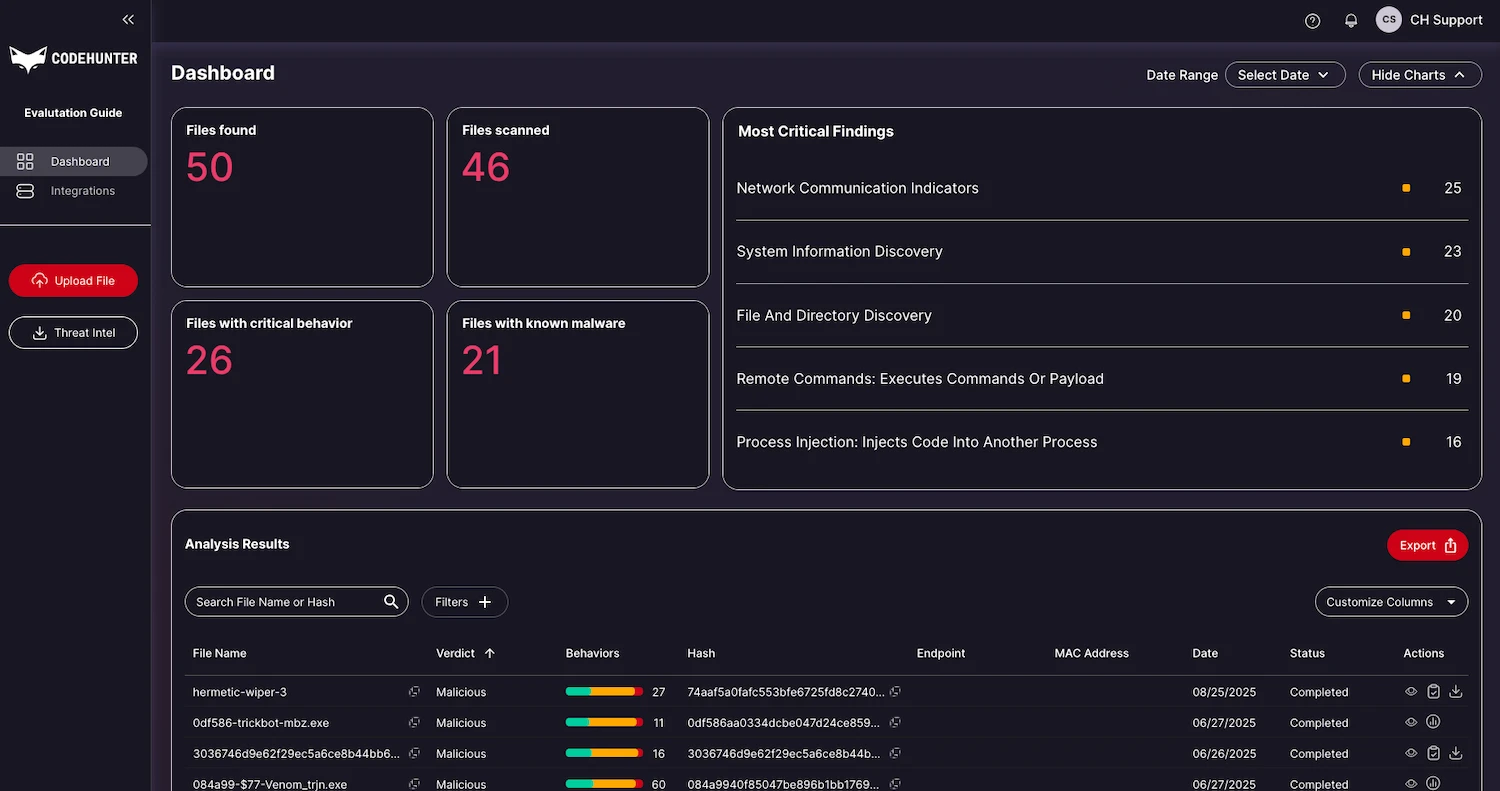
    behavioral malware analysis

    According to a recent Gartner report, “software supply chains transcend organizational boundaries and consist of external entities in addition to internal systems.” Gartner also warns that “improper artifact integrity validation allows attackers to poison the software delivery pipeline and compromise the software being delivered”.

    Originally built to overcome the limitations of signature-based malware detection, CodeHunter has focused from the outset on analyzing what software does, not just what it looks like. As automation, AI-generated malware, and complex software supply chains reshape attacker techniques, the company is aligning its platform to enable earlier, more reliable trust decisions across the complete software estate organizations build, acquire, and run.

    “Malware has changed, but so has how software enters the enterprise, with organizations now moving enormous volumes of runnable artifacts through CI/CD pipelines at machine speed,” said Chris O’Ferrell, CEO of CodeHunter. “This next phase for CodeHunter is about extending behavioral intent analysis upstream, so teams can prevent malicious or policy-violating software from executing in the first place, not just detect it after a compromise.”

    Establishing internal and external software trust

    CodeHunter’s platform analyzes inbound, internally developed, and third-party software artifacts using proprietary control-flow and behavioral analysis, automating the reverse engineering of malware, combined with curated rule sets and dynamic sandbox observations. The result is a Behavioral Intent Profile (BIP), a deterministic, explainable record of how an artifact is expected to behave and whether that behavior introduces security, operational, or compliance risk.

    Operationally, CodeHunter delivers a static verdict within minutes while running dynamic analysis in parallel, allowing teams to make fast decisions without relying solely on detonation windows or known-bad indicators.

    For example, a signed binary produced during a build or obtained from a trusted source can be evaluated before promotion to identify unexpected network activity, privilege escalation, or system modifications that violate policy, despite the artifact appearing benign and properly signed.

    CodeHunter’s BIPs can now be applied consistently across CI/CD pipelines, security operations, and production environments, enabling organizations to enforce policy decisions, such as allow, block, quarantine, or review, before software executes or propagates.

    Rather than replacing existing security tools, CodeHunter operates as an out-of-band analysis layer, integrating through APIs, connectors, and artifact submission workflows. Verdicts and behavioral context are returned directly into the tools teams already use, including CI/CD systems, SIEMs, SOAR and EDR platforms.

    Deterministic decisions for AI-driven threats

    While AI assists with malware discovery and improves analyst efficiency, CodeHunter’s enforcement decisions are intentionally deterministic and explainable, providing the consistency and auditability required for enterprise governance, compliance, and risk management.

    This approach addresses a growing challenge for security leaders: as AI-generated and mutating artifacts evade static indicators and sandboxing, organizations must assess behavior and intent earlier, before software is allowed to run.

    analysis behavioral Chain CodeHunter Expands intent secure software Supply
    Share. Facebook Twitter Pinterest LinkedIn Tumblr Telegram Email
    Previous ArticleThey are a ‘goldmine’ for free storage
    Next Article The Telegram App Has a New Look, and a Weird New Feature
    admin
    • Website

    Related Posts

    30 Alleged Members of ‘The Com’ Arrested in Project Compass

    March 3, 2026

    Google Develops Merkle Tree Certificates to Enable Quantum-Resistant HTTPS in Chrome

    March 3, 2026

    Meta AI in WhatsApp organizes chats and reopens privacy issues

    March 3, 2026
    Add A Comment
    Leave A Reply Cancel Reply

    Search Blog
    About
    About

    At WifiPortal.tech, we share simple, easy-to-follow guides on cybersecurity, online privacy, and digital opportunities. Our goal is to help everyday users browse safely, protect personal data, and explore smart ways to earn online. Whether you’re new to the digital world or looking to strengthen your online knowledge, our content is here to keep you informed and secure.

    Trending Blogs

    30 Alleged Members of ‘The Com’ Arrested in Project Compass

    March 3, 2026

    Samsung Sticker Center 2.7.03.34 by Samsung Electronics Co., Ltd.

    March 3, 2026

    Google Develops Merkle Tree Certificates to Enable Quantum-Resistant HTTPS in Chrome

    March 3, 2026

    EFF to Court: Don’t Make Embedding Illegal

    March 3, 2026
    Categories
    • Blogging (32)
    • Cybersecurity (567)
    • Privacy & Online Earning (78)
    • SEO & Digital Marketing (354)
    • Tech Tools & Mobile / Apps (703)
    • WiFi / Internet & Networking (102)

    Subscribe to Updates

    Stay updated with the latest tips on cybersecurity, online privacy, and digital opportunities straight to your inbox.

    WifiPortal.tech is a blogging platform focused on cybersecurity, online privacy, and digital opportunities. We share easy-to-follow guides, tips, and resources to help you stay safe online and explore new ways of working in the digital world.

    Our Picks

    30 Alleged Members of ‘The Com’ Arrested in Project Compass

    March 3, 2026

    Samsung Sticker Center 2.7.03.34 by Samsung Electronics Co., Ltd.

    March 3, 2026

    Google Develops Merkle Tree Certificates to Enable Quantum-Resistant HTTPS in Chrome

    March 3, 2026
    Most Popular
    • 30 Alleged Members of ‘The Com’ Arrested in Project Compass
    • Samsung Sticker Center 2.7.03.34 by Samsung Electronics Co., Ltd.
    • Google Develops Merkle Tree Certificates to Enable Quantum-Resistant HTTPS in Chrome
    • EFF to Court: Don’t Make Embedding Illegal
    • Google uses both schema.org markup and og:image meta tag for thumbnails in Google Search and Discover
    • 5 phones that are better than the Google Pixel 10a
    • Meta AI in WhatsApp organizes chats and reopens privacy issues
    • 11 Best Small Business Checking Accounts of March 2026
    © 2026 WifiPortal.tech. Designed by WifiPortal.tech.
    • Home
    • About Us
    • Contact Us
    • Privacy Policy
    • Terms and Conditions
    • Disclaimer

    Type above and press Enter to search. Press Esc to cancel.