

If you want to overthrow Big Tech, you’ll need Section 230. The paradigm shift being built with the Open Social Web can put communities back in control of social media infrastructure, and finally end our dependency on enshitified corporate giants. But while these incumbents can overcome multimillion-dollar lawsuits, the small host revolution could be picked off one by one without the protections offered by 230.
The internet as we know it is built on Section 230, a law from the 90s that generally says internet users are legally responsible for their own speech — not the services hosting their speech. The purpose of 230 was to enable diverse forums for speech online, which defined the early internet. These scattered online communities have since been largely captured by a handful of multi-billion dollar companies that found profit in controlling your voice online. While critics are rightly concerned about this new corporate influence and surveillance, some look to diminishing Section 230 as the nuclear option to regain control.
The thing is, that would be a huge gift to Big Tech, and detrimental to our best shot at actually undermining corporate and state control of speech online.
Dethroning Big Tech
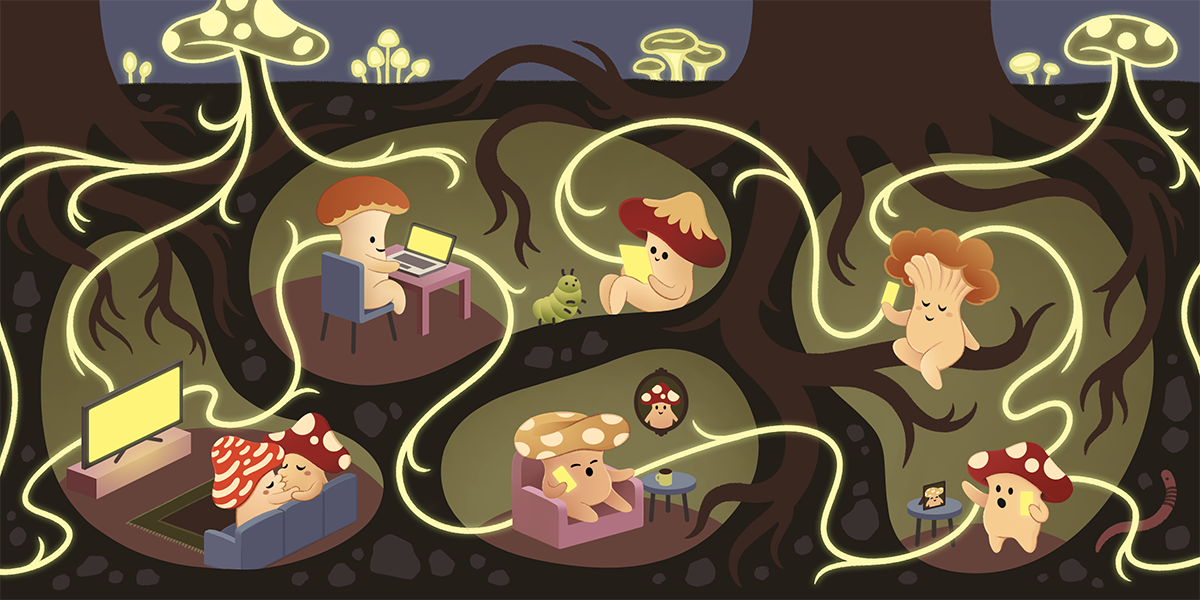
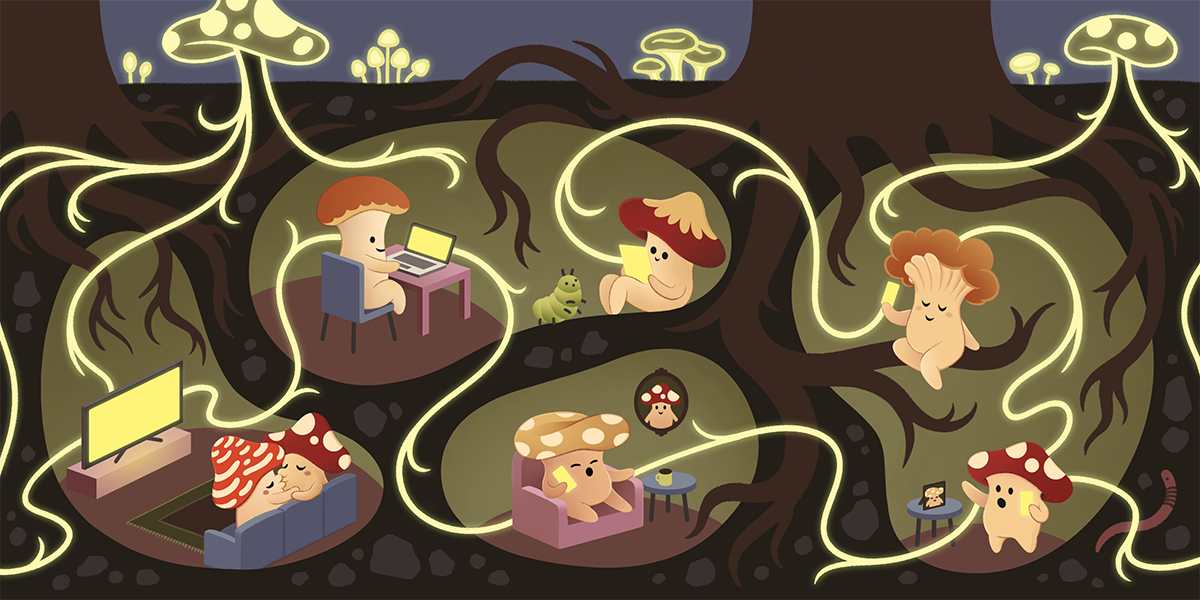
We’re fed up with legacy social media trapping us in walled gardens, where the world’s biggest companies like Google and Meta call the shots. Our communities, and our voices, are being held hostage as billionaires’ platforms surveil, betray, and censor us. We’re not alone in this frustration, and fortunately, people are collaborating globally to build another way forward: the Open Social Web.
This new infrastructure puts the public’s interest first by reclaiming the principles of interoperability and decentralization from the early internet. In short, it puts protocols over platforms and lets people own their connections with others. Whether you choose a Fediverse app like Mastodon or an ATmosphere app like Bluesky, your audience and community stay within reach. It’s a vision of social media akin to our lives offline: you decide who to be in touch with and how, and no central authority can threaten to snuff out those connections. It’s social media for humans, not advertisers and authoritarians.
Behind that vision is a beautiful mess of protocols bringing the open social media web to life. Each protocol is a unique language for applications, determining how and where messages are sent. While this means there is great variety to these projects, it also means everyone who spins up a server, develops an app, or otherwise hosts others’ speech has skin in the game when it comes to defending Section 230.
What exactly is Section 230?
Section 230 protects freedom of expression online by protecting US intermediaries that make the internet work. Passed in 1996 to preserve the new bubbling communities online, 230 enshrined important protections for free expression and the ability to block or filter speech you don’t want on your site. One portion is credited as the “26 words that created the internet”:
“No provider or user of an interactive computer service shall be treated as the publisher or speaker of any information provided by another information content provider.”
In other words, this bipartisan law recognizes that speech online relies on intermediaries — services that deliver messages between users — and holding them potentially liable for any message they deliver would only stifle that speech. Intuitively, when harmful speech occurs, the speaker should be the one held accountable. The effect is that most civil suits against users and services based on others’ speech can quickly be dismissed, avoiding the most expensive parts of civil litigation.
Section 230 was never a license to host anything online, however. It does not protect companies that create illegal or harmful content. Nor does Section 230 protect companies from intellectual property claims.
What Section 230 has enabled, however, is the freedom and flexibility for online communities to self-organize. Without the specter of one bad actor exposing the host(s) to serious legal threats, intermediaries can moderate how they see fit or even defer to volunteers within these communities.
Why the Open Social Web Needs Section 230
The superpower of decentralized systems like the Fediverse is the ability for thousands of small hosts to each shoulder some of the burdens of hosting. No single site can assert itself as a necessary intermediary for everyone; instead, all must collaborate to ensure messages reach the intended audience. The result is something superior to any one design or mandate. It is an ecosystem that is greater than the sum of its parts, resilient to disruptions, and free to experiment with different approaches to community governance.
The open social web’s kryptonite though, is the liability participants can face as intermediaries. The greater the potential liability, the more interference from powerful interests in the form of legal threats, more monetary costs, and less space for nuance in moderation. And in practice, participants may simply stop hosting to avoid those risks. The end result is only the biggest and most resourced options can survive.
This isn’t just about the hosts in the Open Social Web, like Mastodon instances or Bluesky PDSes. In the U.S., Section 230’s protections extend to internet users when they distribute another person’s speech. For example, Section 230 protects a user who forwards an email with a defamatory statement. On the open social web, that means when you pass along a message to others through sharing, boosting, and quoting, you’re not liable for the other user’s speech. The alternative would be a web where one misclick could open you up to a defamation lawsuit.
Section 230 also applies to the infrastructure stack, too, like Internet service providers, content delivery networks, domain, and hosting providers. Protections even extend to the new experimental infrastructures of decentralized mesh networks.
Beyond the existential risks to the feasibility of indie decentralized projects in the United States, weakening 230 protections would also make services worse. Being able to customize your social media experience from highly curated to totally laissez-faire in the open social web is only possible when the law allows space for private experiments in moderation approaches. The algorithmically driven firehose forced on users by antiquated social media giants is driven by the financial interests of advertisers, and would only be more tightly controlled in a post-230 world.
Defending 230
Laws aimed at changing 230 protections put decentralized projects like the open social web in a uniquely precarious position. That is why we urge lawmakers to take careful consideration of these impacts. It is also why the proponents and builders of a better web must be vigilant defenders of the legal tools that make their work possible.
The open social web embodies what we are protecting with Section 230. It’s our best chance at building a truly democratic public interest internet, where communities are in control.
