

Let’s say you’re considering a $150 smart display for your nightstand or kitchen, but the interface just feels laggy when you test it out. The screen looks washed out, and it’s essentially a locked-down advertising billboard for the manufacturer. Why should you have to view ads in your own home on hardware that you own?
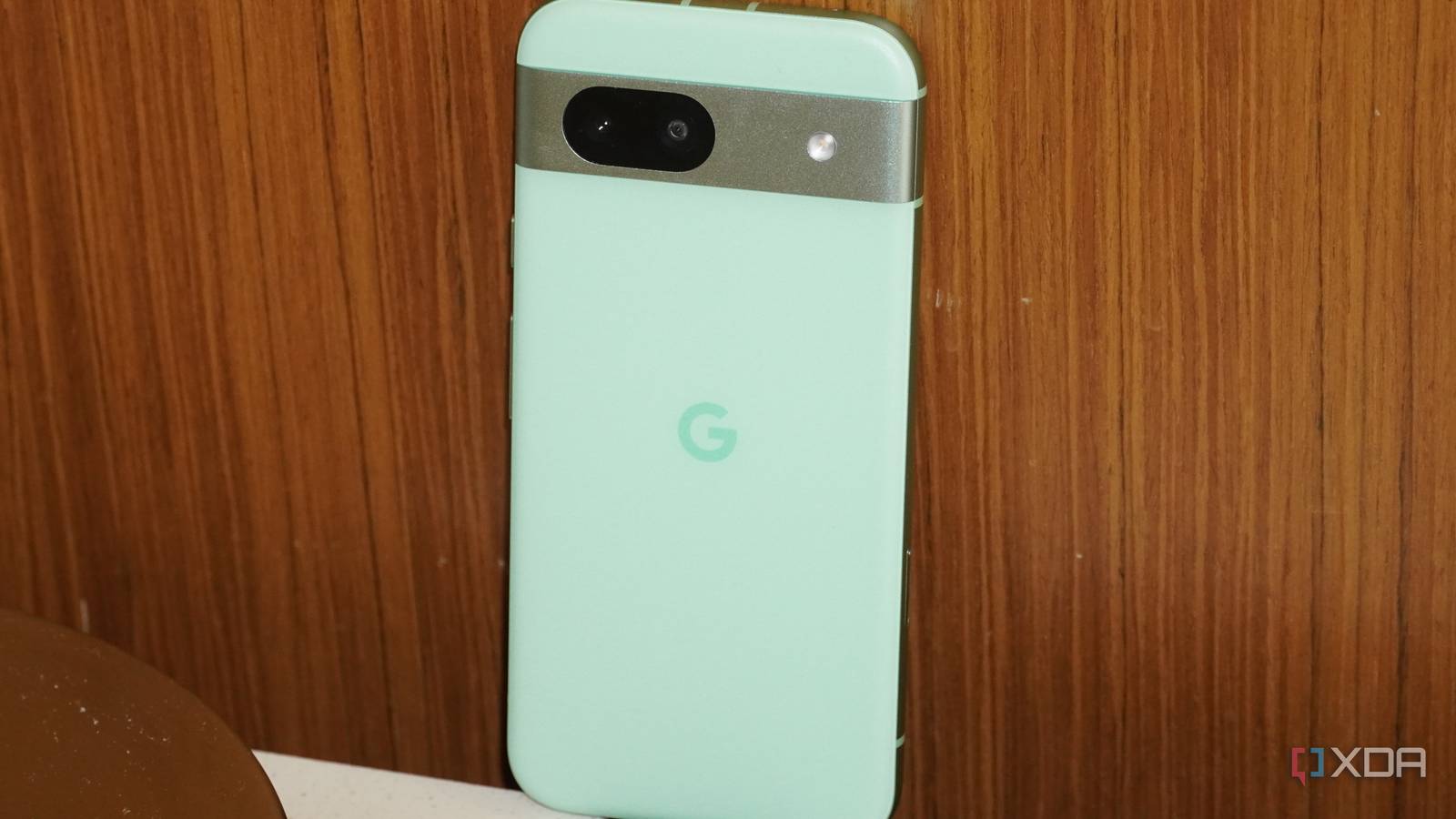
The irony here is that you probably have a three-year-old flagship phone in your drawer that features a 120 Hz AMOLED display, a Snapdragon 8 series processor, and a high-res camera. All specs that dwarf the hardware inside a brand new Echo Show or Google Nest Hub. Dedicated smart displays are budget tablets in speakers’ clothing. Your old phone is a high-performance computer that, with 10 minutes of setup, can outperform them in speed, privacy, and visual quality.
While companies like Amazon and Google have dominated the kitchen counter with dedicated smart displays, these devices are notoriously underpowered. In 2026, an old flagship phone like a Galaxy S21 or even a Google Pixel 6 isn’t just a budget alternative; it’s a superior computing node in almost every measurable way.

Smart TVs keep getting worse, so I use an old TV with a Chromecast instead
Old tech is seemingly always better
A phone is so much better
Better specs for free? Count me in
So what is the actual hardware gap when you compare an old phone to a smart home display or hub? Most smart displays really fall behind, even when compared to phones that are years old.
First of all, the display itself: most smart displays use 720p or 800p LCD panels with low peak brightness, but an old flagship phone can offer 1080p plus AMOLED with infinite contrast (obviously depending on the model). This is perfect for a bedside clock that doesn’t glow in the dark or display weird grey shadows when it’s actually supposed to be off.
The processor itself is significantly better too. The Echo Show 8 uses a mid-range MediaTek chip that struggles with multitasking, but your old phone probably has a high-tier Arm SOC that can handle background apps, video calls, and dashboard updates without breaking a sweat. Think about how many applications you used to run at once when using your old phone, and it probably wasn’t buckling.
Lastly, lets talk about the camera. Dedicated displays often have a 5MP or 13MP webcam-quality sensor, but your old phone’s 50MP main sensor or 12MP front sensor offers better HDR, low-light performance, and face tracking.
But even despite all of this, the way in which your phone really and truly shines and wins as a smart home device is the array of sensors that are available to you through it. A phone has so many sensors, including, a GPS, an accelerometer, a gyroscope, an ambient light sensor and a proximity sensor all baked in.
All of these sensors have a range of different use cases depending on what you’re planning to use your phone for and where you’re going to be keeping it. You can use your phone’s proximity sensor to wake the screen only when you walk near it, or you can use the light sensor to automatically dim your smart lights when the sun comes out. Without buying extra Zigbee sensors or different automations on the table, you have access to all of these sensors without having to even spend an extra penny.
Using the Home Assistant Companion app, the phone can also act as a Bluetooth tracker, signaling your house to turn on the office as soon as your smartwatch or headphones come within range of that specific phone.
You don’t need to see more ads
A phone allows for full customization

Another factor to consider is that your phone is probably a lot better when it comes to software implementations too. When you use your phone, you don’t have to worry about ads. So many dedicated smart home displays are becoming increasingly filled with sponsored content and forced recommendations. You might ask Alexa a question, and while she gives you the response you are looking for, she might follow up with an advert straight after, or your smart display screen itself might flash up an ad every now and then, like a mini billboard in your own home.
You also get total customization when using a phone. On an Android phone, you choose the UI. You can use full kiosk browsers or a Home Assistant dashboard to create a 100% bespoke control panel, whatever you want to look at. There’s also the ability to run multiple apps at once. Let’s say you want to run Spotify, YouTube, your security camera feed, and a digital photo frame simultaneously. A phone can do that with no issue. A nest hub will often kill background apps to save its RAM.
When the power flickers, a Nest Hub dies, but your old phone has a built-in UPS (that’s its battery). This means it will stay online. Your alarms still go off, and your automation logic remains intact. You don’t have to worry about your phone losing contact with your home.
It is also super easy to mount a phone compared to a bulky display. You can use a simple MagSafe-style magnetic sticker on the back of the phone and a magnetic mount on your kitchen tile for a floating look that can still be removed in a second.
A smart display isn’t a very good investment
Use the tech you already own
If you need a loud speaker for a party, then buy a dedicated smart speaker, but if you want an actual smart display for information, control, and intelligence, then it’s likely that your trash is actually the treasure. An old phone that sat at the back of a junk drawer can be a much better smart home hub or display than a dedicated version. It’s best to stop buying underpowered plastic boxes and start reclaiming the high-end hardware that you already own.
