

Summary
- Linux 7.0 was released after extra bugfixes; Linus deemed the changes were small enough to proceed.
- CachyOS ships Linux 7.0 before most distros, adding some 7.1 tweaks like Intel FRED default and a new NTFS driver.
- CachyOS primarily targets performance, making it a great pick for gamers and people who want more from their hardware.
After a few worrying release candidates, Linus released the Linux 7.0 kernel a few days ago. While there seemed to be more bug fixes than usual during the preview builds, Linus felt that the changes were small enough not to warrant a delay. He also believes the increase in fixes was due to AI assistants getting better at finding problems in the code, which is valid.
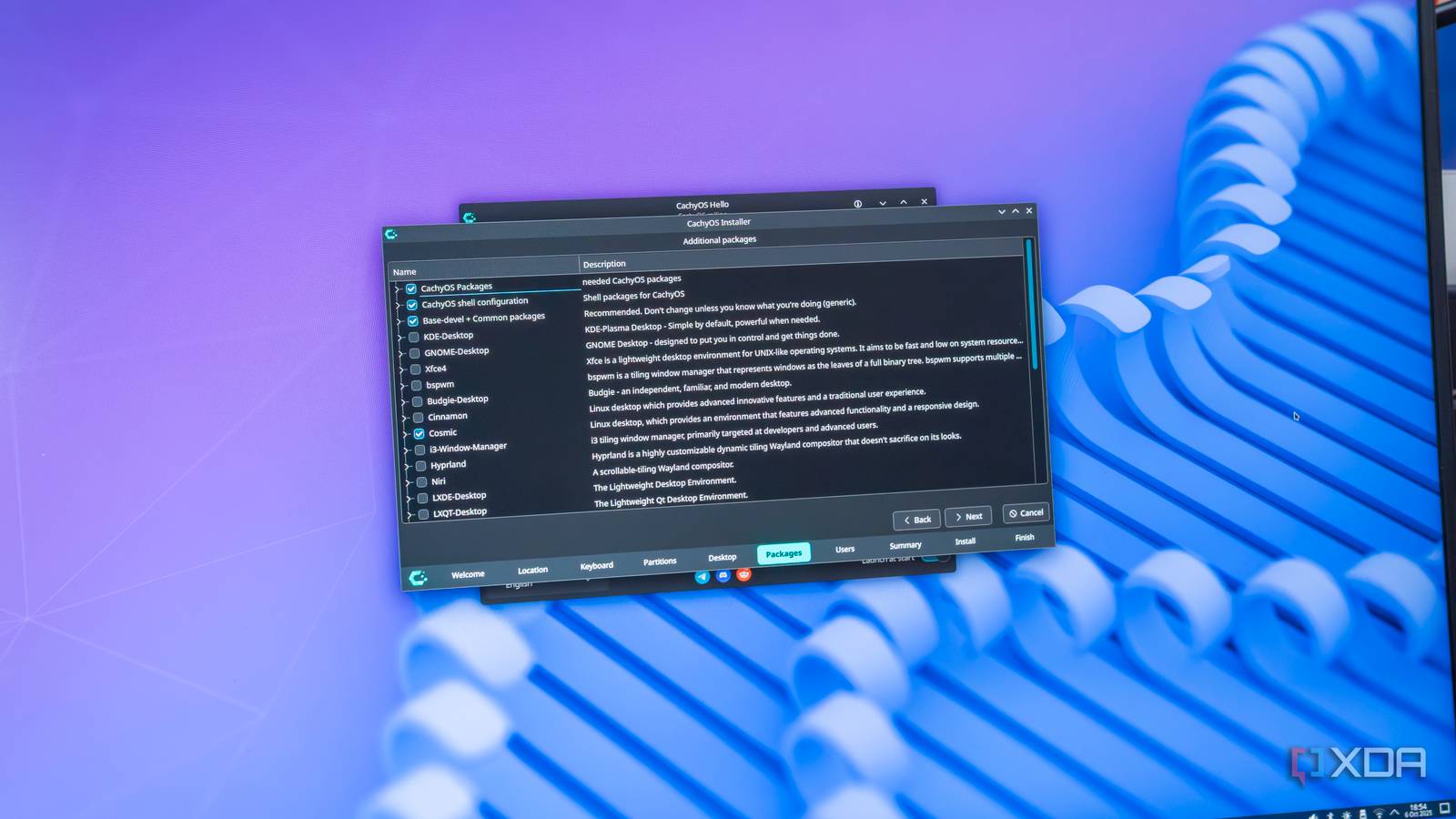
If you want to give Linux 7.0 a try, CachyOS is one of the very first distros to bring it into the fold. Not only that, but the CachyOS team has managed to squeeze in a few tweaks from 7.1, too.

CachyOS is dethroning Windows at the one thing it owned for decades
It’s no longer the absolute king of gaming.
You can give it a spin right now

As reported by Phoronix, the Linux 7.0 kernel has just arrived on CachyOS. Before you get too excited, the increase in version number doesn’t signal a huge shift in the kernel; it’s just that Linus felt that Linux 6.19 was a number too high for his liking, so he decided to reset the counter with version 7.0.
However, CachyOS’s version of Linux 7.0 has a few tweaks brought over from 7.1. For example, Intel Core Ultra Series 3 owners will find that the OS will enable Intel FRED by default, which should boost performance. The developers also mention “the new NTFS driver,” which should make dual-booting Windows and Linux less of a headache and boost data transfer rates between the two drives.
If you’ve never heard of CachyOS before, it’s a performance-based distro that gamers often gravitate to for better framerates. That doesn’t mean that only gamers will enjoy it, though. In fact, we found that the performance gains are great for everyday tools, too.

CachyOS has a one-click Windows VM button, and dual-booting feels completely outdated
This Arch derivative makes Windows feel like a temporary tool rather than a second life, and that’s exactly why dual-booting now feels outdated.
