
Close Menu
    Facebook X (Twitter) Instagram
    Wifi PortalWifi Portal
    • Blogging
    • SEO & Digital Marketing
    • WiFi / Internet & Networking
    • Cybersecurity
    • Tech Tools & Mobile / Apps
    • Privacy & Online Earning
    Facebook X (Twitter) Instagram
    Wifi PortalWifi Portal
    Home»Tech Tools & Mobile / Apps»eSIM was supposed to replace SIM cards, but carriers turned it into a trap
    Tech Tools & Mobile / Apps

    eSIM was supposed to replace SIM cards, but carriers turned it into a trap

    adminBy adminApril 19, 2026No Comments4 Mins Read
    Facebook Twitter LinkedIn Telegram Pinterest Tumblr Reddit WhatsApp Email
    eSIM was supposed to replace SIM cards, but carriers turned it into a trap
    Share
    Facebook Twitter LinkedIn Pinterest Email

    SIM cards are a relic of an age where multiple people had to share a single phone, and the cards themselves were enormous. These days, SIM cards are tiny and technically unnecessary thanks to the rise of eSIMs.

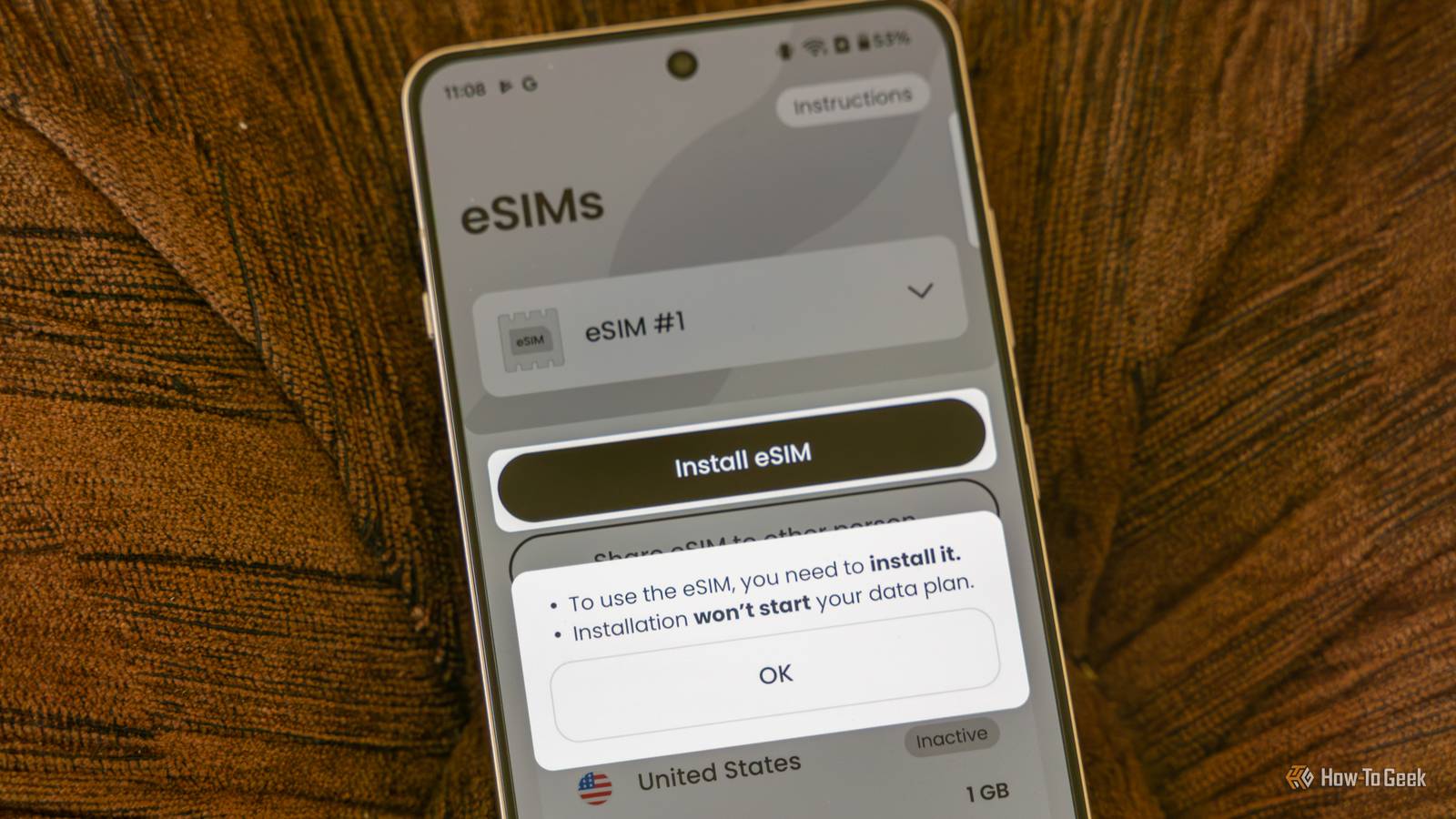
    These virtual SIM cards were meant to make using a cellular connection about as easy as logging in to someone’s Wi-Fi, while removing all the physical SIM card headaches we’ve grudgingly learned to live with. The thing is, for every problem eSIM technology promised to solve, it brought its own as a replacement.

    eSIM promised frictionless switching, but carriers kept the friction

    A new invisible prison

    The most exciting promise of eSIM technology was that you’d be free of physical SIM cards linking your phone to a specific network. In the past, for example, when I traveled abroad, I had to buy a local SIM card at my destination airport rather than pay the extortionate roaming charges of my contract provider. I’d put my contract SIM in the hotel safe, or otherwise ensure that I wouldn’t lose it. Then swapped back when I got home.

    With an eSIM, that process is indeed much better. I can even sign up with an eSIM service like Saily, which offers seamless switching when you visit certain countries without the silly roaming costs.

    But, how little friction you have when setting up or switching between eSIMs is still entirely up to the provider in question. So, in many cases, you still have to jump through numerous hoops when activating and managing eSIMs. Even worse, if you have a carrier-locked phone eSIMs from other networks still won’t work.

    Moving your number between phones is now more complicated

    It’s a joint decision

    An illustration of a phone with eSIM support. Credit: Fit Ztudio/Shutterstock.com

    I just switched from my old iPhone 14 Pro to a new Samsung Galaxy S25 Ultra, and, as usual, the process was as simple as popping the SIM out of the old phone and putting it into the new. My number is tied to that SIM card and as long as the SIM itself is functional, I can keep going without any help.

    But with an eSIM if my old phone is broken or stolen, it complicates things significantly, and in many cases just a regular transfer from one phone to another can involve multiple steps that can even require a call to customer support. Of course, since eSIMs remove the security of a physical SIM it’s necessary to have some friction in place to prevent virtual SIM-swap fraud. And, of course, physical SIM swap scams happen too.

    Maybe it’s not a huge deal if you’re only changing phones every few years, but for a certain group of people this extra friction is a good reason to avoid eSIMs.

    The idea is still good, but the ecosystem isn’t ready

    Caught in the SIM paradigm

    In the end, the idea of eSIMs is a good one, but in practice it’s not yet ready to fulfill the promise of a fully digital cellular access system. At the very least, we need some sort of universal standard for what the sign-up and transfer process is for eSIMs.

    Ideally, there should be no reliance on a third party to stand in your way, and a device-to-device eSIM feature should be standard in my opinion. In particular, moving eSIMs from iPhone to Android and vice versa needs to be a simpler process.

    Carrier restrictions that have come over from physical SIMs to eSIMs need to be rethought. Switching between eSIMs on the same device could do with some more refinement, if you ask me.

    To be honest, what I’m really hoping for is a system that isn’t just a digital copy of how physical SIM cards operate. I want a future where you can switch on a phone, scan for available carriers and just sign up with a username and password. Just like Wi-Fi in a coffee shop. We’ve moved beyond needing SIM cards and phone numbers as factors for authentication. With technologies like passkeys now a reality, there has to be a better way to handle mobile subscriptions.

    cards carriers eSIM replace SIM supposed trap turned
    Share. Facebook Twitter Pinterest LinkedIn Tumblr Telegram Email
    Previous ArticleVercel confirms breach as hackers claim to be selling stolen data
    Next Article Social media bans might steer kids into riskier corners of the internet
    admin
    • Website

    Related Posts

    Apple AirPods Pro 3 review: A masterclass in sound, a lesson in lock-in

    April 19, 2026

    Samsung Galaxy S23 Ultra versus vivo X300 Ultra

    April 19, 2026

    Here’s How Netflix Plans to Add TikTok-Style Videos to Its Mobile App

    April 19, 2026
    Add A Comment
    Leave A Reply Cancel Reply

    Search Blog
    About
    About

    At WifiPortal.tech, we share simple, easy-to-follow guides on cybersecurity, online privacy, and digital opportunities. Our goal is to help everyday users browse safely, protect personal data, and explore smart ways to earn online. Whether you’re new to the digital world or looking to strengthen your online knowledge, our content is here to keep you informed and secure.

    Trending Blogs

    Apple account change alerts abused to send phishing emails

    April 19, 2026

    Apple AirPods Pro 3 review: A masterclass in sound, a lesson in lock-in

    April 19, 2026

    Samsung Galaxy S23 Ultra versus vivo X300 Ultra

    April 19, 2026

    Here’s How Netflix Plans to Add TikTok-Style Videos to Its Mobile App

    April 19, 2026
    Categories
    • Blogging (65)
    • Cybersecurity (1,403)
    • Privacy & Online Earning (172)
    • SEO & Digital Marketing (850)
    • Tech Tools & Mobile / Apps (1,681)
    • WiFi / Internet & Networking (232)

    Subscribe to Updates

    Stay updated with the latest tips on cybersecurity, online privacy, and digital opportunities straight to your inbox.

    WifiPortal.tech is a blogging platform focused on cybersecurity, online privacy, and digital opportunities. We share easy-to-follow guides, tips, and resources to help you stay safe online and explore new ways of working in the digital world.

    Our Picks

    Apple account change alerts abused to send phishing emails

    April 19, 2026

    Apple AirPods Pro 3 review: A masterclass in sound, a lesson in lock-in

    April 19, 2026

    Samsung Galaxy S23 Ultra versus vivo X300 Ultra

    April 19, 2026
    Most Popular
    • Apple account change alerts abused to send phishing emails
    • Apple AirPods Pro 3 review: A masterclass in sound, a lesson in lock-in
    • Samsung Galaxy S23 Ultra versus vivo X300 Ultra
    • Here’s How Netflix Plans to Add TikTok-Style Videos to Its Mobile App
    • Social media bans might steer kids into riskier corners of the internet
    • eSIM was supposed to replace SIM cards, but carriers turned it into a trap
    • Vercel confirms breach as hackers claim to be selling stolen data
    • I used a simple Linux command to watch what apps do to my files in real time
    © 2026 WifiPortal.tech. Designed by WifiPortal.tech.
    • Home
    • About Us
    • Contact Us
    • Privacy Policy
    • Terms and Conditions
    • Disclaimer

    Type above and press Enter to search. Press Esc to cancel.