

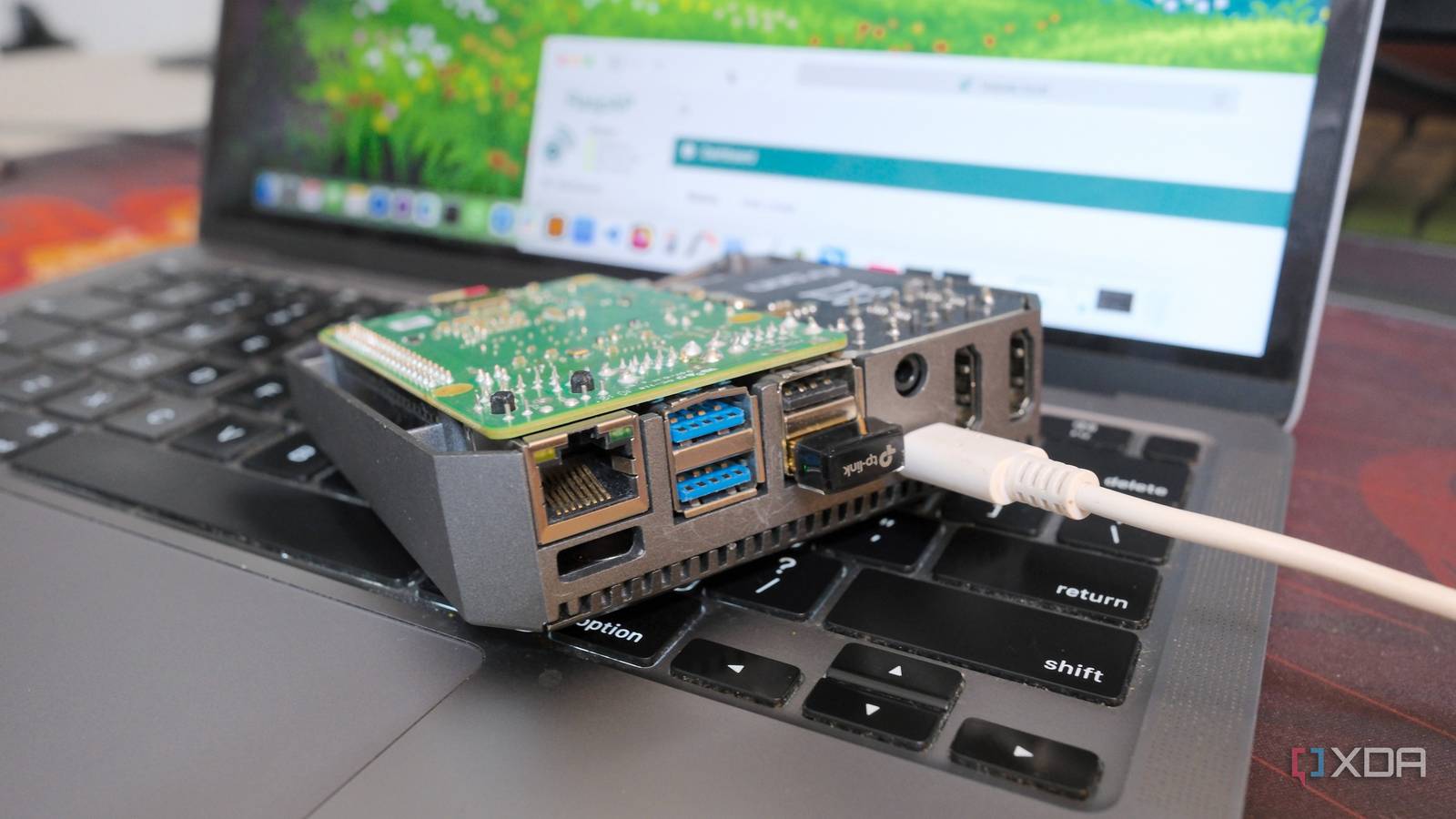
As a hobbyist, I love experimenting with SBCs and microcontrollers. However, the launch of Raspberry Pi 4 with 3GB of RAM has bamboozled me. The new Pi model joins an already bloated lineup. It was introduced at $84 on April 1, 2026 — I had to investigate if it was a joke. Sadly, it isn’t.
Over the years, I worked on several projects involving my 4GB Pi 4. For most projects, 4GB still remains to be a sweet spot. Considering the rising memory costs, the price hike for other Pi models is understandable. Yet, introducing a 3GB model amidst the memory crisis is something that’s hard to comprehend.
A Pi lineup destined to confuse
Too many variants

Raspberry Pi already has several Pi models — Pi 5, Pi 4, Compute Module 5, Pi 400, Pi 500, Pi Zero 2 W, Pi Pico, and others. The latest Pi 4 model comes in five memory configurations: 1GB, 2GB, 3GB, 4GB, and 8GB.
Today, if any newcomer asks, “Which Pi model should I buy?” That question is hard to answer regarding memory configurations. The usual recommendation is still valid: 2GB for a tight budget, 4GB for most projects, and 8GB for decent memory headroom. Yet it is hard to justify the existence of a 3GB version.
Meanwhile, Pi 5 also got a 1GB variant in December 2025. Choosing a Pi model under $100 is nerve-wracking. The product lineup pricing across aging hardware capabilities forces buyers into endless calculations. Besides, you need to pay extra for storage, case, power supply, and other peripherals.

I stopped recommending Raspberry Pis for most projects, here’s what I suggest instead
Mini PC checks out for most projects.
When the math of Pi lineup prices doesn’t add up
Did anyone ask for this model?

In 2026, Pi is losing its footing among hobbyists. This memory fragmentation driven by marginal price gaps is strangely familiar. It’s straight from Apple and smartphone makers’ playbooks. Offer a memory-constrained base model and create calculated price gaps to make upgrades feel smart. So you might consider doubling the memory by not spending too much.
Now, Raspberry Pi takes a leaf from the very margin-maximizing playbook to bring memory tiers. It’s surprising that ‘computing for everyone’ is mimicking Apple’s premium positioning.
With the April 2026 price increase, the 4GB Pi 4 model costs $100 (launch price $55). The 2GB variant costs $55 (launch price $45). The new 3GB variant sits between them at $84. Meanwhile, the 1GB Pi 5 costs $45, and the 2GB one costs $65. Figuring out the pricing matrix purely on memory segmentation is a headache.
The company cites the relentless AI bubble driving up memory prices, and that’s nothing new. Their only saving grace is the promise to adjust the price when the memory madness simmers down. Frankly, not happening anytime soon. Not holding my breath for that.
Choosing the right Pi model has gotten more confusing
Trying to find the sweet spot
Setting price aside for a moment, the classic recommendation formula still works. For starters, a Pi 4 with 2GB of memory is suitable for lightweight, focused projects like running Pi-Hole, running web servers, or building a retro gaming console.
Meanwhile, the 4GB variant lets you run media servers, web development, install Docker containers, or work as a desktop. If you need headroom, the 8GB is the way to go.
Should I pick a 2GB Pi 5 to use as a dedicated Pi-Hole device? Well, the Pi Zero 2 W is perfect for that instead. Your project dictates which model makes sense. Yet the classic dilemma of whether to pick Pi 5 over Pi 4 persists.
Where does the 3GB Pi 4 sit?
Aiming for the odd spot

Honestly, the 3GB appears like a middle ground. It targets robotics and embedded applications that have specific memory requirements. But those developers prefer to have some wiggle room for reliability. No one gambles on memory being just enough.
For many end users, it’s decision paralysis. Will all your projects run on it, or will you regret not spending the extra $16 to buy a higher-tier model? If a model makes you question that, then it’s already a poor option.
The Pi community values reliability and headroom. Unfortunately, the 3GB fails to offer either. Besides, the timing makes it worse. The used mini PCs sell for $100-$150 and offer better performance than any Pi model. For IoT projects, the ESP32 microcontrollers cost less than $10 and can handle a surprising variety of tasks.

My Raspberry Pi is at its best when it does exactly one thing
Pick a task and stick to it
One small misstep for a Pi, a giant pain for hobbyists
Raspberry Pi’s greatest strength is its community-powered ecosystem at tighter margins. However, the launch of the 3GB memory model reveals the shift from community-first principles to a corporate strategy — after all, they’re a listed company.
Will the 3GB model kill the Pi? Not likely. However, it adds a level of complexity that hobbyists inherit, and it doesn’t even solve any problems. Besides, how many developers will target the 3GB models for their projects? Exactly zero. It’s unclear how exactly it serves the community.
