


Close Menu
    Facebook X (Twitter) Instagram
    Wifi PortalWifi Portal
    • Blogging
    • SEO & Digital Marketing
    • WiFi / Internet & Networking
    • Cybersecurity
    • Tech Tools & Mobile / Apps
    • Privacy & Online Earning
    Facebook X (Twitter) Instagram
    Wifi PortalWifi Portal
    Home»Cybersecurity»New RoadK1ll WebSocket implant used to pivot on breached networks
    Cybersecurity

    New RoadK1ll WebSocket implant used to pivot on breached networks

    adminBy adminMarch 31, 2026No Comments3 Mins Read
    Facebook Twitter LinkedIn Telegram Pinterest Tumblr Reddit WhatsApp Email
    New RoadK1ll WebSocket implant used to pivot on breached networks
    Share
    Facebook Twitter LinkedIn Pinterest Email

    New RoadK1ll WebSocket implant used to pivot on breached networks

    A newly identified malicious implant named RoadK1ll is enabling threat actors to quietly move from a compromised host to other systems on the network.

    The malware is a Node.js implant that communicates over a custom WebSocket protocol to sustain ongoing attacker access and enable further operations.

    RoadK1ll was discovered by managed detection and response (MDR) provider Blackpoint during an incident response engagement.

    The researchers describe it as a lightweight reverse tunneling implant that blends into normal network activity and turns an infected machine into a relay point for the attacker.

    “Its sole function is to convert a single compromised machine into a controllable relay point, an access amplifier, through which an operator can pivot to internal systems, services, and network segments that would otherwise be unreachable from outside the perimeter,” Blackpoint says.

    RoadK1ll does not rely on an inbound listener on the compromised host. It establishes an outbound WebSocket connection to attacker-controlled infrastructure, which is then used as a tunnel to relay TCP traffic on demand.

    This approach allows the attacker to remain undetected for a longer period and forward traffic to internal systems through a single WebSocket tunnel.

    “The attacker can instruct RoadK1ll to open connections to internal services, management interfaces, or other hosts that are not directly exposed externally,” Blackpoint says.

    “Because these connections originate from the compromised machine, they inherit its network trust and positioning, effectively bypassing perimeter controls.”

    Furthermore, RoadK1ll supports multiple concurrent connections over the same tunnel, allowing its operator to communicate with several destinations at once.

    According to the researchers, the malware supports a small set of commands, which include:

    • CONNECT – Instructs the implant to open a TCP connection to a specified host and port
    • DATA – Forwards raw traffic through an active connection
    • CONNECTED – Confirms that a requested connection was successfully established
    • CLOSE – Terminates an active connection
    • ERROR – Returns failure information to the operator

    The CONNECT command triggers RoadK1ll’s primary function: initiating an outbound TCP connection to an adjacent target, extending the attacker’s reach into the compromised network.
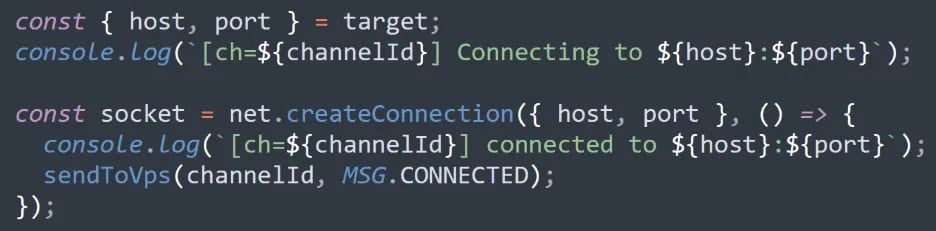
    Pivoting to accessible systems
    Pivoting to accessible systems
    Source: Blackpoint

    If the channel is interrupted, the tool attempts to restore the WebSocket tunnel using a re-connection mechanism, allowing the attackers to maintain persistent access without generating noise through manual intervention.
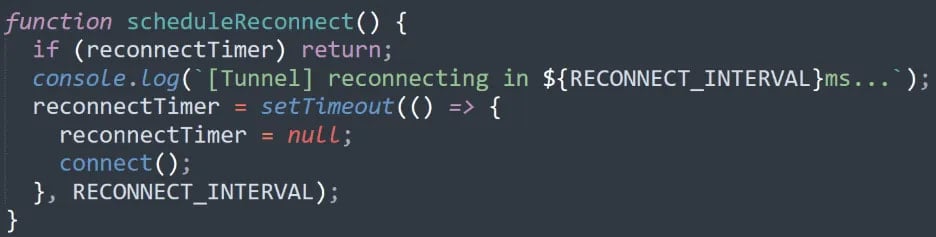
    Reconnection mechanism
    Reconnection mechanism
    Source: Blackpoint

    However, Blackpoint notes that RoadK1ll lacks a traditional persistence mechanism that uses registry keys, scheduled tasks, or services. Instead, it operates only as long as its process remains alive.

    Despite this, the researchers say that the malware “shows a more modern and purpose-built implementation” of covert communication that makes it flexible, efficient, and easy to deploy.

    It also allows the threat actor to move to internal systems and segments of the environment that are not reachable from outside the network.

    Blackpoint provides a small set of host-based indicators of compromise that includes a hash for RoadK1ll and an IP address used by the threat actor for communication with the implant.


    tines

    Automated pentesting proves the path exists. BAS proves whether your controls stop it. Most teams run one without the other.

    This whitepaper maps six validation surfaces, shows where coverage ends, and provides practitioners with three diagnostic questions for any tool evaluation.

    breached Implant networks Pivot RoadK1ll WebSocket
    Share. Facebook Twitter Pinterest LinkedIn Tumblr Telegram Email
    Previous ArticleReddit Pro opens to all publishers, adds new features in public beta
    Next Article Android Auto bug streak continues with missing signal icon
    admin
    • Website

    Related Posts

    UAC-0247 Targets Ukrainian Clinics and Government in Data-Theft Malware Campaign

    April 16, 2026

    GitHub lays out copyright liability changes and upcoming DMCA review for developers

    April 16, 2026

    New AgingFly malware used in attacks on Ukraine govt, hospitals

    April 16, 2026
    Add A Comment
    Leave A Reply Cancel Reply

    Search Blog
    About
    About

    At WifiPortal.tech, we share simple, easy-to-follow guides on cybersecurity, online privacy, and digital opportunities. Our goal is to help everyday users browse safely, protect personal data, and explore smart ways to earn online. Whether you’re new to the digital world or looking to strengthen your online knowledge, our content is here to keep you informed and secure.

    Trending Blogs

    Google AI director outlines new content playbook

    April 16, 2026

    This 55-Inch LG OLED TV Is Nearly Half Off Right Now

    April 16, 2026

    4 reasons I use a 19-year-old app to copy and move files in Windows

    April 16, 2026

    UAC-0247 Targets Ukrainian Clinics and Government in Data-Theft Malware Campaign

    April 16, 2026
    Categories
    • Blogging (63)
    • Cybersecurity (1,342)
    • Privacy & Online Earning (168)
    • SEO & Digital Marketing (823)
    • Tech Tools & Mobile / Apps (1,606)
    • WiFi / Internet & Networking (225)

    Subscribe to Updates

    Stay updated with the latest tips on cybersecurity, online privacy, and digital opportunities straight to your inbox.

    WifiPortal.tech is a blogging platform focused on cybersecurity, online privacy, and digital opportunities. We share easy-to-follow guides, tips, and resources to help you stay safe online and explore new ways of working in the digital world.

    Our Picks

    Google AI director outlines new content playbook

    April 16, 2026

    This 55-Inch LG OLED TV Is Nearly Half Off Right Now

    April 16, 2026

    4 reasons I use a 19-year-old app to copy and move files in Windows

    April 16, 2026
    Most Popular
    • Google AI director outlines new content playbook
    • This 55-Inch LG OLED TV Is Nearly Half Off Right Now
    • 4 reasons I use a 19-year-old app to copy and move files in Windows
    • UAC-0247 Targets Ukrainian Clinics and Government in Data-Theft Malware Campaign
    • Why Your Search Data Doesn’t Agree (And What To Do About It)
    • Opera’s browsers just picked up a new AI feature that’s actually useful
    • GitHub lays out copyright liability changes and upcoming DMCA review for developers
    • Mi Browser 14.54.0-gn APK Download by Zhigu Corporation Limited
    © 2026 WifiPortal.tech. Designed by WifiPortal.tech.
    • Home
    • About Us
    • Contact Us
    • Privacy Policy
    • Terms and Conditions
    • Disclaimer

    Type above and press Enter to search. Press Esc to cancel.