

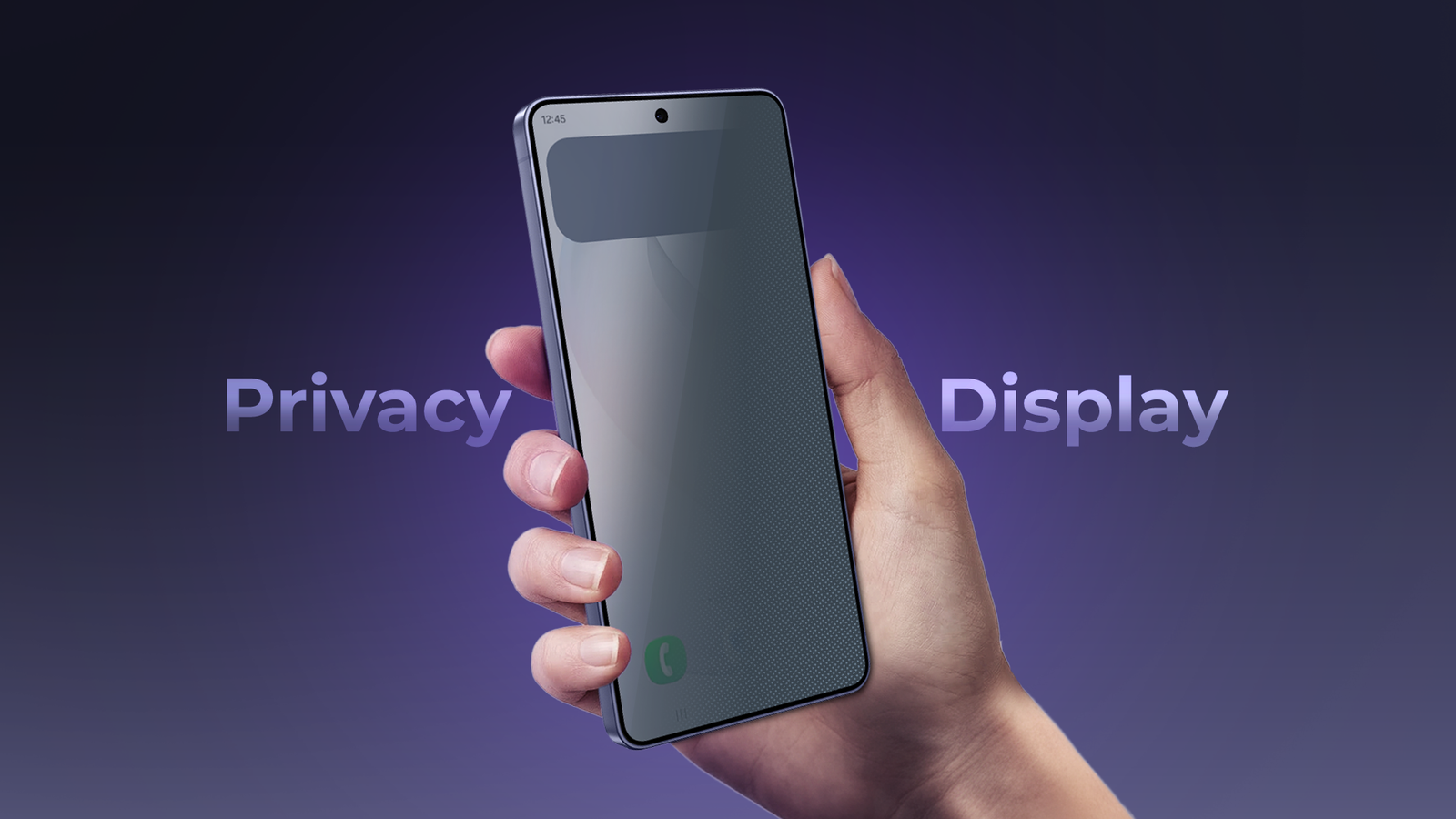
Do you think that phones have become rather boring?
With the exit of LG from the smartphone business in particular, no one really seems to be taking big swings any more other than the folding phone thing, which is only relevant to a tiny percentage of smartphone buyers.
We’ve definitely entered the mature, iterative phase of smartphones as a product category. CPUs, GPUs, and other components get a little better every year, but the only mildly interesting things that happen are gimmicks.
These gimmicks are fun to show off for a week or two, and then you never use them again. Which is why Samsung’s S26 Ultra Privacy Screen feature is such a breath of fresh air.

I reviewed the Samsung Galaxy S26 Ultra, and it’s so much better than all the drama
Yes, we address the drama and broken promises, but the phone takes center stage
A genuinely useful hardware feature
A surprise, to be sure, but a pleasant one
The Privacy Display technology in the S26 Ultra is genuinely smart.
We all have things on our phone screens that we’d prefer other people don’t see. Your bank account, the message your spouse just sent you, the unfortunate and inappropriate picture your mom or dad just messaged to you — that should stay private.

In a nutshell, what Samsung has done is give half of the pixels in the S26 Ultra screen a very narrow viewing angle.
To make the screen contents invisible from an off-axis viewpoint, it simply switches off the wide-angle pixels, leaving only those narrowly-focused pixels active.
This does halve the resolution and diminish the brightness of the screen, so it’s not a feature you want on all the time, but it’s genuinely useful.
The real power feature here is that you can make it selective. So, for example, you can activate it only for certain sensitive apps.
Best of all, you can turn it on for pop-up notifications, so that only the notification itself is private.
It’s rare these days for a new feature to be this refreshing, and that brings up a few other areas where smartphone makers could spend a little of that R&D time.
Batteries are the last thing holding phones back
Though, is it in the phone maker’s interest?

Our phones are now so powerful, so well-featured, and so robust that, in most cases, the only reason to replace the phone is a worn-out battery.
In many cases, you can get an official battery replacement, and it’s probably much more affordable than you think.
It might not make sense financially for a $300 to $500 mid-range phone, but if you’re rocking a $1,000 and up flagship, paying $100 for a new battery is well worth it.
Even software support is no impediment anymore. As an example, my S25 Ultra is good all the way to 2032 when it comes to software updates, but the battery will almost certainly need replacement before then.
What we need are batteries that wear out more slowly. We don’t need more capacity, most phones will now get you through a full day without needing a charge.
Which is why new silicon carbon batteries are divisive. They offer better performance and capacity, but there are serious questions about durability.
What I’d like to see is a phone manufacturer come out with a battery that’s rated for the same lifespan as the software update lifecycle. Turning phones into devices we only upgrade every six or more years.
Sunlight-readable screens please
They’ve tried and failed

Contrary to popular belief, sometimes we do go outside, which is when you realize that it’s almost impossible to see anything on your phone’s screen in direct sunlight.
The main way manufacturers have been trying to combat this is by pushing the peak brightness of phone screens ever higher, but trying to beat the sun in a brightness competition seems like a fool’s game.
There have been attempts at transflective and reflective LCD screens, and E Ink is getting closer to competing with other screen technologies.
Still, this is a problem we haven’t cracked yet.
Some phones like the TCL 50 XE NXTPAPER are trying something new in the screen readability department, but we’d like to see a real revolution here without sacrificing the state of the best screens today.


6.5/10
- SoC
-
MediaTek MT6835
- Display dimensions
-
6.56″
The wishlist is a long one
Please check these off the list
Better batteries and screens are just the tip of the iceberg.
Instead of gimmick features, we’d love to see phones that have no camera bump.
The phone is only as “thin” as its thickest part, so you might as well make the rest of the body flush with the cameras and use that extra space for more battery, or better cooling.
While we’re wishing for things, what about phone speakers that are the sonic equivalent of Privacy Display?
With a narrower focus making the volume lower for those off to the side? What about some physical switches to disable the webcam and microphones?
Our phones are good enough, so now is the time to focus on making them more useful. Not just faster or with more megapixels in the cameras.
Lateral thinking combined with a focus on actual pain points is a better mindset, and Samsung’s shown the way here.

8/10
- SoC
-
Qualcomm Snapdragon 8 Elite Gen 5
- RAM
-
12GB / 16GB
- Storage
-
256GB / 512GB / 1TB
- Battery
-
5,000mAh
The Samsung Galaxy S26 Ultra has a world-first new feature called the Privacy Display, which hides the phone screen from prying eyes. The phone is lighter, thinner, and more powerful than its predecessor.
