
Close Menu
    Facebook X (Twitter) Instagram
    Wifi PortalWifi Portal
    • Blogging
    • SEO & Digital Marketing
    • WiFi / Internet & Networking
    • Cybersecurity
    • Tech Tools & Mobile / Apps
    • Privacy & Online Earning
    Facebook X (Twitter) Instagram
    Wifi PortalWifi Portal
    Home»Cybersecurity»Storm-2561 Spreads Trojan VPN Clients via SEO Poisoning to Steal Credentials
    Cybersecurity

    Storm-2561 Spreads Trojan VPN Clients via SEO Poisoning to Steal Credentials

    adminBy adminMarch 14, 2026No Comments3 Mins Read
    Facebook Twitter LinkedIn Telegram Pinterest Tumblr Reddit WhatsApp Email
    Storm-2561 Spreads Trojan VPN Clients via SEO Poisoning to Steal Credentials
    Share
    Facebook Twitter LinkedIn Pinterest Email

    Ravie LakshmananMar 13, 2026VPN Security / Malware

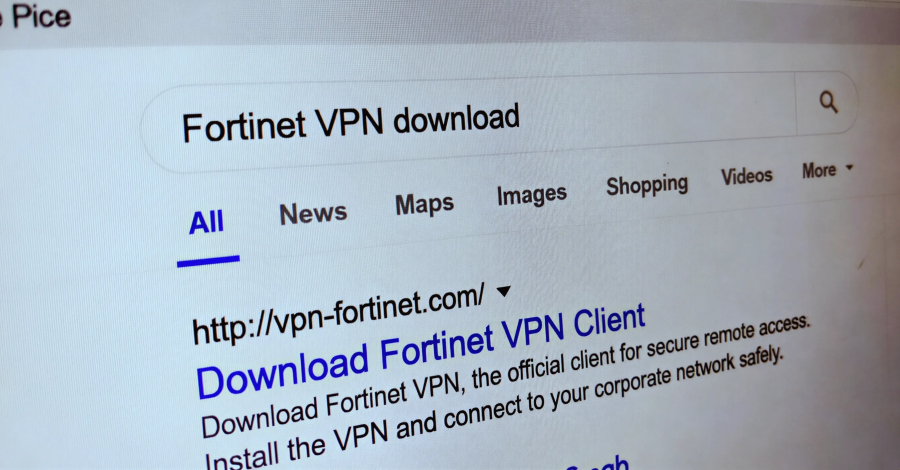
    Microsoft has disclosed details of a credential theft campaign that employs fake virtual private network (VPN) clients distributed through search engine optimization (SEO) poisoning techniques.

    “The campaign redirects users searching for legitimate enterprise software to malicious ZIP files on attacker-controlled websites to deploy digitally signed trojans that masquerade as trusted VPN clients while harvesting VPN credentials,” the Microsoft Threat Intelligence and Microsoft Defender Experts teams said.

    The Windows maker, which observed the activity in mid-January 2026, has attributed it to Storm-2561, a threat activity cluster known for propagating malware through SEO poisoning and impersonating popular software vendors since May 2025.

    The threat actor’s campaigns were first documented by Cyjax, highlighting the use of SEO poisoning to redirect users searching for software programs from companies like SonicWall, Hanwha Vision, and Pulse Secure (now Ivanti Secure Access) on Bing to fake sites and trick them into downloading MSI installers that deploy the Bumblebee loader.

    A subsequent iteration of the attack was disclosed by Zscaler in October 2025. The campaign was observed taking advantage of users searching for legitimate software on Bing to propagate a trojanized Ivanti Pulse Secure VPN client via bogus websites (“ivanti-vpn[.]org”) that ultimately stole VPN credentials from the victim’s machine.

    Microsoft said the activity highlights how threat actors exploit trust in search engine rankings and software branding as a social engineering tactic to steal data from users looking for enterprise VPN software. Compounding matters is the abuse of trusted platforms like GitHub to host the installer files.

    Specifically, the GitHub repository hosts a ZIP file containing an MSI installer file that masquerades as legitimate VPN software, but sideloads malicious DLL files during installation. The end goal, as before, is to collect and exfiltrate VPN credentials using a variant of an information stealer called Hyrax.

    A fake, yet convincing, VPN sign-in dialog is displayed to the user to capture the credentials. Once the information is entered by the victim, they are displayed an error message and are instructed to download the legitimate VPN client this time. In some cases, they are redirected to the legitimate VPN website.

    The malware makes use of the Windows RunOnce registry key to set up persistence, so that it’s executed automatically every time following a system reboot.

    “This campaign exhibits characteristics consistent with financially motivated cybercrime operations employed by Storm-2561,” Microsoft said. “The malicious components are digitally signed by ‘Taiyuan Lihua Near Information Technology Co., Ltd.'”

    The tech giant has since taken down the attacker-controlled GitHub repositories and revoked the legitimate certificate to neutralize the operation.

    To counter such threats, organizations and users are advised to implement multi-factor authentication (MFA) on all accounts, exercise caution when downloading software from websites, and make sure that they are authentic.

    Clients Credentials Poisoning SEO Spreads steal Storm2561 Trojan VPN
    Share. Facebook Twitter Pinterest LinkedIn Tumblr Telegram Email
    Previous Article‘Current’ Fixes My Biggest Issues With RSS Readers
    Next Article New Qualcomm GBL exploit brings bootloader unlocking to flagship Androids
    admin
    • Website

    Related Posts

    Critical HPE AOS-CX Vulnerability Allows Admin Password Resets

    March 14, 2026

    Red Access firewall-native SSE adds GenAI security and browser protection to existing firewalls

    March 14, 2026

    FBI seeks victims of Steam games used to spread malware

    March 14, 2026
    Add A Comment
    Leave A Reply Cancel Reply

    Search Blog
    About
    About

    At WifiPortal.tech, we share simple, easy-to-follow guides on cybersecurity, online privacy, and digital opportunities. Our goal is to help everyday users browse safely, protect personal data, and explore smart ways to earn online. Whether you’re new to the digital world or looking to strengthen your online knowledge, our content is here to keep you informed and secure.

    Trending Blogs

    Critical HPE AOS-CX Vulnerability Allows Admin Password Resets

    March 14, 2026

    Only 15% of pages retrieved by ChatGPT appear in final answers: Report

    March 14, 2026

    Google Messages is better than ever, but it still leaves me frustrated

    March 14, 2026

    New Qualcomm GBL exploit brings bootloader unlocking to flagship Androids

    March 14, 2026
    Categories
    • Blogging (40)
    • Cybersecurity (771)
    • Privacy & Online Earning (120)
    • SEO & Digital Marketing (485)
    • Tech Tools & Mobile / Apps (943)
    • WiFi / Internet & Networking (129)

    Subscribe to Updates

    Stay updated with the latest tips on cybersecurity, online privacy, and digital opportunities straight to your inbox.

    WifiPortal.tech is a blogging platform focused on cybersecurity, online privacy, and digital opportunities. We share easy-to-follow guides, tips, and resources to help you stay safe online and explore new ways of working in the digital world.

    Our Picks

    Critical HPE AOS-CX Vulnerability Allows Admin Password Resets

    March 14, 2026

    Only 15% of pages retrieved by ChatGPT appear in final answers: Report

    March 14, 2026

    Google Messages is better than ever, but it still leaves me frustrated

    March 14, 2026
    Most Popular
    • Critical HPE AOS-CX Vulnerability Allows Admin Password Resets
    • Only 15% of pages retrieved by ChatGPT appear in final answers: Report
    • Google Messages is better than ever, but it still leaves me frustrated
    • New Qualcomm GBL exploit brings bootloader unlocking to flagship Androids
    • Storm-2561 Spreads Trojan VPN Clients via SEO Poisoning to Steal Credentials
    • ‘Current’ Fixes My Biggest Issues With RSS Readers
    • Red Access firewall-native SSE adds GenAI security and browser protection to existing firewalls
    • FBI seeks victims of Steam games used to spread malware
    © 2026 WifiPortal.tech. Designed by WifiPortal.tech.
    • Home
    • About Us
    • Contact Us
    • Privacy Policy
    • Terms and Conditions
    • Disclaimer

    Type above and press Enter to search. Press Esc to cancel.