Following last year’s content marketing playbook won’t cut it in 2026.
AI is evolving how we create, but human connection still drives what performs. Search behavior is splintering across platforms, and brands are being judged not just on what they publish but also on how it shows up.
To win this year, marketing pros need to be smarter about what they’re doing. That means your content must be rooted in real insights about how people actually buy from your brand.
This complete guide to content marketing breaks down what’s changing, what’s working, and where to focus your time and budget. If you’re serious about growing through content in 2026, you need to understand the shifts shaping the space.
Key Takeaways
- AI should speed up execution, not replace strategy. Use it to draft and repurpose content, but rely on human perspective and editing to determine performance.
- Content that feels human outperforms content that feels polished. Audiences respond to authentic opinions and usefulness versus brand-safe, committee-written copy.
- Thought leadership now requires original insight. Repackaging what already ranks won’t build authority; bold takes, experienced authors, and first party data will. First party/proprietary data also helps your content be more original and unique.
- Distribution is half the strategy. Content needs a plan for where and how it gets discovered across platforms, not just published on a blog.
- Measure influence, not output. The content that matters most is what changes thinking and earns trust, not what fills a calendar.
AI Can Help You Scale but It Can’t Think for You
Your competitors may already be creating AI content, but I want you to understand how to create better AI content.
AI is great for maximizing your efficiency. It can drastically cut the time you spend on mundane content marketing tasks like researching and building outlines. It can even save you time by helping you repurpose old content into new formats. That kind of scale used to take teams. Now, all it takes is prompts.
But don’t mistake speed for strategy.
AI doesn’t know your customer. It doesn’t understand your brand’s voice or point of view—the elements of your brand or product that actually matter to people. Introducing those elements and ensuring they stay intact is on you.
Use AI to take the grunt work off your plate (i.e., building drafts or summarizing competitor content). But when it comes to telling your story, positioning your offer, or crafting something people want to read and share, human judgment still wins.
You can feel the difference between templated, AI-written content and something with a real perspective. So can your audience. If your content feels robotic or generic, they’re gone. No one shares or converts from content that reads like it came off an assembly line.
So yes, use AI. Just don’t hand it the keys to your content strategy. If you’re not putting in the human effort to edit and elevate what comes out, you’re just publishing noise.
Content Must Feel More Human, Not More Polished
People are tired of content that sounds like it was written by a committee.
You know the type: no strong opinions and so sanitized it could’ve come from any brand in your space. It’s forgettable. This year, forgettable doesn’t work.
Your audience doesn’t want another corporate how-to. They want to hear from someone who gets it. Someone who’s been in their shoes and isn’t afraid to say what actually works—and what doesn’t.
That doesn’t mean being sloppy. It means being real.
Ditch the fluff. Cut the clichés. Talk like a smart peer, not a brand trying to tick SEO boxes. Share what you’ve learned and what surprised you. That’s what builds trust. That’s what gets people to read and come back.

Slite’s piece on “people first” only going so far for parents is a great example. The post comes from a parent on their team, immediately creating expertise on the subject. There’s no promotional content anywhere in the blog, and the focus is on entertaining and educating the readers.
Let me pause a second here and make something clear: authentic doesn’t mean unedited. It means intentional. Sure, edit your pieces for grammar and structure, but don’t sand down the voice. Let the human fingerprints show.
In a world of AI-generated everything, human content stands out, not by being perfect, but by being authentically helpful and worth someone’s time.
Thought Leadership Requires Saying Something New
You don’t become a thought leader by echoing what everyone else is already saying.
Too many blogs and LinkedIn posts are just rewrites of what’s already ranking. They quote the same stats and land on the same safe conclusions. That’s not thought leadership, that’s content recycling.
You need to bring something new to the table if you want people to see you as an authority. That could mean sharing a bold opinion others won’t say out loud. It could be a unique framework you’ve developed through real experience. Or it might be calling out what isn’t working anymore, even if it used to.
Google’s EEAT principles—experience, expertise, authority, and trustworthiness—favor exactly this kind of content. You’re not just writing for algorithms anymore. You’re writing to earn trust from real people and search engines. Along with this, the style of throwing anonymous blog posts out into the aether isn’t going to cut it either. Adding named authors with credentials to your blog posts is essential for EEAT.
Brand Voice Is a Strategic Asset
AI can write. So can your competitors. Sticking to your unique voice is what’s going to set you apart.
In a sea of content that all sounds the same, brand voice is what makes people recognize you, even without seeing your logo. It’s more than tone or personality. It’s how you show up. And in 2026, it’s one of your biggest strategic advantages.
The best brands sound human. Clear and consistent across platforms—no matter if it’s a blog post, a LinkedIn comment, or a product page. That consistency builds trust and, over time, creates familiarity, which then leads to trust and loyalty—two essential elements of marketing to customers on the modern playing field.
Innocent Drinks is a British brand that’s a great example of a unique tone and voice. They keep customer interactions fun with cheeky British humor and self-deprecating jokes. The laid-back, conversational tone presents their smoothie drinks amidst daily jokes, weather updates, and more that keep their customers coming back.

Source: https://iconicfox.com.au/brand-voice-examples/
But the catch is: you have to guard your brand voice with your life.
Well, maybe it’s not that drastic. But you at least have to define it, teach your writers how to use it, and maybe most importantly, defend it—especially when AI starts diluting it with generic phrasing or over-polished outputs.
Think of brand voice like a design system. It should guide every piece of content you publish. The goal isn’t to sound perfect. The goal is to sound unmistakably like you across formats, channels, and teams.
When everything else feels copy-pasted, your voice is what makes people stop scrolling and actually listen.
Video Isn’t Optional in a Content Strategy
If video still feels like “bonus content” to your team, you’re already behind.
Video—short and long-form—is now a core part of how people discover and share information. It’s not just for YouTube or TikTok anymore. It belongs in your blog strategy, your LinkedIn posts, your email sequences, and even your whitepapers. YouTube has risen to be the #2 largest search engine as well as a top source for Google Gemini.
The smartest content teams don’t treat video as a separate effort. They treat it as an extension of what they’re already creating.
Wrote a blog post that’s performing well? Turn it into a 60-second explainer for Instagram. Got a data-packed whitepaper? Break it into a mini-series of clips or animated infographics. Publishing a thought leadership piece? Record a quick POV video that puts a face (and voice) to the ideas.
Here’s an example from my Instagram:’
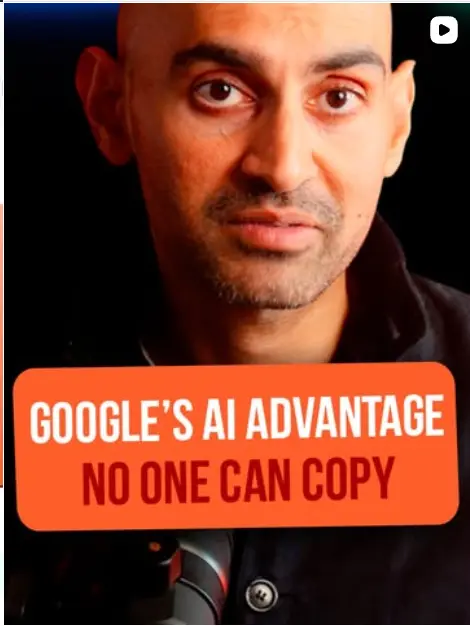
This isn’t about adding more work. It’s about getting more mileage from what you’ve already built.
People scroll past walls of text. But they’ll pause for a story or a strong hook in motion. Video improves retention and makes your message stick.
In 2026, you should be including video in your strategy from the start.
Distribution Is Just as Important as Creation
If you’re not planning for distribution, you may just be publishing into the void.
Too many marketers hit “publish” and hope for traffic. But in 2026, the real game happens after the content goes live. Distribution is half the strategy.
Every piece you create should have a plan for where it lives and how it spreads. That could mean breaking your blog post into a X thread or syndicating it as a native article on LinkedIn or Medium.
And don’t underestimate the power of partnerships. Influencers, creators, and subject matter experts can extend your reach with the right angle and format.
This is where Search Everywhere Optimization becomes essential. People aren’t just searching on Google anymore. They’re searching across all the major social media platforms, LLMs like Chat GPT and Perplexity, and e-commerce sites like Amazon. You need to meet them where they are, in the format they prefer.
Good content doesn’t go viral by luck. It travels because someone planned the route.
So before you write your next post, ask yourself: how will people actually find this? If you don’t have a solid answer, you’re not done yet.
Content Must Map to the Buyer Journey, Not Just the Funnel
A customer’s actual buying journey is moving away from the classic funnel we all know and love. The funnel itself isn’t changing, but where people go along the funnel is changing. People can shop in ChatGPT, meaning they can follow the entire funnel without ever leaving an LLM.
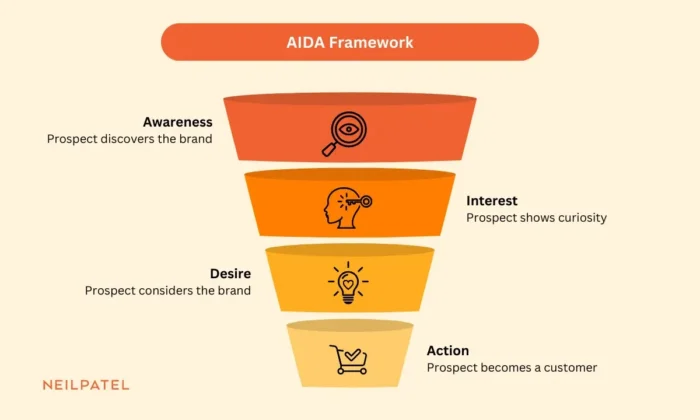
Real decision-making is messy. People bounce between tabs, skim reviews, watch videos, compare products, and ask peers for input—all before ever booking a demo or hitting “buy.” If your content only speaks to top-of-funnel traffic, you’re leaving serious revenue on the table.
Modern content strategy needs to follow the buyer wherever they go, not just the funnel stages.
That means going beyond how-to posts and SEO guides. You need content that helps buyers decide. Product comparisons. Honest breakdowns of pricing and features. Content that tackles objections head-on. Even onboarding previews and post-purchase FAQs count. They reduce friction and increase trust. This method is useful for appearing in LLMs as we.
Not only does this kind of content help convert, but it also ranks. Buyers search for “[Product A] vs [Product B],” “Is [Brand] worth it?”, and “How hard is it to implement [Tool]?” If you’re not showing up there, your competitor will.
So build for real behavior, not static funnels. Meet your buyer where they are—digging deep into research and looking for clarity before they buy.
Refreshing Existing Content Beats Churning Out New Posts
More content doesn’t always mean more results.
If you’re constantly creating from scratch but ignoring your old posts, you’re missing one of the easiest wins in content marketing: updates.
Refreshing content isn’t just minor changes; it’s making your best-performing or best-potential content even stronger. That could mean improving the structure, adding internal links, expanding thin sections, or aligning it with new search intent.
And it works. Updated content often ranks faster and converts better because it already has history and positive social signals, like backlinks. Google rewards freshness, but it also loves authority.
Instead of publishing five new blog posts next month, what if you refreshed five that are slipping in rankings? Or turned an old listicle into a detailed comparison guide? That’s not less work, it’s smarter work.
Start by running a quick content audit. Identify top traffic drivers and declining or outdated post topics. From there, prioritize updates that align with current search demand and business goals.
New content still matters, but refreshing what you already built often delivers a faster, more predictable ROI. Don’t start from zero when there’s gold in your archives.
User-Generated Content Builds Credibility and Community
Positive product recommendations, reviews, and stories from your customer base are gold for social proof.
That’s the power of user-generated content (UGC). Testimonials and stories or spotlights can build trust faster than anything you write yourself. They’re authentic social proof, and one of the most underused levers in content strategy.
Coca-Cola’s Share a Coke campaign is a great example of this. The company rolled out product with some of the most popular first names on each can or small bottle. Store displays encouraged shoppers to find a can with their name on it, take a picture, and post to social media with the caption “#shareacoke”. The result was social media feeds flooded with posts just like this:

UGC is such a powerful strategy because it reduces your content lift while increasing credibility. Instead of creating everything from scratch, you’re curating voices from your community. A five-minute video from a happy customer or a LinkedIn post from an employee can do more than a polished landing page.
So how do you get it? Ask. Prompt your audience to share their experiences. Feature real users in your blog posts or newsletters. Turn customer feedback into quote graphics or build case studies around standout use cases.
This strategy really gets powerful when you turn it into a system. Create UGC submission forms. Add review prompts to your post-purchase emails. Encourage your team to share behind-the-scenes stories on social.
The more people see themselves in your brand, the more they want to be part of it. UGC turns customers into advocates, and that’s content you can’t fake.
Measurement Is Moving to Influence, Not Just Output
Content volume used to be the metric. How many blogs did we publish? How many posts went live?
Now, it’s about impact.
Smart teams aren’t asking, “How much did we ship?” They’re asking, “What moved the needle?” That means tracking content that supports real business goals, not just filling up a calendar.
Engagement quality matters more than vanity metrics. Are people sharing or talking about it? Did it convert to revenue or reduce friction in the sales process? That’s the kind of content worth doubling down on.
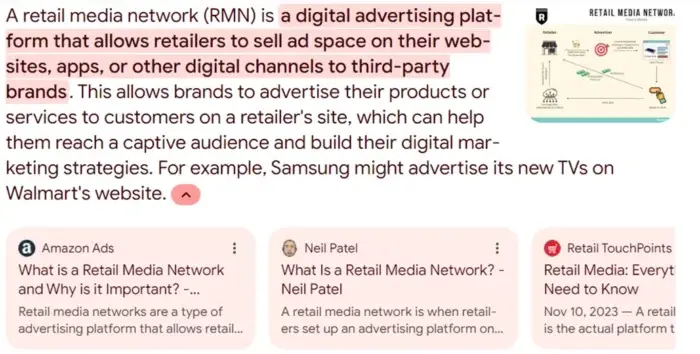
Brand lift and even SEO performance are shifting, too. With AI Overviews reshaping how content appears in search, your content marketing performance hinges on owning the conversation through citations that strengthen brand trust.
Writers play a huge role here. When your content solves a real problem or answers a specific question better than anyone else, it sticks. That influence compounds.
So shift your mindset. Don’t just create content that gets clicks. Create content that changes people’s thinking or provides new insights. That’s the metric that matters now.
FAQs
What is the future of content marketing?
Content in 2026 is shifting toward authenticity. Brands are focusing on aspects like voice and distribution over volume. Repurposing across channels, creating content with real perspective, and measuring influence over output are now core strategies. The new goal is content that actually earns trust and drives action.
Conclusion
Creating a winning content marketing strategy in 2026 will certainly look different. The smart use of AI to scale instead of substitute, while still leaning on human editing and content elevation, will be a huge brand separator. You and your team can do that effectively by building a voice people recognize, creating content that feels human, and aligning it all to authentic buyer journeys and behaviors.
You don’t need to chase every trend. Focus on strategy, quality, and distribution that drives results.
Because in a world full of content, the only stuff that stands out is the kind that actually matters.

See How My Agency Can Drive More Traffic to Your Website
- SEO – unlock more SEO traffic. See real results.
- Content Marketing – our team creates epic content that will get shared, get links, and attract traffic.
- Paid Media – effective paid strategies with clear ROI.
Book a Call
Are You Using Google Ads? Try Our FREE Ads Grader!
Stop wasting money and unlock the hidden potential of your advertising.
- Discover the power of intentional advertising.
- Reach your ideal target audience.
- Maximize ad spend efficiency.