


 Downloading audio and video from YouTube is generally not allowed, which the video streaming service clearly states in its terms of service.
Despite this explicit restriction, there are numerous ‘stream-ripping’ and “YouTube downloader” tools available on the web that do just that.
These ripping tools can be used to convert YouTube music videos into MP3s for example. This is seen as a major problem by the music industry, which has and is taking legal steps in response.
Specifically, music companies argue that using these stream-ripping tools violates the DMCA, as it circumvents YouTube’s copyright protection technology. This ‘rolling cipher’ can be bypassed relatively easily, but it prevents regular users from downloading videos from YouTube directly.
Creator vs. Creator
The ‘rolling cipher’ accusations are not limited to the music industry. They can also be used in other contexts, including a creator vs. creator battle. This is the case in Cordova v. Huneault, which revolved around the legality of “reaction” and “commentary” channels.
The implications could be significant. Reaction and commentary videos have become a massive part of YouTube’s ecosystem, with countless creators building entire channels around responding to, critiquing, or mocking other people’s content.
Many of these creators rely on downloading clips from other channels, often using third-party tools that bypass YouTube’s protections, to incorporate into their videos. While fair use is often cited as a defense, this case suggests that DMCA circumvention liability comes into play, regardless of whether their final use qualifies as fair.
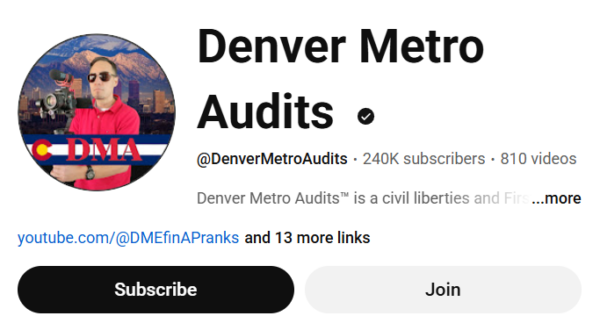
Without going into the nature of the videos, the lawsuit pits Christopher Cordova (Denver Metro Audits) against Jonathan Huneault (Frauditor Troll Channel). Cordova alleged that Huneault didn’t just use his copyrighted footage without permission, but that he also used “ripping” tools to bypass YouTube’s technical protection to get it.
The defense disagreed with this argument and requested dismissal. They argued that, because the videos are publicly viewable on YouTube, there is no “access control” to speak of. Additionally, the defense pointed out that there is no evidence that ripping tools were used, pointing out that the defendant and many others have used screen recording to copy content.

After hearing both sides, U.S. Magistrate Judge Virginia K. DeMarchi denied the motion to dismiss the DMCA circumvention claims, allowing the case to move forward on that claim.
“Mr. Cordova has adequately pled that YouTube applies technological measures, including ‘rolling-cipher technology’ designed to prevent unauthorized downloading, to videos published on its platform that effectively control access to his videos for purposes of § 1201(a).”
“Whether the videos may be viewed by the public is immaterial; the [complaint] refers to technological measures intended to prevent unauthorized downloading,” Judge DeMarchi adds.

Caution: Reaction Channels
While the survival of the §1201 claim may seem like a mere technicality in a case that has yet to be fully litigated, it is rather significant. By accepting that the “rolling cipher” effectively controls access to the downloadable file, the court gives creators who want to sue rivals an option to sue for more than just simple copyright infringement.
For years, reaction creators have operated under the assumption that, if their commentary is fair use, the way they acquired the footage doesn’t matter. However, Judge DeMarchi’s decision suggests otherwise.
Essentially, it means that commentary and reaction channels, which are widespread, face potential liability for DMCA violations if they use ripping tools that bypass YouTube’s protections.
“No Harm, No Foul”?
The legal teams are now sharply divided on what the circumvention claims mean for the case going forward.
In a statement to TorrentFreak, defense lawyer Steven C. Vondran dismisses the circumvention claims as a tactical maneuver that may eventually fall apart, as his client didn’t use a ripping tool. The attorney further argued that, if the “reaction” video of his client is fair use, there is no “injury” or harm.
“If fair use rights apply, and if there is no cognizable injury, then what would be their grounds to have proper standing?” Vondran asked.
“Plaintiff is arguing that Defendant used ripping tools to circumvent YouTube’s content protection technology to obtain video clips,” Vondran told us. “In fact, this was not the case, but it seems anyone can allege this in a lawsuit and be able to go through discovery to see if they can find the use of these tools.”
The defense shifts the focus and counters that the plaintiff has no right to sue in the first place, because there is no harm. Vondran argues that if the final “reaction” video is fair use, then the original creator hasn’t been “injured” just because someone downloaded a clip.
Plaintiff’s attorney Randall S. Newman hit back, telling TorrentFreak that circumventing copy protections under §1201 of the DMCA, is a separate violation that is unaffected by a fair use finding.
“The injury flows from the act of bypassing technological protection measures themselves, not from the outcome of a fair-use defense asserted after the fact,” Newman says, adding that the question of whether a ripping tool was used will be answered during discovery.
While the order of the motion to dismiss is significant, for this case it means little more than that the case can now move ahead to the discovery phase, after which it will be argued on its merits. The allegations that the defendant used ripping tools to download videos will have to be backed up by evidence then.
—
A copy of the order handed down by U.S. Magistrate Judge Virginia K. DeMarchi of the Northern District of California last month is available here (pdf).
